
Ads
Hair Care Science: The 8 Most Effective Ingredients for Strengthening Damaged Hair in 2026 reveals the top scientifically-proven components that restore hair integrity, reduce breakage, and promote stronger, healthier strands.
Ads
Hair Care Science: The 8 Most Effective Ingredients for Strengthening Damaged Hair in 2026 has become a transformative topic for anyone struggling with brittle, fragile strands. Whether your hair has suffered from excessive heat styling, chemical treatments, or environmental damage, understanding which ingredients actually work can mean the difference between ongoing frustration and genuine improvement. The beauty industry has evolved dramatically, and today we have access to ingredients that penetrate deeper, repair more effectively, and deliver longer-lasting results than ever before. This comprehensive guide breaks down each powerful component, explaining exactly how it functions and why it matters for your specific hair concerns.
Understanding Hair Damage: The Science Behind Weakened Strands
Before diving into the ingredients that repair damaged hair, it helps to understand what actually happens when hair becomes compromised. Each hair strand consists of three layers: the cuticle (the outermost protective layer), the cortex (the middle layer containing keratin and pigment), and the medulla (the innermost core). When the cuticle becomes lifted or damaged, the cortex loses its structural integrity, leading to the frizz, breakage, and dullness that many people experience.
Ads
The causes of hair damage are numerous and often overlapping. Chemical processes like coloring, perming, and relaxing literally alter the hair’s protein structure. Heat styling tools operating above 400 degrees Fahrenheit can cause the water inside hair shafts to expand, creating bubbles that weaken the strand from within. Even everyday activities like brushing wet hair, which is particularly vulnerable, can cause significant mechanical damage when done improperly.
Signs Your Hair Needs Strengthening
- Excessive breakage when combing or brushing
- Split ends that appear shortly after trimming
- Hair that feels brittle or straw-like to the touch
- Lack of shine despite using shine-enhancing products
- Reduced elasticity (hair doesn’t bounce back when pulled gently)
Recognizing these signs early allows you to intervene with the right ingredients before damage becomes irreversible. The eight ingredients highlighted in this article target different aspects of hair repair, making them most effective when used together in a comprehensive hair care routine.
1. Keratin: The Foundation of Hair Strength
Keratin represents the single most important protein for hair health, comprising approximately 80-90% of your hair’s total structure. When hair becomes damaged, the keratin bonds break down, leaving strands weak and prone to snapping. Topical keratin applications work by depositing this protein directly onto the hair shaft, filling in gaps where the natural keratin has been depleted.
How Keratin Treatments Work
- Penetrates the hair cuticle to repair internal damage
- Creates a protective layer that smooths the outer surface
- Reduces frizz by up to 70% when used regularly
- Improves combability and reduces breakage during styling
The most effective keratin products in 2026 use hydrolyzed keratin, which breaks the protein into smaller molecules that can actually penetrate the hair shaft rather than simply sitting on the surface. Look for products that specify “hydrolyzed keratin” or “keratin amino acids” for maximum benefit. Regular use, typically over 4-8 weeks, can produce visible improvements in hair strength and texture.
2. Argan Oil: Nature’s Moisture Barrier
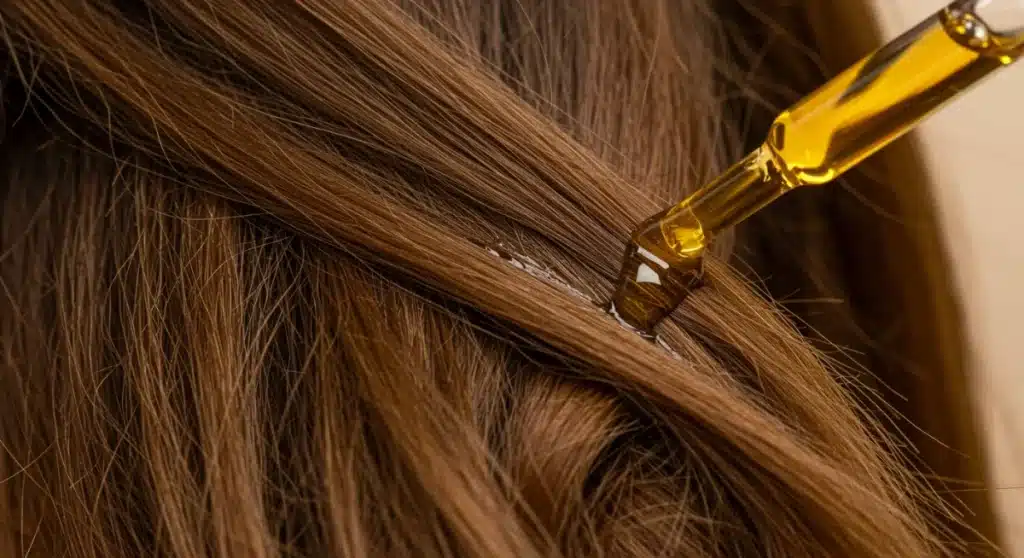
Argan oil, often called “liquid gold” in the beauty industry, has earned its reputation through its exceptional composition of fatty acids, vitamin E, and antioxidants. This oil from the nuts of Moroccan argan trees penetrates deeply into the hair shaft, providing moisture where damaged hair needs it most without leaving a heavy residue.
The unique molecular structure of argan oil allows it to seal the cuticle after each wash, preventing moisture loss and protecting against future damage. For hair that has become porous through chemical or heat damage, this sealing action is particularly valuable. The vitamin E content also provides antioxidant protection against environmental stressors like UV rays and pollution.
Best Practices for Argan Oil Application
- Apply to damp hair, focusing on the mid-lengths and ends
- Use sparingly (a few drops for fine hair, more for thick hair)
- Warm the oil between palms before application for better absorption
- Can be used as an overnight treatment for intensive conditioning
When selecting argan oil products, opt for those that list “100% pure argan oil” or “cold-pressed argan oil” to ensure you’re getting the full spectrum of beneficial compounds. Many products in 2026 now include argan oil in combination with other strengthening ingredients for enhanced results.
3. Biotin: The Vitamin for Hair Growth and Strength
Biotin, also known as vitamin B7 or vitamin H, plays a crucial role in the production of keratin infrastructure within the hair follicle. While biotin deficiency is relatively rare, many people don’t consume enough of this vitamin to support optimal hair health, particularly those who consume raw egg whites regularly (which contain a protein that binds to biotin and prevents its absorption).
Topical biotin applications have shown promising results in strengthening hair from the root. The ingredient works by supporting the cellular activity in the hair follicle, leading to thicker, more resilient hair strands over time. Many hair care formulations now include biotin as a primary ingredient, and clinical studies have demonstrated measurable improvements in hair thickness and reduced shedding with consistent use.
Biotin Combinations That Work
- Biotin + zinc for follicle health support
- Biotin + silica for improved absorption
- Biotin + niacin for enhanced circulation to the scalp
- Biotin + keratin for comprehensive strengthening
For best results, look for biotin concentrations between 0.1% and 1% in topical products. Higher concentrations don’t necessarily translate to better results, and the body can only utilize so much at once. Consistent daily use over several months typically yields the most noticeable improvements.
4. Collagen: Structural Support for Aging Hair
Collagen has emerged as one of the most exciting ingredients for hair repair in recent years, particularly as researchers have better understood its role in maintaining hair follicle health. This protein, which constitutes a major component of the skin and connective tissues, also supports the structures that anchor hair follicles in the scalp.
As we age, our natural collagen production decreases, which can contribute to thinning hair and reduced scalp health. Topical collagen applications in hair care products work in two ways: the collagen molecules provide direct structural support to damaged hair shafts, and the amino acids from broken-down collagen can be utilized by the body for new protein synthesis.
Types of Collagen in Hair Products
- Hydrolyzed collagen (most common, easily absorbed)
- Marine collagen (smaller molecules, deeper penetration)
- Plant-based collagen boosters (stimulate natural production)
- Collagen peptides (amino acid complexes for follicle support)
The most effective collagen hair products in 2026 use hydrolyzed collagen, which has been broken down into smaller peptides that can actually penetrate the hair shaft and scalp. When combined with other strengthening ingredients like keratin and biotin, collagen creates a comprehensive approach to hair restoration.
5. Hyaluronic Acid: Deep Hydration for Damaged Hair
While hyaluronic acid is more commonly associated with skincare, it has proven remarkably effective for hair care as well. This molecule can hold up to 1000 times its weight in water, making it an exceptional hydrating agent for hair that has become dry and brittle through damage.
Damaged hair often suffers from moisture imbalance—the cuticle cannot properly retain water, leading to chronic dryness despite regular conditioning. Hyaluronic acid addresses this by attracting and holding moisture within the hair shaft, plumping each strand and improving its flexibility. More flexible hair is less likely to break when subjected to mechanical stress from styling or brushing.
The key to using hyaluronic acid effectively lies in molecular weight. Low molecular weight hyaluronic acid can penetrate deeper into the hair shaft, while higher molecular weight versions work more on the surface. Many premium hair care products now include multiple molecular weights for comprehensive hydration at all levels of the hair strand.
Incorporating Hyaluronic Acid Into Your Routine
- Use HA-based leave-in conditioners for all-day hydration
- Apply to damp hair after washing for best absorption
- Layer with heavier oils or butters to seal in moisture
- Look for products listing sodium hyaluronate (the salt form) for stability
6. Silk Amino Acids: Smoothing and Protecting
Silk amino acids, derived from silk proteins, offer unique benefits for damaged hair that other ingredients cannot match. These proteins have a remarkably similar structure to human hair keratin, allowing them to integrate seamlessly into damaged areas of the cuticle and cortex.
The film-forming properties of silk amino acids create a protective barrier around each hair strand, smoothing the cuticle and reducing friction during brushing and styling. This protective layer also helps hair retain moisture and protects against environmental damage from humidity, UV rays, and pollution.
What makes silk amino acids particularly valuable is their ability to improve hair’s mechanical properties without weighing it down. Unlike some heavy conditioning ingredients, silk proteins are lightweight and won’t cause the limp, greasy appearance that many people try to avoid. This makes them suitable for all hair types, including fine and thin hair that cannot tolerate heavier conditioning agents.
7. Panthenol: Pro-Vitamin B5 for Hair Repair
Panthenol, also known as pro-vitamin B5, has long been a staple in hair care formulations, and for good reason. When applied topically, panthenol converts to vitamin B5 in the skin and hair, where it supports cellular metabolism and promotes healing at the follicular level.
The humectant properties of panthenol make it particularly valuable for damaged hair. It attracts moisture from the air and holds it within the hair shaft, maintaining optimal hydration levels throughout the day. This moisture-binding action also helps panthenol penetrate deeper into the hair structure, where it can provide genuine repair rather than just surface conditioning.
Panthenol Concentration Guidelines
- 1-2% concentration for daily conditioning products
- 2-5% concentration for intensive treatment products
- Works synergistically with other humectants like glycerin
- Stable in both water-based and oil-based formulations
One of the greatest advantages of panthenol is its versatility. It can be incorporated into shampoos, conditioners, leave-in treatments, and styling products without affecting their performance or stability. This allows for comprehensive daily use that maximizes the ingredient’s benefits.
8. Ceramides: Rebuilding the Lipid Barrier
Ceramides are lipids (fats) that occur naturally in the hair cuticle, where they play a crucial role in maintaining structural integrity and moisture retention. When hair undergoes chemical processing or environmental damage, these ceramides are depleted, leading to increased porosity and vulnerability to further damage.
Topical ceramides in hair care products work by replacing the lost lipids, essentially rebuilding the protective barrier that keeps moisture in and damaging agents out. This restoration of the lipid layer is particularly important for hair that has been repeatedly colored or chemically treated, as these processes strip away natural ceramides along with other structural components.
The molecular structure of ceramides allows them to integrate between the cuticle cells, creating a cement-like effect that holds the cuticle flat and smooth. This not only improves the hair’s appearance but also reduces breakage and tangling. Many high-quality hair care lines now include ceramides as a primary ingredient for damaged hair repair.
Choosing Ceramide Products
- Look for “ceramide NP” or “ceramide 3” on ingredient lists
- Products with multiple ceramide types offer broader benefits
- Combine with cholesterol for optimal integration into hair structure
- Best results when used consistently over 6-8 weeks
| Key Ingredient | Primary Benefit |
|---|---|
| Keratin | Repairs internal hair structure and fills gaps in damaged cuticles |
| Argan Oil | Provides deep moisture and seals cuticles to prevent water loss |
| Biotin | Supports keratin production and improves follicle health |
| Ceramides | Rebuilds lipid barrier and protects against future damage |
Frequently Asked Questions
Most users notice initial improvements within 2-4 weeks of consistent use, including reduced breakage and improved shine. However, significant structural repair typically requires 8-12 weeks of daily application. The timeline varies based on the extent of damage and individual hair characteristics, with more damaged hair requiring longer treatment periods to achieve optimal results.
Yes, you can combine these ingredients, and doing so often produces better results than using single ingredients. Many modern hair care products already contain multiple strengthening ingredients. When building your routine, look for products that combine complementary ingredients like keratin with ceramides or biotin with collagen. Using too many heavy products simultaneously may weigh down fine hair, so adjust the number of products based on your hair type and density.
All eight ingredients discussed are generally safe for color-treated hair and can actually help preserve color by maintaining cuticle health. Keratin and ceramides are particularly beneficial as they help seal the cuticle, preventing color molecules from washing out. However, avoid products with high pH levels or harsh sulfates, as these can strip color. Always check product labels for color-safe certifications and consider consulting your colorist for specific recommendations.
Protein treatments (containing keratin, collagen, or silk amino acids) repair the hair’s structural integrity by replacing lost proteins, making them ideal for chemically or mechanically damaged hair. Moisture treatments (containing hyaluronic acid, argan oil, or panthenol) focus on hydrating the hair shaft and maintaining moisture balance. Both are essential, and the best routines alternate between them. Overusing protein treatments can make hair stiff and brittle, while overusing moisture treatments can leave hair limp and soft.
Both professional and drugstore products can be effective, and the key differentiator is often ingredient quality and concentration rather than price alone. Many drugstore brands now include these eight ingredients in their formulations. Professional products typically use higher-quality ingredient sources and more sophisticated delivery systems, but quality varies across both categories. Look for products that list specific ingredients (like “hydrolyzed keratin” rather than just “keratin”) and check third-party testing certifications when possible.
Conclusion
Understanding Hair Care Science: The 8 Most Effective Ingredients for Strengthening Damaged Hair in 2026 empowers you to make informed choices about your hair care routine. Each ingredient—keratin, argan oil, biotin, collagen, hyaluronic acid, silk amino acids, panthenol, and ceramides—offers unique benefits that address different aspects of hair damage. The most effective approach combines several of these ingredients in a consistent routine, allowing them to work synergistically toward restoring your hair’s strength, shine, and overall health. Remember that genuine hair repair takes time; be patient with the process and consistent with your product use, and you’ll likely see meaningful improvements within a few months. Your hair’s recovery is not just about aesthetics—it’s about investing in the long-term health of your strands so they remain strong and beautiful for years to come.
