Layering Skincare for Winter: US Hydration Guide 2026
Ads
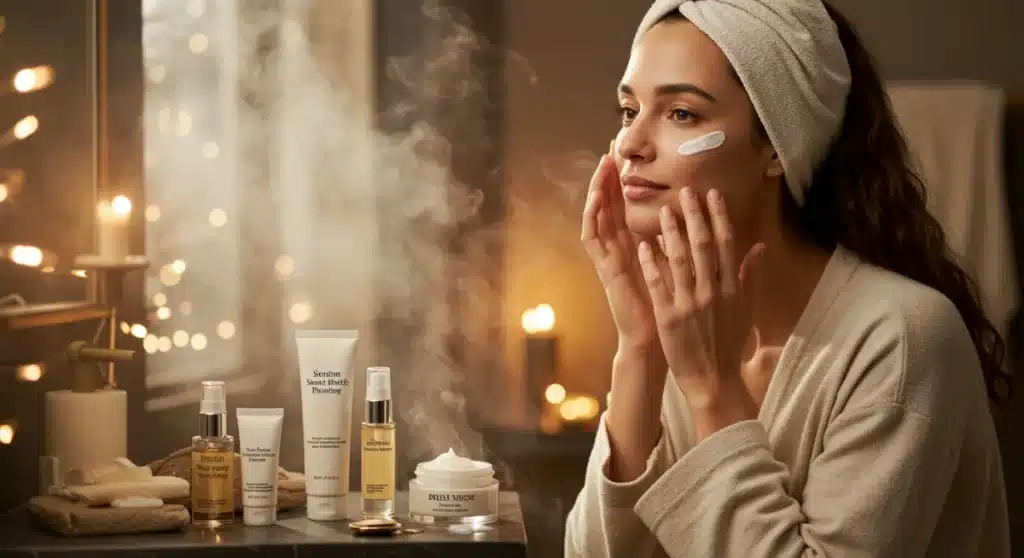
The Complete Guide to Layering Skincare Products for Maximum Hydration This Winter in the US (2026) provides essential strategies for combating dry skin by strategically applying multiple products to lock in moisture during the colder months.
As the temperatures drop across the United States, our skin often faces its harshest challenge: extreme dryness. The biting winds, low humidity, and indoor heating conspire to strip away essential moisture, leaving skin feeling tight, flaky, and uncomfortable. This is where The Complete Guide to Layering Skincare Products for Maximum Hydration This Winter in the US (2026) becomes your indispensable resource. Understanding how to properly layer your skincare products isn’t just a trend; it’s a fundamental technique to ensure each product works synergistically, maximizing its benefits and providing your skin with the deepest possible hydration and protection against the elements.
Understanding the science of layering for winter skin
Layering skincare isn’t merely about applying one product after another; it’s a strategic process rooted in understanding product formulations and how they interact with your skin. In winter, this becomes even more critical as your skin’s natural barrier is compromised, making it susceptible to moisture loss. The goal is to build a protective shield that not only delivers hydration but also prevents its evaporation throughout the day and night.
The science behind effective layering hinges on the principle of molecular weight and viscosity. Lighter, water-based products with smaller molecules, such as toners and serums, should be applied first as they can penetrate the skin more readily. Heavier, oil-based products and emollients, like moisturizers and facial oils, create an occlusive layer that seals in the hydration from previous steps. This approach ensures that active ingredients are absorbed efficiently and that moisture is locked in, providing sustained relief from winter dryness.
The importance of product order
Applying products in the correct sequence is paramount. Imagine trying to hydrate a sponge with a thick cream before a lighter serum; the cream would block the serum’s absorption. The same applies to your skin. A proper layering sequence ensures that each product can perform its intended function without hindrance.
- Cleanser: Always start with a gentle, hydrating cleanser to remove impurities without stripping natural oils.
- Toner: Balances skin pH and prepares it for subsequent product absorption.
- Serums/Essences: Deliver concentrated active ingredients deep into the skin.
- Eye cream: Addresses the delicate skin around the eyes.
- Moisturizer: Provides a barrier to seal in hydration and nourish the skin.
- Facial oil: Offers an extra layer of occlusion, especially beneficial in very dry conditions.
- SPF (daytime): Crucial even in winter to protect against UV radiation.
By adhering to this order, you create an optimal environment for your skin to absorb and retain moisture, effectively combating the harsh effects of winter. Each layer builds upon the last, culminating in a well-hydrated and protected complexion.
Essential hydration heroes for US winter 2026
Navigating the vast landscape of skincare products can be daunting, but for maximum hydration during the US winter of 2026, certain ingredients and product types stand out as true heroes. These formulations are specifically designed to replenish lost moisture, strengthen the skin barrier, and provide lasting comfort in cold, dry conditions. Incorporating these into your routine is a non-negotiable step for supple, healthy skin.
Look for products rich in humectants, emollients, and occlusives. Humectants like hyaluronic acid and glycerin draw moisture from the air and deeper skin layers to the surface. Emollients, such as ceramides and fatty acids, fill in the gaps between skin cells, smoothing and softening the skin. Occlusives, including petrolatum, lanolin, and shea butter, create a physical barrier on the skin’s surface to prevent water loss. A balanced approach using products with these key components will yield the best results.
Top ingredients to seek out
When shopping for winter skincare, prioritize formulations that feature these powerhouses:
- Hyaluronic acid: A potent humectant capable of holding up to 1,000 times its weight in water, drawing moisture into the skin.
- Glycerin: Another excellent humectant that helps to hydrate and protect the skin barrier.
- Ceramides: Essential lipids that make up a significant portion of the skin barrier, crucial for preventing moisture loss.
- Squalane: A lightweight, non-comedogenic oil that mimics the skin’s natural oils, offering deep hydration and barrier support.
- Shea butter: A rich emollient and occlusive that deeply moisturizes and protects.
- Urea: A natural moisturizing factor that offers both hydration and gentle exfoliation, improving skin texture.
These ingredients work together to provide comprehensive hydration, addressing dryness at multiple levels. From attracting moisture to sealing it in, they form the backbone of an effective winter skincare regimen. Don’t underestimate the power of a well-formulated product that incorporates several of these elements.
Crafting your morning winter hydration routine
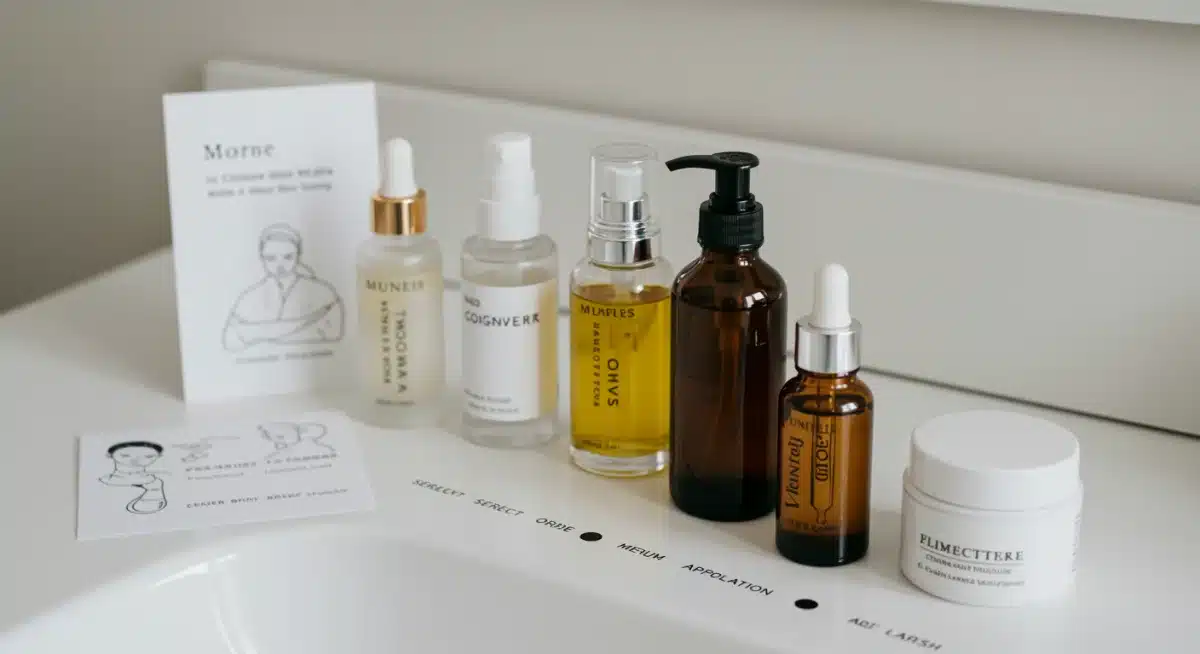
The morning routine sets the stage for your skin’s hydration and protection throughout the day, especially when facing the harsh conditions of a US winter. A well-constructed morning regimen focuses on delivering immediate moisture, creating a strong barrier against environmental aggressors, and providing essential sun protection. Each step is designed to build upon the last, ensuring your skin remains comfortable and radiant despite the cold.
Begin with a gentle cleanse to remove any overnight buildup without stripping your skin. Follow with a hydrating toner to rebalance and prepare your skin for absorption. The core of your morning routine will involve a potent hydrating serum, a rich moisturizer, and crucially, a broad-spectrum SPF. Even on cloudy winter days, UV radiation can cause damage, making sunscreen a year-round essential. Prioritize products that feel comfortable and provide a lasting sense of moisture.
Step-by-step morning layering
Adhering to a specific order maximizes product efficacy:
- Gentle cleanser: Use a cream or oil-based cleanser to avoid stripping.
- Hydrating toner: Pat on a toner rich in humectants like hyaluronic acid or glycerin.
- Antioxidant serum: Apply a vitamin C or E serum to protect against environmental damage.
- Hydrating serum: Follow with a hyaluronic acid serum to draw in moisture.
- Eye cream: Gently dab a rich eye cream around the delicate eye area.
- Moisturizer: Apply a thick, emollient-rich moisturizer to seal everything in.
- SPF 30+: Finish with a broad-spectrum sunscreen, even if you’re staying indoors.
This sequence ensures that active ingredients penetrate effectively and that hydration is locked in, providing a robust defense against winter’s drying effects. Consistency is key; make this routine a daily ritual for optimal results.
The ultimate evening repair and hydration ritual
While your morning routine focuses on protection, the evening is dedicated to intensive repair and deep hydration. During the night, your skin goes into repair mode, making it the perfect time to flood it with nourishing ingredients that can work undisturbed for hours. The ultimate evening ritual for US winter 2026 aims to replenish lost moisture, soothe irritation, and strengthen the skin’s natural barrier, ensuring you wake up with a plump, revitalized complexion.
The evening routine often involves slightly richer textures and more targeted treatments. After a thorough double cleanse to remove makeup and impurities, focus on layering hydrating essences, treatment serums, and a substantial night cream or sleeping mask. Incorporating a facial oil can provide an extra boost of nourishment and occlusion, especially for very dry skin types. This dedicated repair time is crucial for reversing the day’s environmental damage and preparing your skin for the next day’s challenges.
Nighttime layering for deep nourishment
Maximize your skin’s overnight recovery with this layering order:
- Oil cleanser: Dissolves makeup and SPF.
- Water-based cleanser: Removes remaining impurities.
- Exfoliating toner (2-3 times/week): Aids cell turnover and product absorption.
- Hydrating essence/toner: Preps skin and adds a layer of moisture.
- Treatment serum: Apply serums for specific concerns (e.g., retinol, peptides, extreme hydration).
- Eye cream: A thicker formula for overnight repair.
- Night cream/sleeping mask: A rich, occlusive layer to seal in all previous steps and deeply moisturize.
- Facial oil: An optional, but highly beneficial, final step for very dry skin types to enhance occlusion.
This comprehensive evening routine ensures that your skin receives an intensive dose of hydration and reparative ingredients, allowing it to regenerate and recover from the day’s stressors. The result is visibly healthier, more resilient skin by morning.
Addressing specific winter skin concerns: beyond basic hydration
While general hydration is the cornerstone of winter skincare, the harsh conditions in the US can exacerbate specific skin concerns, requiring targeted approaches. Beyond basic layering, understanding how to integrate specialized treatments for issues like extreme dryness, redness, sensitivity, or compromised barrier function is crucial. This proactive strategy ensures your skin not only stays hydrated but also remains calm, strong, and healthy throughout the colder months.
For example, individuals prone to redness or sensitivity might benefit from incorporating calming ingredients like centella asiatica or colloidal oatmeal. Those experiencing severe flakiness could integrate a gentle chemical exfoliant a few times a week, followed by intense moisturizing. The key is to listen to your skin and introduce products that directly address its unique needs, always remembering to patch test new treatments and introduce them gradually to avoid overwhelming your skin.

Targeted treatments for common winter issues
Tailor your routine with these additions:
- Barrier repair creams: Look for products rich in ceramides, cholesterol, and fatty acids to rebuild a damaged skin barrier.
- Soothing balms: For localized dry patches or irritation, a thick, protective balm can provide intensive relief.
- Gentle exfoliation: Incorporate AHA or PHA toners 2-3 times a week to remove dead skin cells and allow better product penetration, but avoid over-exfoliation.
- Humidifiers: While not a topical product, a humidifier in your home can significantly improve ambient moisture levels, benefiting your skin.
- Facial mists: A hydrating mist can offer a quick boost of moisture throughout the day, especially if your skin feels tight.
By integrating these targeted solutions, you move beyond mere hydration to actively repair and protect your skin against the specific challenges of winter. A holistic approach that combines layering with specialized treatments will ensure your skin thrives in colder climates.
Tips for maximizing product absorption and efficacy
Achieving maximum hydration isn’t just about the products you use or the order you apply them; it’s also about the techniques that enhance their absorption and overall efficacy. Even the most expensive serums can underperform if not applied correctly. In the context of a harsh US winter, optimizing every step of your skincare routine becomes vital to ensure your skin receives and retains every drop of moisture and every active ingredient.
One fundamental tip is to apply products to damp skin. After cleansing or toning, don’t wait for your face to be completely dry before moving to the next step. Damp skin acts like a sponge, allowing humectants and other ingredients to bind to water more effectively. Additionally, gentle patting motions, rather than rubbing, can aid absorption and stimulate circulation, bringing nutrients to the skin’s surface. Patience is also key; allow each layer a moment to absorb before moving to the next.
Advanced application techniques
Elevate your layering game with these strategies:
- Warm products slightly: Rubbing a serum or oil between your palms before applying can slightly warm it, improving spreadability and absorption.
- Press, don’t rub: Gently press products into your skin rather than rubbing vigorously. This helps with absorption and reduces friction.
- Layer thinnest to thickest: Always follow the rule of applying products from the thinnest consistency to the thickest.
- Give products time: Allow each layer a minute or two to fully absorb before applying the next. This prevents pilling and ensures optimal penetration.
- Don’t forget the neck and décolletage: Extend your winter skincare routine to these often-neglected areas, as they are equally susceptible to dryness.
By implementing these techniques, you ensure that your carefully selected winter skincare products are working at their absolute best. Maximizing absorption and efficacy means more hydration, better protection, and ultimately, healthier, happier skin throughout the coldest months.
Adapting your routine for different US winter climates (2026)
The US is a vast country with diverse winter climates, from the dry, frigid air of the Midwest to the damp cold of the Pacific Northwest, and even the mild winters of the South. A one-size-fits-all skincare approach simply won’t suffice for maximum hydration across these varied conditions in 2026. Tailoring your layering strategy to your specific regional climate is essential to provide your skin with the precise care it needs to thrive, preventing both over-treatment and under-protection.
For instance, someone in Arizona experiencing a dry, cold desert winter will need a heavier emphasis on occlusives and rich emollients to combat extreme moisture evaporation. In contrast, someone in a humid, yet cold, coastal region might focus more on humectants and slightly lighter, yet still nourishing, layers to avoid feeling overly greasy. Understanding your local climate’s impact on your skin is the first step in truly optimizing your winter skincare layering for superior results.
Regional adaptations for optimal hydration
Consider these climate-specific adjustments:
- Dry, cold climates (e.g., Rocky Mountains, Midwest): Focus heavily on rich, occlusive moisturizers and facial oils. Incorporate multiple layers of hyaluronic acid serums and consider a humidifier indoors.
- Damp, cold climates (e.g., Pacific Northwest, Northeast coast): While still needing hydration, you might tolerate slightly less heavy occlusives. Emphasize ceramides and glycerin to strengthen the barrier, and ensure consistent, but not suffocating, layers.
- Mild winters (e.g., Southern US): You may not need the heaviest creams. Focus on consistent hydration with humectant-rich products and a good moisturizer, and always maintain daily SPF.
- Windy regions: Add an extra protective layer, such as a balm or a thicker cream, to exposed areas of the face before going outdoors to prevent windburn.
By thoughtfully adapting your layering routine to the specific winter climate you inhabit, you empower your skin to withstand environmental stressors more effectively. This personalized approach ensures your skin remains optimally hydrated, comfortable, and protected, regardless of where you are in the US.
| Key Aspect | Brief Description |
|---|---|
| Layering Order | Apply products from thinnest to thickest consistency to ensure proper absorption and efficacy. |
| Key Ingredients | Prioritize humectants (hyaluronic acid), emollients (ceramides), and occlusives (shea butter) for deep hydration. |
| Morning Routine Focus | Hydration, barrier protection, and essential broad-spectrum SPF to shield against daily elements. |
| Evening Ritual Goal | Intensive repair, deep nourishment, and sealing in moisture for overnight skin regeneration. |
Frequently asked questions about winter skincare layering
Layering is crucial because harsh US winter conditions, like low humidity and indoor heating, deplete skin moisture. Applying products in a specific order ensures each active ingredient penetrates effectively and creates a protective barrier, locking in hydration and preventing water loss.
Generally, apply products from the thinnest consistency to the thickest. Start with cleanser, then toner, essences, serums, eye cream, moisturizer, and finally facial oil. SPF should always be the last step in your morning routine for sun protection.
Look for ingredients like hyaluronic acid and glycerin (humectants), ceramides and fatty acids (emollients), and shea butter or petrolatum (occlusives). These collectively attract, replenish, and seal in moisture, vital for combating winter dryness.
While some core products can remain, it’s beneficial to adapt your routine for winter. You’ll likely need richer moisturizers, more hydrating serums, and increased use of occlusive layers to counteract the harsher, drier conditions of the colder months.
To prevent pilling, apply products to slightly damp skin and allow each layer sufficient time (about 60 seconds) to absorb before moving to the next. Also, ensure you’re using compatible formulations that don’t clash or create excessive friction.
Conclusion
Mastering the art of layering skincare products is not merely an indulgence but a fundamental necessity for maintaining healthy, hydrated skin during the challenging US winter of 2026. By understanding the science behind product order, identifying essential hydration heroes, and carefully crafting both morning and evening routines, you can effectively combat dryness, strengthen your skin’s natural barrier, and achieve a radiant complexion. Remember to adapt your approach to your specific climate and address any targeted concerns with specialized treatments. This comprehensive guide empowers you to transform your winter skincare routine from a chore into a highly effective ritual, ensuring your skin remains supple, comfortable, and protected against even the harshest elements. Embrace the power of strategic layering and give your skin the gift of enduring hydration this winter.