
Ads
Achieving a truly flawless base for your makeup hinges on selecting the perfect primer for your unique skin type, a crucial step often overlooked but essential for a long-lasting, smooth finish in 2026.
Are you ready to elevate your makeup game? In 2026, achieving a truly flawless base primers is not just a dream; it’s an achievable reality with the right products. The secret weapon in many beauty routines, often underestimated, is the humble primer. But with countless options flooding the market, how do you find the perfect one for your unique skin?
Ads
Understanding the Power of Primer: More Than Just a Base
Primer is the unsung hero of any successful makeup application. Far from being an optional step, it acts as a crucial bridge between your skincare and your makeup, creating an ideal canvas that enhances longevity, smoothness, and overall appearance. In 2026, the formulations available are more advanced than ever, offering targeted solutions for virtually every skin concern and type.
Many people wonder if primer is truly necessary. The answer, for most, is a resounding yes. Think of it this way: you wouldn’t paint a wall without preparing the surface first, right? Primer works similarly for your skin, filling in fine lines and pores, controlling oil, adding hydration, or even color-correcting, depending on its specific purpose. This preparatory step ensures that your foundation, concealer, and other face products apply more evenly, blend seamlessly, and stay put for hours without creasing or fading. It’s an investment in the longevity and aesthetic appeal of your entire makeup look.
Ads
The science behind the smooth canvas
At its core, a primer’s function is to create a barrier and a smoother surface. Silicone-based primers, for instance, use ingredients like dimethicone to fill in textural irregularities, creating a silky-smooth feel. Water-based primers often contain humectants like hyaluronic acid, drawing moisture into the skin for a plumped, hydrated look. Oil-controlling primers typically feature mattifying agents like silica or clay derivatives that absorb excess sebum throughout the day. The right primer can drastically reduce the amount of touch-ups needed, making your makeup routine more efficient and effective.
- Longevity: Extends makeup wear time significantly.
- Smoothness: Creates an even canvas for foundation.
- Pore Minimization: Visibly blurs the appearance of pores.
- Oil Control: Keeps shine at bay for oily skin types.
- Hydration Boost: Provides an extra layer of moisture for dry skin.
Ultimately, a primer isn’t just about making your makeup look better initially; it’s about making it perform better throughout the day. It prevents common issues like foundation settling into fine lines, caking, or losing its vibrancy. As formulations continue to evolve, primers are becoming increasingly sophisticated, offering skincare benefits alongside their primary function, making them indispensable in the modern beauty arsenal. For anyone striving for a truly flawless finish, understanding and incorporating the right primer is a game-changer.
Identifying Your Skin Type: The First Step to Primer Perfection
Before you can choose the best primer, you must accurately identify your skin type. This crucial step dictates which ingredients and formulations will work best for you, ensuring that your primer enhances your natural beauty rather than exacerbating existing concerns. There are generally five main skin types: oily, dry, combination, normal, and sensitive. Each requires a different approach when selecting a primer.
Understanding your skin type goes beyond just how your skin feels in the morning. It involves observing how your skin reacts throughout the day, how it responds to different products, and what its primary concerns are. A simple test can help: wash your face, pat it dry, and wait about an hour without applying any products. Then, observe your skin’s characteristics.
Oily skin: shine control is key
If your skin feels greasy and looks shiny all over, especially in the T-zone (forehead, nose, and chin), you likely have oily skin. This type is prone to enlarged pores and breakouts. For oily skin, mattifying primers are essential. These primers typically contain ingredients that absorb excess oil and create a blurred, soft-focus effect, keeping shine at bay throughout the day. They often have a slightly powdery or gel-like texture.
- Characteristics: Excess sebum production, visible pores, prone to acne.
- Primer Needs: Mattifying, oil-absorbing, pore-minimizing.
- Key Ingredients: Silica, clay, salicylic acid, tea tree oil.
Dry skin: hydration is paramount
Dry skin often feels tight, flaky, and can appear dull. It lacks natural oils and can be prone to rough patches. Hydrating primers are a must for this skin type. These primers infuse the skin with moisture, creating a smooth, dewy canvas that prevents foundation from clinging to dry areas. They often have a creamy or serum-like consistency.
Combination skin: balance is everything
Combination skin is a mix of oily and dry areas, typically an oily T-zone with drier cheeks. This can be the trickiest skin type to prime. You might need to use two different primers (one mattifying for the T-zone, one hydrating for dry areas) or opt for a balancing primer designed to address both concerns simultaneously. The goal is to harmonize the skin’s texture and oil production across the entire face.
Normal skin: enhancing natural balance
Normal skin is well-balanced, neither too oily nor too dry, with minimal concerns. While you might not have specific issues to address, a unifying or illuminating primer can enhance your skin’s natural radiance and extend makeup wear. These primers often have a lightweight, silky texture and can add a subtle glow.
Sensitive skin: gentle formulations are crucial
Sensitive skin is prone to redness, irritation, and allergic reactions. It requires primers that are fragrance-free, hypoallergenic, and free from common irritants like alcohol and harsh chemicals. Look for calming and soothing ingredients. Mineral-based primers or those specifically formulated for sensitive skin are often the best choice.
By accurately identifying your skin type, you can narrow down your primer search significantly, ensuring you pick a product that truly works with your skin’s unique needs, setting the stage for a truly flawless makeup application.
Top Primers for Oily Skin in 2026 (US Edition)
For those battling excess shine and enlarged pores, the right mattifying primer can be a game-changer. In 2026, formulations have advanced significantly, offering powerful oil control without feeling heavy or causing makeup to pill. The goal is to create a smooth, matte canvas that keeps your foundation looking fresh all day.
Oily skin types often struggle with makeup sliding off or becoming patchy as the day progresses. The best primers for oily skin not only absorb excess sebum but also help to blur imperfections and minimize the appearance of pores, providing a long-lasting base. These products typically feature lightweight, non-comedogenic formulas that won’t clog pores or contribute to breakouts.
Mattifying miracles for lasting freshness
When selecting a primer for oily skin, look for ingredients like silica, clay, or salicylic acid. Silica is excellent at absorbing oil and creating a soft-focus effect, while clay can help draw out impurities and tighten pores over time. Salicylic acid, commonly found in acne-prone skin products, can help keep pores clear. Many brands are now also incorporating niacinamide into their mattifying primers, which can help regulate oil production over time and improve skin texture.
- Key Features: Oil-absorbing, pore-blurring, long-wearing, non-comedogenic.
- Texture Preference: Gel, lightweight cream, or liquid.
- Application Tip: Focus on the T-zone and any other areas prone to shine.
One standout in 2026 for oily skin is the “Shine Stopper Primer” by Mattify Pro. This primer utilizes a unique blend of volcanic minerals and advanced polymers to instantly mattify the skin and extend makeup wear for up to 16 hours. Users rave about its ability to keep shine at bay even in humid conditions. Another excellent option is the “Pore Minimizing Gel Primer” from Blur Perfection, which not only controls oil but also visibly blurs pores, creating an airbrushed finish. Its lightweight gel texture feels refreshing and never greasy.
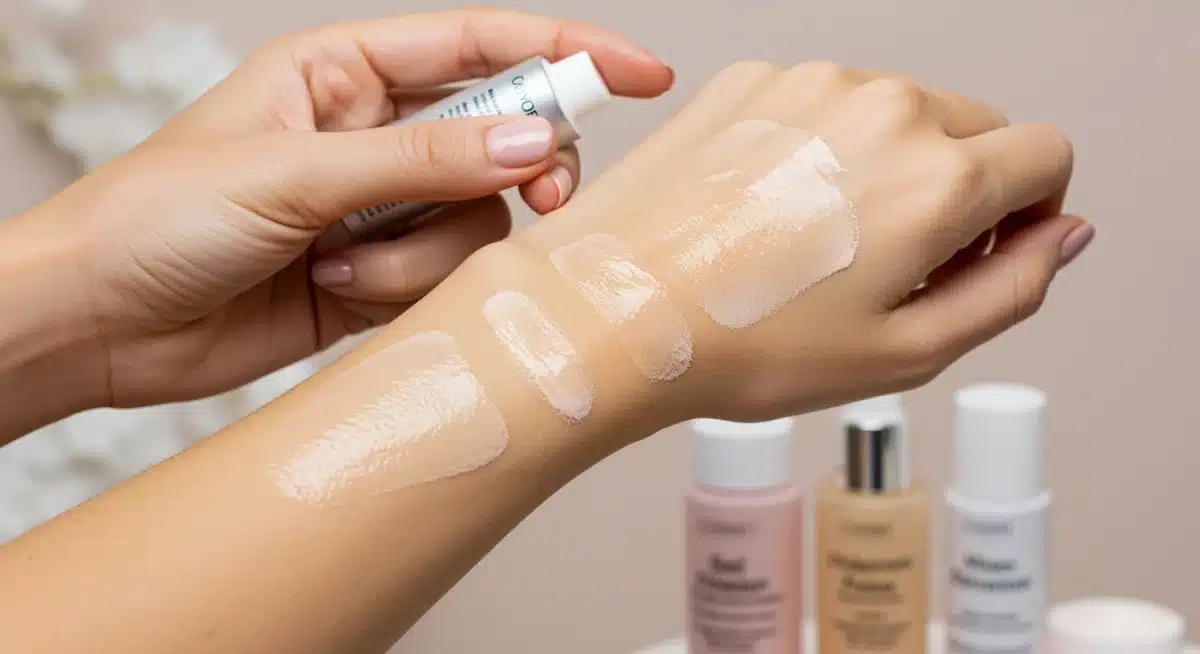
For those seeking a more natural option, the “Green Tea Mattifying Primer” by EcoBeauty incorporates green tea extract for antioxidant benefits alongside its oil-absorbing properties. This primer is particularly popular for sensitive oily skin, as it avoids harsh chemicals while still delivering impressive shine control. The key with oily skin primers is to find one that creates a comfortable, breathable matte finish, allowing your natural skin to shine through without the unwanted grease.
Hydrating and Illuminating Primers for Dry and Dull Skin in 2026
If your skin tends to be on the drier side, feeling tight, flaky, or looking dull, the right primer can transform your complexion. In 2026, hydrating and illuminating primers are designed to infuse your skin with moisture, create a dewy glow, and ensure your foundation glides on smoothly without clinging to dry patches. These primers are essential for achieving a fresh, plump, and radiant finish.
Dry skin often presents challenges for makeup application, as foundation can appear patchy, emphasize fine lines, or simply not last. Hydrating primers act as a protective and nourishing barrier, locking in moisture and preventing makeup from absorbing into the skin. Illuminating primers, on the other hand, add a subtle luminosity from within, combating dullness and creating a healthy glow. Many modern formulations combine both benefits, offering a powerful one-two punch for dry and dull complexions.
Dewy finishes and radiant complexions
For dry skin, look for primers rich in humectants and emollients. Ingredients like hyaluronic acid, glycerin, squalane, and various botanical oils are excellent for attracting and retaining moisture. These primers often have a creamy, serum-like, or even balmy texture. For dull skin, seek out primers with finely milled pearls or light-reflecting particles that create a soft-focus, luminous effect without looking glittery.
- Key Features: Moisturizing, plumping, radiance-boosting, non-drying.
- Texture Preference: Cream, serum, or liquid with a subtle sheen.
- Application Tip: Apply generously over the entire face for an even, hydrated base.
A top contender for dry skin in 2026 is the “Hydro-Boost Primer” from AquaGlow. This primer is packed with multiple forms of hyaluronic acid and ceramides, providing intense hydration that lasts all day, leaving the skin feeling supple and smooth. It also helps to plump up fine lines, making the skin appear more youthful. For those seeking an illuminating effect, the “Radiance Recharge Primer” by GlowUp Cosmetics is a standout. It features a blend of pearlescent pigments and vitamin C, which brightens the skin instantly and over time, giving a natural, lit-from-within glow.
Another excellent option for both hydration and a subtle glow is the “Berry Dew Primer” from Fruitful Beauty, which leverages fruit extracts and natural oils to nourish the skin while providing a delicate, dewy finish. These primers not only prepare your skin for makeup but also offer noticeable skincare benefits, making them an indispensable part of a dry or dull skin routine.
Balancing Act: Primers for Combination and Normal Skin Types in 2026
Combination and normal skin types have unique needs that fall somewhere between the extremes of oily and dry. For combination skin, the challenge is to address both oily and dry areas effectively. For normal skin, the goal is often to enhance natural radiance and extend makeup wear without creating new concerns. In 2026, primers for these skin types are all about balance, comfort, and subtle enhancement.
Combination skin, characterized by an oily T-zone and normal to dry cheeks, can be particularly tricky. The ideal primer will either offer targeted benefits (mattifying where needed, hydrating elsewhere) or provide a universally balancing formula that adapts to different skin zones. Normal skin, while generally problem-free, still benefits from a primer that refines texture, minimizes pores, and ensures makeup longevity, often with a focus on luminosity or a smooth, seamless finish.
Adaptive formulas for harmonious complexions
For combination skin, look for primers that promise a “balancing” or “perfecting” effect. These often contain a mix of ingredients that can lightly mattify oily areas without over-drying, while also providing a touch of hydration to drier spots. Some advanced formulas even use smart technology to detect and respond to different skin conditions. For normal skin, primers that focus on skin-smoothing, subtle radiance, or general makeup longevity are ideal. These primers are typically lightweight and absorb quickly, leaving no sticky residue.
- Combination Skin Needs: Balancing, targeted oil control, subtle hydration.
- Normal Skin Needs: Smoothing, enhancing radiance, extending wear.
- Key Ingredients for both: Hyaluronic acid, niacinamide, blurring polymers, antioxidants.
The “Zone Control Primer” by Balance & Blur is an exemplary product for combination skin in 2026. This innovative primer features a dual-phase formula that mattifies the T-zone with micro-sponges while delivering discreet hydration to drier areas with a blend of humectants, creating a perfectly balanced canvas. Users appreciate how it simplifies their routine by eliminating the need for multiple primers.
For normal skin, the “Silk Canvas Perfecting Primer” from Refined Skin offers a lightweight, velvety texture that instantly blurs imperfections and creates an incredibly smooth base for foundation. It doesn’t add shine or excessive moisture, simply perfecting the natural canvas. Another excellent choice is the “Vitamin C Glow Primer” by Brighten Up, which not only smooths the skin but also infuses it with a healthy, subtle glow thanks to its antioxidant-rich formula. These primers ensure that makeup looks impeccable and lasts longer, without interfering with the skin’s natural equilibrium.
Soothing Solutions: Primers for Sensitive Skin in 2026
Sensitive skin requires a gentle touch and careful consideration when selecting any beauty product, and primers are no exception. For those prone to redness, irritation, or allergic reactions, finding a primer that calms and protects while still performing its makeup-enhancing duties is crucial. In 2026, the market offers an impressive array of soothing and hypoallergenic primers designed specifically for delicate complexions, ensuring a comfortable and flawless base.
The wrong primer can quickly lead to discomfort for sensitive skin, manifesting as itching, redness, or breakouts. Therefore, gentle formulations are paramount. These primers are typically free from common irritants such as fragrances, essential oils, parabens, sulfates, and often silicones, focusing instead on calming, protective, and minimalist ingredient lists. The goal is to create a barrier that shields the skin from makeup and environmental stressors, while also providing a smooth surface for application.
Gentle formulations for delicate complexions
When selecting a primer for sensitive skin, prioritize products labeled “hypoallergenic,” “dermatologist-tested,” or “fragrance-free.” Look for ingredients known for their soothing properties, such as aloe vera, chamomile, oat extract, and calendula. Mineral-based primers, which often use zinc oxide or titanium dioxide, can also be a good choice as they are typically less irritating and can offer some physical sun protection.
- Key Features: Hypoallergenic, fragrance-free, non-irritating, calming.
- Texture Preference: Lightweight cream, gel, or mineral-based liquid.
- Application Tip: Patch test new primers on a small area of skin before full face application.
One highly recommended primer for sensitive skin in 2026 is the “Calm Complexion Primer” by Soothe & Shield. This primer boasts a clean, minimalist formula infused with organic aloe vera and allantoin, known for their soothing and anti-inflammatory properties. It creates a lightweight, breathable barrier that helps protect sensitive skin from makeup and environmental aggressors, reducing redness and discomfort. Users consistently praise its non-irritating formula and how it allows makeup to sit beautifully.
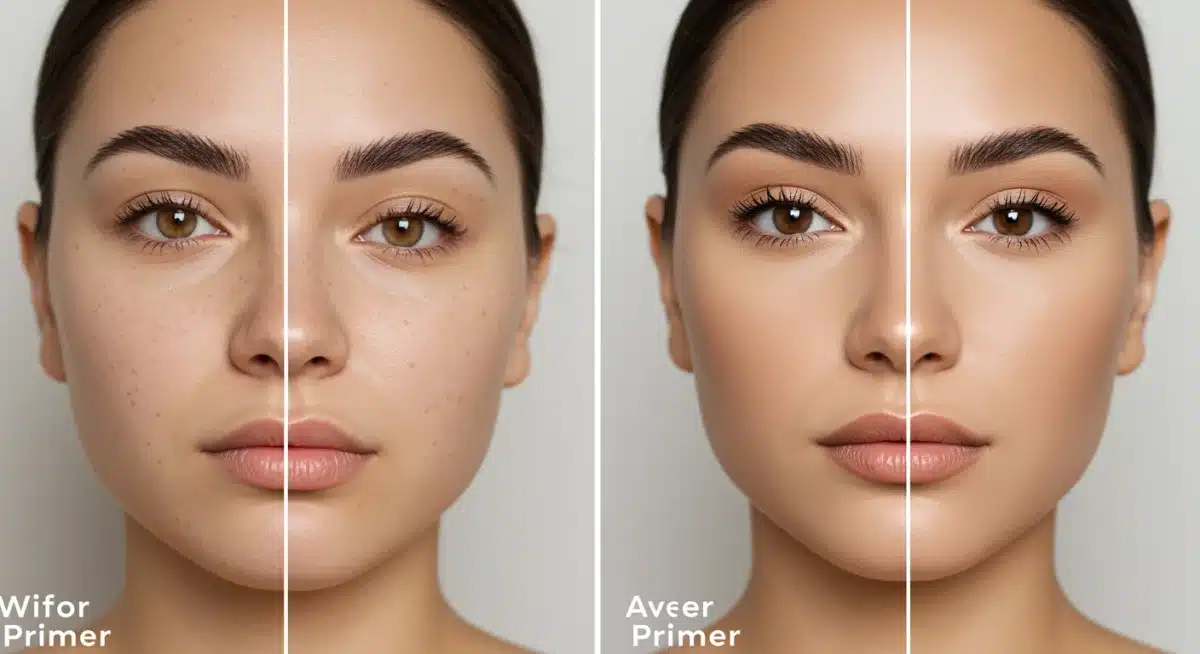
Another excellent option is the “Mineral Veil Primer” from Purely Natural, which uses a blend of mineral pigments and plant extracts to create a smooth, subtle base without harsh chemicals. This primer is particularly effective for those who also want a slight blurring effect without any silicone-heavy formulations. Always remember that even with sensitive skin-friendly products, a patch test is advisable to ensure no adverse reactions occur, guaranteeing both comfort and a truly flawless base.
Application Techniques and Tips for a Flawless Finish
Even with the perfect primer for your skin type, proper application is key to unlocking its full potential. A primer is only as good as its application, and mastering a few simple techniques can significantly enhance your makeup’s overall appearance and longevity. From how much to use to the best way to blend, these tips will help you achieve a truly flawless base every time.
Many people make the mistake of using too much primer or applying it incorrectly, which can lead to pilling, a greasy feeling, or even an uneven base. The goal is to create a thin, even layer that acts as a seamless transition between your skincare and your foundation. Think of it as painting a masterpiece; the preparation of the canvas is just as important as the paint itself.
Mastering your primer routine
The first rule of primer application is “less is more.” A pea-sized amount is usually sufficient for the entire face. Using too much can make your foundation slide or pill. Always apply primer after your skincare routine (cleanser, toner, serum, moisturizer, and SPF) and before your foundation. Allow your skincare products to fully absorb into your skin before applying primer; this prevents product mixing and ensures each product can do its job effectively.
- Clean Skin: Always start with a freshly cleansed and moisturized face.
- Small Amount: A pea-sized dollop is typically enough.
- Warm It Up: Gently warm the primer between your fingertips before applying.
- Pat and Press: Gently pat and press the primer onto your skin, don’t rub vigorously.
- Allow to Set: Give the primer 60 seconds to fully set before applying foundation.
For application, dispense a small amount onto your fingertips. Gently warm the product by rubbing your fingertips together; this helps it spread more smoothly. Then, starting from the center of your face, gently pat and press the primer outwards, focusing on areas where you have larger pores, fine lines, or excess oil. Avoid rubbing vigorously, as this can disturb your skincare layers or create uneven patches. If you have combination skin, you might apply a mattifying primer to your T-zone and a hydrating one to your cheeks. Always remember to extend your primer down your neck if you plan to apply foundation there.
After applying, give your primer a full 60 seconds to set and create its barrier before moving on to foundation. This waiting period is crucial for the primer to properly adhere to your skin and form the optimal base. By following these simple yet effective application techniques, you’ll maximize the benefits of your chosen primer, ensuring a truly flawless, long-lasting makeup application that looks professional and feels comfortable throughout the day.
Beyond the Basics: Advanced Primer Uses and 2026 Trends
While the primary role of primer is to prepare the skin for foundation, the beauty industry in 2026 has pushed its capabilities far beyond mere base creation. Modern primers now offer advanced benefits, from intense color correction to targeted anti-aging properties, and even specialized formulas for different parts of the face. Understanding these advanced uses and emerging trends can further elevate your makeup routine and address specific concerns with precision.
The evolution of primers reflects a broader trend in beauty: customization and multi-functionality. Consumers are looking for products that do more than one job, offering both immediate cosmetic benefits and long-term skincare advantages. This has led to innovative primer formulations that cater to a wider range of needs, making them indispensable tools for both professional makeup artists and everyday beauty enthusiasts.
Specialized primers and emerging innovations
One significant trend in 2026 is the rise of color-correcting primers. These primers utilize complementary color theory to neutralize redness, sallowness, or dullness before foundation application. For example, a green-tinted primer can counteract redness, while a peach or lavender one can brighten dull or sallow skin tones. This helps to achieve an even complexion with less foundation, resulting in a more natural look.
- Color-Correcting: Neutralizes redness, sallowness, or dullness.
- Anti-Aging: Infused with peptides, antioxidants, and collagen-boosting ingredients.
- Eye Primers: Specifically formulated for delicate eyelid skin, preventing creasing.
- Lip Primers: Extend lipstick wear and prevent feathering.
Another area of innovation is primers infused with powerful skincare actives. We’re seeing more primers with peptides, hyaluronic acid, vitamin C, and even retinol derivatives designed to offer anti-aging benefits, improve skin texture, and boost radiance over time, not just temporarily. These hybrid primer-serums are particularly appealing to those who want to streamline their routine without compromising on results.
Beyond face primers, specialized primers for eyes and lips are also gaining popularity. Eye primers are formulated to create a smooth base for eyeshadow, intensifying color payoff and preventing creasing throughout the day. Lip primers, often balm-like in texture, help to smooth out lip lines, prevent lipstick feathering, and extend wear, making your lip color look flawless for longer. These targeted solutions demonstrate how primers are becoming increasingly sophisticated, moving from a simple base product to a vital component of a comprehensive and customized beauty regimen, ensuring a truly flawless base for every feature.
| Skin Type | Primer Focus |
|---|---|
| Oily Skin | Mattifying, oil-absorbing, pore-blurring to control shine. |
| Dry Skin | Hydrating, moisturizing, dewy finish to prevent flakiness. |
| Combination Skin | Balancing, targeted oil control in T-zone, light hydration elsewhere. |
| Sensitive Skin | Hypoallergenic, fragrance-free, calming ingredients to avoid irritation. |
Frequently asked questions about primers
While not strictly mandatory, primer significantly enhances makeup longevity and finish. It creates a smoother canvas, minimizes pores, and addresses specific skin concerns like oiliness or dryness, making your foundation look better and last longer, especially for a truly flawless base.
Yes, absolutely. Look for non-comedogenic primers specifically formulated for oily or acne-prone skin. These often contain ingredients like salicylic acid or tea tree oil, which can help keep pores clear and prevent breakouts, while still providing a smooth base for makeup.
A moisturizer primarily hydrates and nourishes the skin. A hydrating primer, while also moisturizing, is designed to create a smooth, tacky surface for makeup adhesion and longevity. It’s an additional step to improve makeup performance, not a replacement for your daily moisturizer.
Check the ingredient list. Silicone-based primers often have ingredients ending in ‘-cone’, ‘-siloxane’, or ‘-methicone’ (e.g., dimethicone). Water-based primers will have water as the first ingredient and typically avoid heavy silicones early in the list.
Yes, this is an excellent technique for combination skin. You can apply a mattifying primer to your oily T-zone and a hydrating or illuminating primer to drier areas like your cheeks, creating a customized and truly flawless base tailored to your skin’s diverse needs.
Conclusion
As we navigate the evolving landscape of beauty in 2026, the importance of selecting the right primer for your skin type cannot be overstated in the quest for a truly flawless base. This seemingly small step in your makeup routine holds immense power, transforming your complexion into an optimal canvas that not only enhances the application and finish of your foundation but also significantly extends its wear. By understanding your unique skin needs—whether it’s controlling oil, boosting hydration, soothing sensitivity, or balancing combination areas—you empower yourself to choose a primer that works synergistically with your skin, rather than against it. The advancements in primer formulations offer targeted solutions, ensuring that every individual can find their perfect match. Embracing the power of primer is an investment in your entire makeup look, promising a smoother, more radiant, and long-lasting finish that reflects the best version of your skin, day in and day out.
