Unlock Longer-Lasting Lipstick: Pro Tips from US Makeup Artists (2026)
Ads
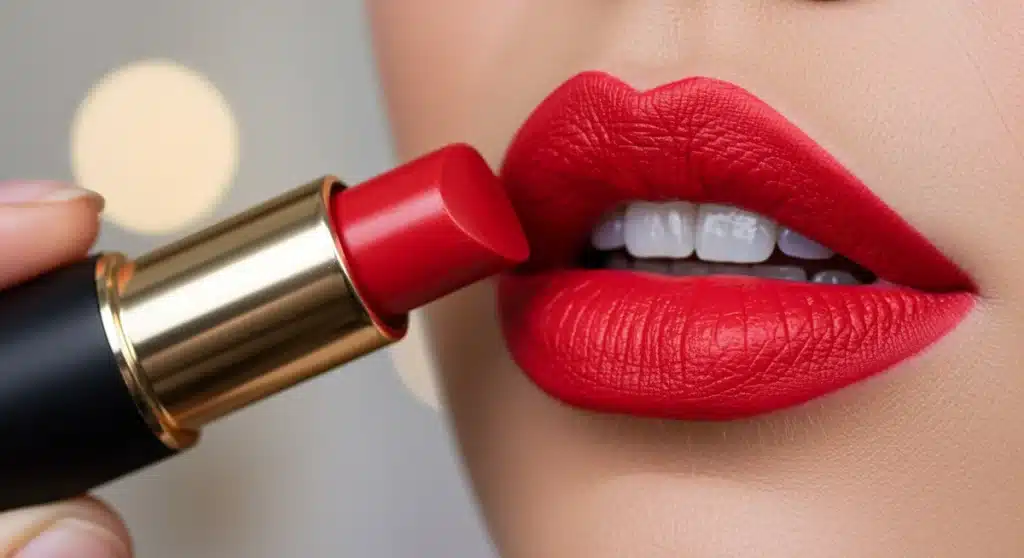
Achieving longer-lasting lipstick involves a strategic combination of preparation, precise application, and smart product selection, as revealed by leading US makeup artists for 2026.
Are you tired of your lipstick fading after just an hour or two? Do you dream of a flawless pout that withstands coffee, conversations, and even meals? For US women seeking enduring beauty, mastering the art of longer-lasting lipstick tips is a game-changer. This comprehensive guide, featuring insights from top makeup artists, will equip you with the techniques and product knowledge needed to keep your lip color vibrant all day long, well into 2026 and beyond.
The Foundation: Prepping Your Lips for Longevity
Before any color touches your lips, proper preparation is paramount. Think of your lips as a canvas; a smooth, hydrated surface is essential for optimal lipstick adherence and wear. Many overlook this crucial step, leading to patchy application and premature fading. Top makeup artists consistently emphasize that a few minutes spent on lip prep can dramatically extend your lipstick’s lifespan.
A common mistake is applying lipstick directly to dry, flaky lips. This not only makes the color look uneven but also causes it to wear off quickly as the product struggles to adhere to an uneven surface. Hydration is key, but so is gentle exfoliation to remove any dead skin cells that can disrupt your lipstick’s smooth finish.
Exfoliation and Hydration: The Dynamic Duo
Starting with a smooth base is non-negotiable. Exfoliating your lips gently removes dry, flaky skin, creating an ideal surface for lipstick application. Following this with a hydrating balm ensures your lips are plump and moisturized, which helps prevent feathering and cracking.
- Gentle Exfoliation: Use a dedicated lip scrub or a soft toothbrush with a small amount of sugar mixed with olive oil. Gently massage in circular motions for 30 seconds, then rinse. Do this 2-3 times a week, not daily, to avoid irritation.
- Deep Hydration: Apply a rich, nourishing lip balm immediately after exfoliating. Allow it to soak in for at least 5-10 minutes while you do the rest of your makeup. Blot off any excess before applying primer or lipstick.
- Overnight Treatment: For severely dry lips, apply a thick layer of a reparative lip mask or balm before bed. This intensive treatment can significantly improve lip texture over time, making future lipstick applications much smoother and longer-lasting.
By consistently incorporating these preparatory steps into your routine, you are not just making your lipstick last longer; you are also improving the overall health and appearance of your lips. This foundational work sets the stage for any lipstick, from a subtle nude to a bold red, to perform at its best.
Strategic Priming: The Unsung Hero of Long-Wear Lip Color
Once your lips are prepped, the next vital step for achieving truly longer-lasting lipstick tips is priming. A good lip primer acts as a barrier, preventing your lipstick from bleeding, feathering, and fading throughout the day. Many women skip this step, unaware of the significant difference it can make in their lipstick’s endurance.
Lip primers come in various forms, from balms to pencils, each designed to create a smooth, even surface and provide a base for color to cling to. They can also help to fill in fine lines, making your lips appear smoother and more youthful. The right primer can transform a standard lipstick into a long-wear powerhouse.
Choosing and Applying the Right Lip Primer
Selecting a primer that suits your needs is crucial. Some primers offer a tacky base for maximum grip, while others focus on smoothing and blurring. Regardless of the type, proper application is key to maximizing its benefits.
- Balm Primers: These are often hydrating and create a slightly tacky surface. Apply a thin layer and let it set for a minute before proceeding.
- Pencil Primers: Clear or nude-toned, these are excellent for defining the lip line and preventing feathering. Outline your lips and fill them in lightly.
- Multi-tasking Primers: Some primers offer additional benefits like SPF or plumping effects. Choose one that aligns with your lip concerns.
To apply, ensure your lips are clean and dry from any excess balm. Use a small amount of primer, either directly from the tube, with your finger, or a lip brush. Gently pat and spread it evenly across your entire lip area, extending slightly beyond your natural lip line if you’re prone to feathering. Allow the primer to dry completely before moving on to liner or lipstick, typically about 30-60 seconds. This small waiting period ensures the primer has fully set and can create an effective base.
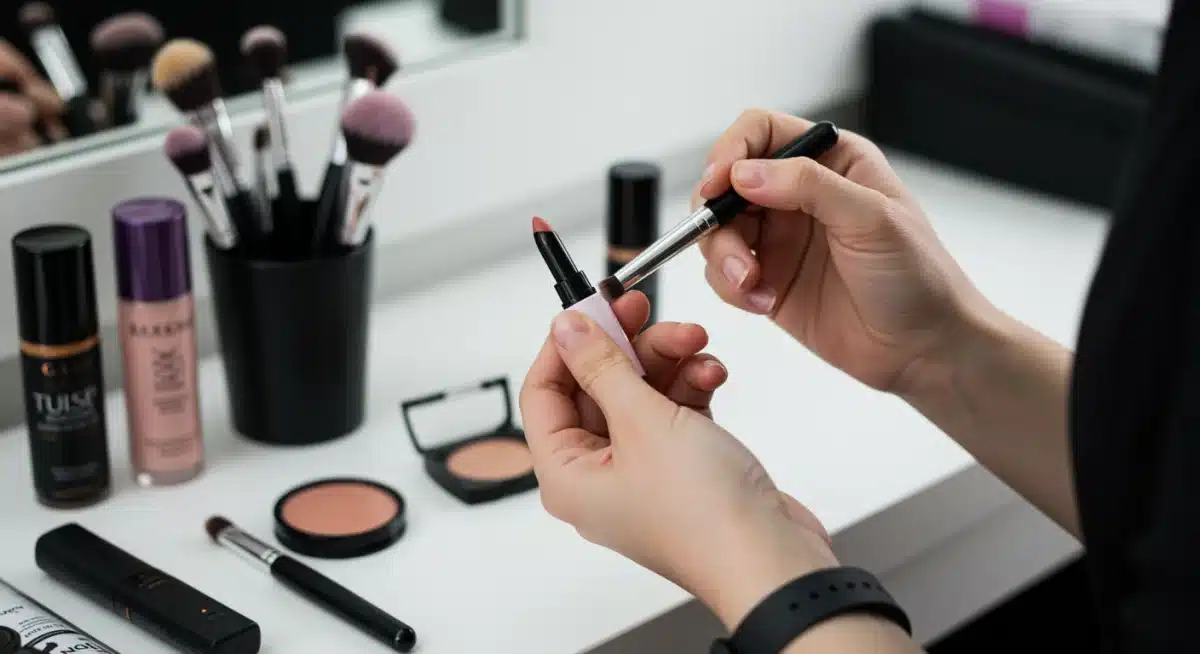
The strategic use of a lip primer is one of the most effective longer-lasting lipstick tips shared by professional makeup artists. It’s a small investment in time and product that yields significant results in the wear time and overall appearance of your lip color. Don’t underestimate its power to lock in your look.
The Art of Lip Lining: Defining and Anchoring Your Color
Lip liner is often seen as an optional step, but for truly longer-lasting lipstick tips, it’s indispensable. Beyond simply defining your lip shape, liner creates a barrier that prevents lipstick from bleeding and provides an additional layer for the color to adhere to, effectively extending its wear time. Many professional makeup artists consider lip liner to be the true backbone of a long-lasting lip look.
The choice of liner color and application technique can drastically influence the final outcome. A well-applied liner can correct asymmetries, create the illusion of fuller lips, and most importantly, act as an anchor for your chosen lipstick shade.
Choosing the Right Liner and Application Techniques
The key to successful lip lining lies in matching your liner to your lipstick or your natural lip color, and applying it with precision. This creates a seamless transition and prevents any harsh lines if your lipstick fades slightly.
- Matching Shades: Ideally, choose a lip liner that closely matches your lipstick shade. If you can’t find an exact match, opt for a liner that matches your natural lip color, especially if you’re using a nude or light pink lipstick.
- Full Lip Coverage: Don’t just outline your lips. After outlining, fill in your entire lip area with the lip liner. This provides a solid base of color, making your lipstick more vibrant and significantly extending its wear time. Even if your lipstick wears off, you’ll still have a base of color from the liner.
- Precision Application: Use a sharpened lip liner for precise application. Start from your cupid’s bow and trace outwards to the corners of your upper lip, then repeat on the lower lip, starting from the center and moving outwards.
For an extra layer of longevity, some makeup artists even suggest lightly powdering over the filled-in liner before applying lipstick. This technique, often used in theatrical makeup, further sets the base and creates an even more tenacious grip for your lip color. The strategic use of a well-chosen and expertly applied lip liner is a non-negotiable step for anyone seeking genuinely longer-lasting lipstick tips.
Layering and Application Techniques for Maximum Stay Power
The way you apply your lipstick has a profound impact on its wear time. Simply swiping it on once might look good initially, but it won’t stand the test of time. Professional makeup artists employ specific layering and application techniques to ensure color adheres firmly and remains vibrant for hours. These methods are at the heart of achieving truly longer-lasting lipstick tips.
It’s not just about the product itself, but how you integrate it into your routine. Building up thin layers, rather than one thick coat, allows for better adhesion and flexibility, preventing cracking and smudging. This meticulous approach ensures durability without sacrificing comfort.
The Blot and Powder Method
This classic technique is a favorite among makeup artists for good reason: it significantly locks in color. It involves applying lipstick, blotting, and then setting it with a translucent powder before a final layer of lipstick. This creates a multi-layered, durable finish.
- First Layer: Apply your chosen lipstick directly from the bullet or with a lip brush for precision. Ensure even coverage across the entire lip.
- Blotting: Gently blot your lips with a single ply of tissue paper. Press your lips together on the tissue to remove excess product without stripping away the color.
- Setting with Powder: Place the single ply of tissue back over your lips. With a fluffy brush, lightly dust translucent setting powder over the tissue. The tissue acts as a shield, allowing only a fine veil of powder to set the lipstick without dulling the color.
- Second Layer: Apply a final layer of lipstick. This top coat will be vibrant and locked in by the layers beneath.
This method works particularly well with traditional bullet lipsticks, especially satin or cream finishes, as the powder helps to mattify and set the emollients, preventing them from migrating. For liquid lipsticks, while blotting is still beneficial, the powder step might be less necessary as many liquid formulas dry down to a matte, long-wear finish on their own. However, a light dusting of powder can still enhance their tenacity.
Choosing the Right Formulas: Long-Wear Lipsticks and Stains
While application techniques are vital, the intrinsic properties of your chosen lipstick formula play a massive role in its longevity. Not all lipsticks are created equal when it comes to wear time. For those prioritizing longer-lasting lipstick tips, understanding the different types of long-wear formulas available is essential. The beauty market in 2026 offers an impressive array of innovative products designed to stay put.
From matte liquid lipsticks that dry down to an immovable finish to hydrating lip stains that tint your lips for hours, selecting the right product can save you constant touch-ups. Knowing which formulas excel in durability will guide your purchasing decisions and elevate your long-wear lip game.
Exploring Long-Wear Lipstick Categories
The modern beauty landscape provides several categories of lip products specifically engineered for extended wear. Each has its unique characteristics, pros, and cons regarding comfort and longevity.
- Matte Liquid Lipsticks: These are arguably the champions of long-wear. They apply as a liquid and dry down to a completely matte, transfer-proof finish. While incredibly long-lasting, some formulas can be drying, so proper lip prep is crucial.
- Lip Stains: Stains penetrate the top layer of the lip, leaving behind a tint that can last for many hours, even after eating and drinking. They are generally lightweight and feel like nothing on the lips, though they offer less opacity than traditional lipsticks.
- Long-Wear Bullet Lipsticks: Many traditional bullet lipsticks are now formulated for extended wear, often labeled as ‘long-lasting’ or ’12-hour wear’. These typically have a more comfortable, satin-matte finish compared to liquid lipsticks but still offer impressive staying power.
- Lip Crayons/Pencils: Thicker than traditional lip liners, these often offer full coverage and can be worn alone as a long-lasting lip color. Their waxy texture helps them adhere well to the lips.
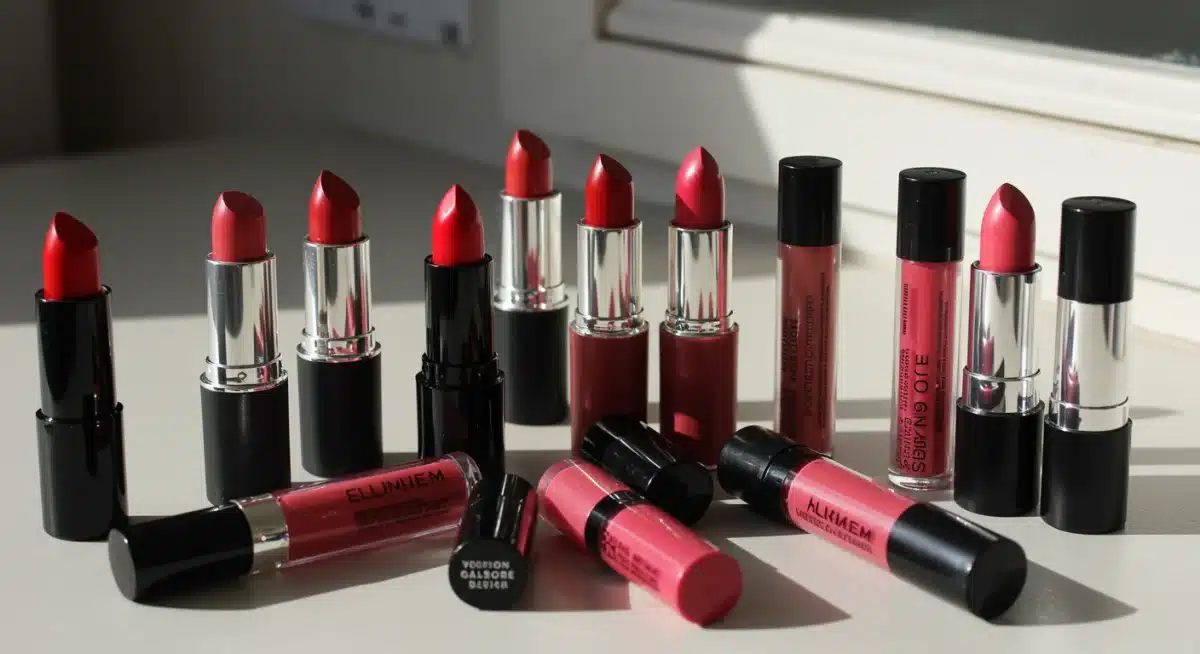
When choosing, consider your comfort preference and the level of color intensity you desire. Matte liquid lipsticks offer maximum impact and wear, while stains provide a more natural, low-maintenance look. Experiment with different formulations to find what works best with your lifestyle and delivers the longer-lasting lipstick tips you seek. Always read reviews to gauge comfort and true longevity before committing to a new product.
Maintenance and Touch-Ups: Keeping Your Pout Perfect
Even with the most meticulous application and long-wear formulas, some maintenance and strategic touch-ups are usually required to keep your lipstick looking pristine throughout the day. The goal isn’t necessarily to avoid all touch-ups, but to make them minimal and effective, ensuring your lips remain flawless without a complete reapplication. This forms a critical part of comprehensive longer-lasting lipstick tips.
Understanding how your lipstick wears off and how to address those specific areas can save you time and product. It’s about being proactive rather than reactive, spotting potential issues before they become noticeable problems.
Smart Touch-Up Strategies
Instead of haphazardly reapplying, adopt a strategic approach to touch-ups. This ensures you maintain a polished look without accumulating layers of product that can become cakey or uncomfortable.
- Targeted Touch-Ups: Focus on the areas where lipstick typically wears off first, usually the inner part of the lips, especially after eating or drinking. Use a small amount of lipstick or a lip brush to fill in these specific areas rather than reapplying to the entire lip.
- Blot and Refresh: If your lipstick feels heavy or starts to look a bit oily, gently blot your lips with a tissue before reapplying a thin layer. This removes excess product and oil, allowing the new layer to adhere better.
- Lip Liner Refresh: If your lip line starts to feather or bleed, use a clean cotton swab to gently clean up the edges. Then, if necessary, lightly reapply lip liner to redefine the boundary before touching up your lipstick.
- Carry Essentials: Always have your chosen lipstick and a matching lip liner in your bag. A small, portable lip brush can also be incredibly useful for precise touch-ups on the go.
For matte liquid lipsticks, which are often less forgiving with multiple layers, a quick blot and a thin reapplication to the center of the lips might be all that’s needed. If the entire lip needs refreshing, consider removing the old layer with an oil-based makeup remover and starting fresh, especially if the product has started to pill or crack. By incorporating these smart maintenance and touch-up habits, you can ensure your longer-lasting lipstick tips translate into a consistently polished and enduring lip look from morning until night.
Advanced Techniques and Common Pitfalls to Avoid
Beyond the fundamental steps, there are advanced techniques that top makeup artists employ to push the boundaries of lipstick longevity. Understanding these nuances, as well as common mistakes to avoid, can further refine your approach to achieving truly longer-lasting lipstick tips. It’s about optimizing every aspect of your routine for maximum impact and minimal fuss.
Many women, even those who follow basic long-wear advice, might unknowingly fall into certain traps that compromise their lipstick’s staying power. Identifying and correcting these habits can make a significant difference in your daily wear.
Mastering Advanced Tricks and Sidestepping Mistakes
From specific product combinations to behavioral adjustments, these tips delve deeper into the art of enduring lip color. Avoiding common errors can be just as important as implementing positive practices.
- Reverse Lip Lining: For ultimate feathering prevention, apply a clear or nude lip liner just outside your natural lip line. This creates an invisible barrier that stops color from migrating.
- Lip Stain Base: For exceptionally long wear, apply a lip stain first, let it dry, and then layer a bullet lipstick of a similar or complementary shade over it. The stain acts as an indestructible base.
- Using a Lip Brush: Applying lipstick with a lip brush provides greater precision and allows you to press the product into the lips more effectively, leading to better adhesion and longer wear than direct application from the tube.
- The “Bite-Proof” Test: After applying and setting your lipstick, gently press your lips together and rub them side to side. If there’s any stickiness or transfer onto your teeth, blot again. This helps prevent lipstick from getting on your teeth throughout the day.
Common Pitfalls to Avoid:
- Over-Moisturizing Right Before: While hydration is good, applying too much balm just before lipstick can create a slippery surface, preventing color from adhering properly. Blot off excess.
- Skipping Lip Liner: As discussed, liner is crucial for preventing bleeding and providing a base. Don’t skip it, especially with darker or bolder shades.
- Applying Too Many Thick Layers: This can lead to a heavy, cakey look that is prone to cracking and flaking. Opt for thin, buildable layers.
- Forgetting to Set: For non-liquid formulas, the blot and powder method is your best friend for locking in color.
- Ignoring Lip Health: Chronically dry or chapped lips will never hold lipstick well. Consistent lip care is foundational.
By integrating these advanced techniques and consciously avoiding common pitfalls, you will truly master the art of longer-lasting lipstick tips. This holistic approach ensures your lip color not only looks impeccable upon application but also maintains its integrity and vibrancy throughout your busiest days, reflecting the expertise of top makeup artists for 2026.
| Key Step | Brief Description |
|---|---|
| Lip Preparation | Exfoliate and hydrate lips for a smooth, even canvas, ensuring better product adherence. |
| Strategic Priming | Apply lip primer to create a barrier, prevent bleeding, and enhance color grip. |
| Layering Techniques | Use the blot and powder method to build thin, durable layers of lipstick. |
| Formula Selection | Choose long-wear liquid lipsticks, stains, or bullet formulations designed for longevity. |
Frequently Asked Questions About Long-Lasting Lipstick
The most crucial step is lip preparation. Exfoliating and thoroughly hydrating your lips creates a smooth, even surface for lipstick to adhere to. Without proper prep, even the best long-wear formulas will struggle to last and may appear patchy.
You can significantly extend the wear of almost any lipstick with proper techniques like priming, layering, and setting. However, formulas explicitly designed for long-wear (like liquid mattes or stains) will naturally offer superior longevity compared to traditional creamy lipsticks, even with the best techniques.
For most people, exfoliating lips 2-3 times a week is sufficient. Over-exfoliating can lead to irritation and dryness, which will counteract your goal of smoother, longer-lasting lipstick application. Listen to your lips and adjust frequency as needed.
While not strictly mandatory for every single lipstick application, lip primer is highly recommended for achieving maximum longevity. It creates a smooth base, prevents feathering and bleeding, and helps the color adhere better, making it a key component of truly long-lasting lipstick tips.
Focus on targeted touch-ups rather than full reapplication. Blot away any excess oil, then reapply lipstick only to the areas where it has worn off, typically the inner lips. Use a lip brush for precision. For liquid mattes, sometimes a full removal and reapplication is better than layering.
Conclusion
Mastering the art of longer-lasting lipstick tips is a journey that combines diligent preparation, strategic application, and informed product choices. As we’ve explored through the insights of top US makeup artists for 2026, achieving an enduring, flawless pout goes far beyond a simple swipe of color. From the foundational steps of exfoliation and hydration to the nuanced techniques of priming, lining, and layering, every stage contributes to the overall longevity and pristine appearance of your lip color. By embracing these professional strategies, understanding the power of different long-wear formulas, and adopting smart maintenance habits, you can confidently wear your favorite lipstick knowing it will stay vibrant and beautiful for hours on end. Say goodbye to constant touch-ups and hello to a perfect pout that truly lasts.