10 Spring Porch Decor Trends Dominating United States Homes in 2026: Complete Transformation Guide
Ads
Spring porch decor in 2026 emphasizes sustainable materials, biophilic design, and bold color expressions, with homeowners prioritizing outdoor spaces as extensions of their living areas through multifunctional furniture and energy-efficient lighting solutions.
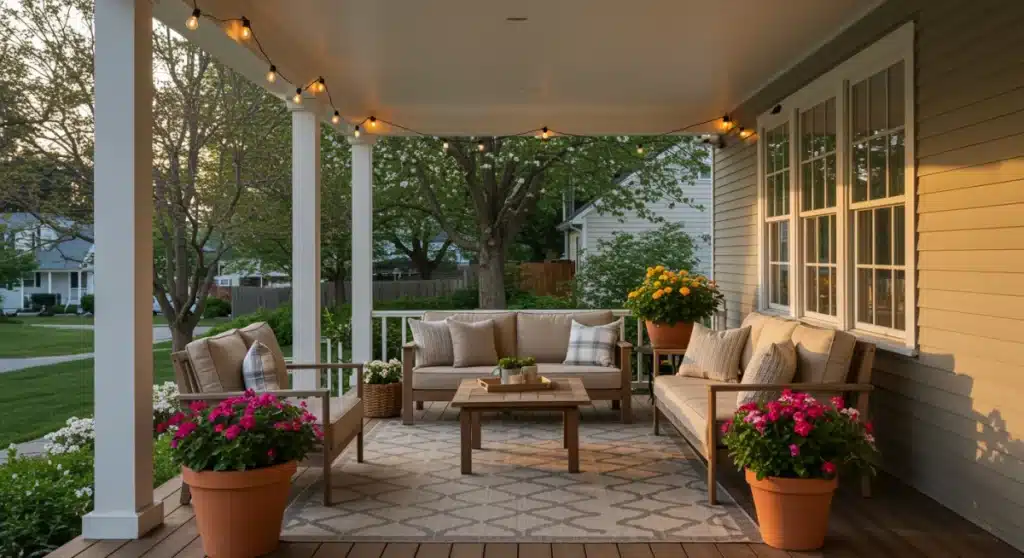
As temperatures rise and daylight stretches longer, American homeowners are turning their attention to one of the most overlooked areas of the house: the front porch. The spring porch trends shaping 2026 reflect a deeper shift in how we view our outdoor living spaces. No longer just a transitional zone between inside and outside, the porch has become a destination—a place where morning coffee tastes better, conversations flow longer, and curb appeal reaches new heights. This transformation guide explores the ten dominant trends redefining porches across the United States this spring, offering practical inspiration for anyone looking to refresh their outdoor oasis.
Sustainable Materials Take Center Stage
The push toward sustainability has moved firmly into the realm of outdoor decor, and porches are no exception. In 2026, homeowners are consciously choosing materials that minimize environmental impact without sacrificing durability or aesthetics. Reclaimed wood furniture, recycled plastic composite decking, and upcycled vintage pieces dominate porch installations across the country. These choices tell a story while standing up to the elements.
What makes this trend particularly compelling is its accessibility. You do not need to purchase all-new furniture to participate. Refinishing existing wooden chairs with eco-friendly stains, adding cushions made from recycled ocean plastics, or incorporating bamboo accessories can achieve the same effect. The key lies in selecting items that age gracefully and can be maintained naturally over time.
Popular Sustainable Choices
- Reclaimed barn wood rocking chairs and swings
- Recycled plastic Adirondack chairs that mimic wood grain
- Natural fiber rugs made from jute or sisal
- Upcycled vintage crates used as plant stands
Beyond the furniture itself, sustainable practices extend to how we care for these pieces. Many homeowners are moving away from chemical sealants and treatments, opting instead for natural oils and waxes that protect wood while allowing it to breathe. This approach aligns with the broader movement toward holistic living spaces that feel as good as they look.
Biophilic Design Brings Nature Indoors
The connection between human well-being and nature has driven the biophilic design movement for years, but 2026 marks its definitive arrival on the American porch. This trend goes beyond simply adding plants—it involves creating an immersive experience where the boundary between built space and natural world blurs intentionally. Living walls, vertical gardens, and strategically placed greenery transform porches into breathing ecosystems.
Native plants remain a cornerstone of this approach. Choosing species indigenous to your region supports local pollinators while reducing water consumption and maintenance needs. From lavender in California to black-eyed Susans in the Southeast, regional plant palettes ensure your porch feels rooted in its environment rather than imported from somewhere else entirely.
Biophilic Elements to Incorporate
- Living green walls with automatic irrigation systems
- Hanging planters featuring trailing pothos or ferns
- Natural stone accents and boulder arrangements
- Water features that attract birds and beneficial insects
The sensory dimension of biophilic design deserves special attention. The sound of rustling leaves, the scent of blooming jasmine, the texture of rough-hewn wood—these elements engage more than just the visual sense. Homeowners report spending significantly more time on porches that incorporate these multisensory experiences, confirming that biophilic design serves practical as well as aesthetic purposes.
Maximalist Color Palettes Replace Minimalist Neutrality
After years of dominating interior design, the minimalist neutral aesthetic is stepping aside to make room for something bolder on porches across America. The spring porch trends of 2026 embrace maximalism with unapologetic enthusiasm. Rich blues, sunny yellows, grassy greens, and terracotta oranges dominate front porches, creating inviting spaces that announce themselves from the street.
This shift represents more than a change in taste—it reflects a desire for self-expression and joy in outdoor spaces. After the introspective years following global disruptions, homeowners are gravitating toward colors that lift spirits and create immediate emotional impact. The porch, as the most public part of the home, becomes the perfect canvas for this vibrant expression.
Implementing a maximalist approach does not require repainting your entire house. Instead, focus on accent pieces: brightly colored cushions, patterned floor rugs, painted furniture, and layered textiles in complementary hues. The goal is curated abundance rather than chaotic clutter—a distinction that separates intentional maximalism from mere excess.
Multifunctional Porch Spaces Evolve
The modern porch serves purposes that would have seemed foreign to previous generations. Working from home has transformed outdoor spaces into legitimate office alternatives, while the rise of outdoor entertaining has made porches full-fledged hosting venues. In 2026, these functional shifts are being addressed through thoughtful design that accommodates multiple uses without compromising aesthetics.
Modular furniture plays a crucial role in this evolution. Pieces that can be easily reconfigured allow homeowners to transition from morning workspace to evening entertaining area in minutes. Weather-resistant charging stations, integrated lighting for evening use, and comfortable seating designed for extended periods of sitting have become essential investments for those who take their porch time seriously.
Functional Porch Additions
- Built-in bench storage for blankets and cushions
- Weatherproof charging ports for electronic devices
- Ceiling fans that provide comfort during warm evenings
- Heated flooring options for cooler spring mornings
The definition of functionality has also expanded to include accessibility. Wider doorways, ramp-compatible designs, and furniture heights that accommodate various physical abilities ensure that porches remain welcoming spaces for everyone. This inclusive approach represents a mature understanding of how outdoor living should work in practice.
Outdoor Textiles Reach New Heights of Sophistication
Textiles have undergone a remarkable transformation in the outdoor furniture market, and the results are particularly visible on American porches this spring. What once meant cheap plastic cushions and fading canvas now includes high-performance fabrics that rival interior upholstery in both appearance and feel. Solution-dyed acrylics, blockchain-verified cottons, and innovative blends that resist fading, staining, and moisture have revolutionized what is possible.
Pattern plays an equally important role in this textile revolution. From bold geometric prints to delicate floral motifs, the range of available designs allows homeowners to express personal style without compromising durability. Layering multiple patterns—often called pattern mixing—has emerged as a sophisticated technique, with designers recommending combining different scales and styles for visual interest.
Texture adds another dimension to outdoor textile choices. The tactile experience of woven throws, velvet pillows, and braided rugs encourages touch and creates warmth despite the outdoor setting. These textural elements bridge the gap between interior comfort and exterior exposure, making porches feel like genuine extensions of the home.
Lighting Design Becomes Architectural
Proper lighting can transform any porch from an afterthought into an evening destination, and 2026 sees homeowners treating outdoor illumination with the same seriousness they give to interior architectural lighting. The days of simple porch lights are giving way to layered lighting schemes that create ambiance, improve safety, and extend the usable hours of outdoor spaces.
Smart lighting systems lead this transformation. App-controlled systems allow homeowners to adjust brightness, color temperature, and even color based on occasion or time of day. Warm amber tones create intimate evening atmospheres, while brighter cool-white settings provide functional illumination for reading or working during daylight hours. Integration with home automation systems means porch lights can respond to schedules, weather conditions, or voice commands.
Lighting Elements to Consider
- Pathway lights that guide visitors safely to your door
- String lights draped across ceiling beams or railings
- Uplighting that highlights architectural features or trees
- Motion-sensor lights for security and convenience
Energy efficiency drives many lighting decisions as well. Solar-powered options have improved dramatically in both brightness and longevity, while LED fixtures consume a fraction of the energy of traditional bulbs. The combination of aesthetic appeal and environmental responsibility makes advanced lighting an easy sell for conscientious homeowners.
Vintage and Antique Accents Gain Prominence
Counter to the prevalence of new materials and modern designs, vintage and antique accents have secured a firm place in spring porch decor for 2026. These pieces add character, history, and uniqueness that mass-produced items simply cannot match. Whether inherited from family members, discovered at estate sales, or sourced from specialty retailers, vintage elements create personal connections that resonate deeply.
The appeal extends beyond aesthetics. Well-made vintage furniture was built to last, often featuring solid construction and quality materials that stand the test of time. Restoring these pieces—rather than discarding them—aligns perfectly with sustainability goals while preserving craftsmanship that modern manufacturing rarely achieves.
Mixing vintage with contemporary elements creates visual tension that many find appealing. A restored Victorian rocking chair beside a sleek modern bistro set, or antique copper planters alongside minimalist concrete containers, demonstrates how different eras can coexist harmoniously. The key lies in finding balance rather than forcing incongruent elements together.
Statement Doors and Architectural Details
The front door has always served as the focal point of a porch, but 2026 sees this element receiving more attention than ever before. Bold door colors—midnight blue, forest green, burnt orange, even black—make immediate statements that set the tone for the entire property. These choices represent a departure from traditional red or brown, embracing instead colors that reflect current design sensibilities.
Architectural details beyond the door contribute to porch transformation as well. Crown molding, ceiling medallions, decorative brackets, and column covers add dimension and character to otherwise plain spaces. These elements work particularly well on covered porches where they remain protected from direct weather exposure while providing visual interest.
Hardware updates offer another avenue for transformation. New door handles, knockers, house numbers, and mailbox designs in finishes ranging from matte black to antique brass provide finishing touches that pull the entire porch together. These small details matter more than many homeowners realize, serving as the jewelry that completes the overall look.
| Trend | Key Feature |
|---|---|
| Sustainable Materials | Reclaimed wood, recycled plastics, natural fibers |
| Biophilic Design | Living walls, native plants, multisensory experiences |
| Maximalist Colors | Bold blues, yellows, greens, and terracotta tones |
| Smart Lighting | App-controlled systems, energy-efficient LEDs |
Frequently Asked Questions
Solution-dyed acrylic fabrics, recycled plastic composites, and properly treated teak rank among the most durable options for spring porch furniture. These materials resist fading, moisture, and general wear while requiring minimal maintenance throughout the season.
Start with a neutral base—flooring, larger furniture pieces—and layer bold colors through accessories like cushions, throws, and planters. Mixing patterns works best when you vary the scale, combining large prints with smaller ones. Limit your color palette to three or four complementary hues for cohesion rather than chaos.
Regional recommendations vary significantly: lavender and succulents thrive in the Southwest, coneflowers and black-eyed Susans suit the Midwest and Plains, while hydrangeas and azaleas perform well in the Southeast. Check with local nurseries for climate-specific advice and plants adapted to your specific hardiness zone.
Look for systems with app control, dimming capabilities, and scheduling options. Motion sensors add security and convenience, while color temperature adjustment allows you to shift from functional bright light to ambient evening warmth. Ensure any outdoor-rated smart lights carry proper weather resistance certifications.
Most quality outdoor fabrics benefit from occasional cleaning with mild soap and water. Store cushions indoors during heavy rain or extended periods of non-use, and consider investing in breathable furniture covers. Vacuuming upholstery regularly prevents dirt from embedding in fibers and extends the life of your outdoor textiles significantly.
Conclusion
The spring porch trends defining 2026 reflect something deeper than aesthetic preferences—they represent a fundamental reimagining of how Americans use and value their outdoor spaces. From sustainable materials that honor environmental responsibility to bold colors that express joyful individuality, these trends offer pathways for transformation that accommodate diverse tastes and practical needs. Whether you embrace maximalist color explosions or prefer the quiet sophistication of biophilic design, the common thread remains clear: the porch has earned its place as a cherished extension of home, worthy of the same thoughtful consideration we give to our interior living spaces. Start small, prioritize quality over quantity, and remember that the most successful porch transformations happen gradually—one thoughtful addition at a time.