
Ads
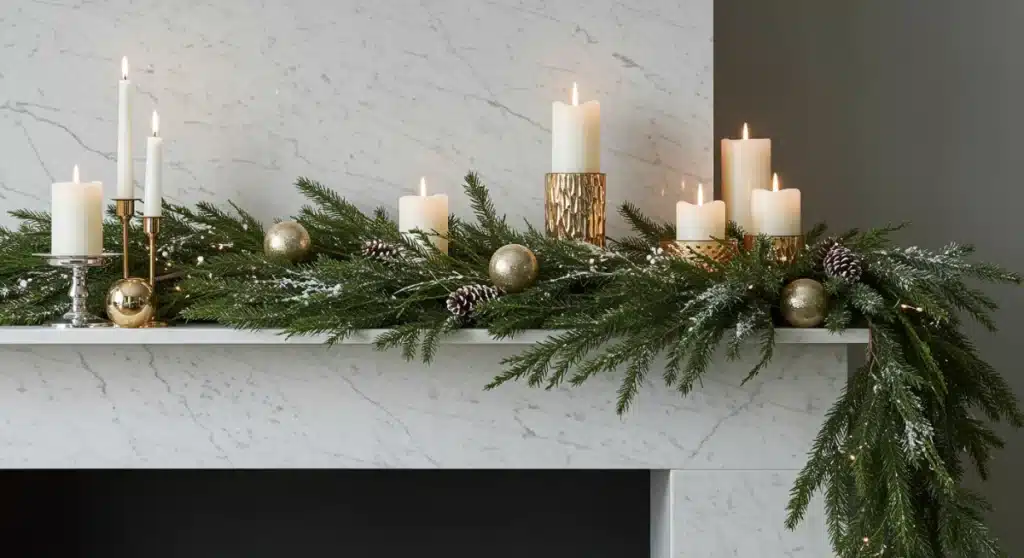
Interior designers reveal the most effective winter mantel styling secrets for 2026, focusing on texture layering, seasonal greenery, proper scaling, strategic lighting, cohesive color palettes, and personalized decorative elements that transform ordinary fireplace surrounds into stunning focal points.
Ads
When the temperatures drop and the fireplace becomes the heart of your home, the mantel deserves more than afterthought decor. Winter Mantel Styling has evolved into an art form that interior designers across America are mastering in 2026, and the results are nothing short of transformative. Whether your style leans toward minimalist modern or embraces cozy cottage aesthetics, the secrets professional designers use can elevate your fireplace from a simple heating element to the stunning centerpiece your living room craves.
Layering Textures and Materials for Visual Warmth
The foundation of any remarkable winter mantel lies in how textures interact with one another. Professional designers understand that visual warmth comes from combining materials that speak to both touch and sight, even when we cannot actually feel them.
Ads
Start by establishing a textural hierarchy. Begin with larger anchor pieces in substantial materials like stone, wood, or ceramic, then build outward with increasingly lighter elements. A reclaimed wood clock or architectural sculpture provides immediate gravitas, while woven baskets, faux fur throws, and glass vessels add layers that draw the eye inward.
Material Combinations That Work
- Natural wood paired with glass: The organic warmth of untreated wood balances perfectly against the clean lines of glass candle holders or decorative spheres
- Ceramic and metallic accents: Handcrafted ceramic vessels alongside brushed brass or matte black metal objects create sophisticated contrast
- Textiles and greenery: Small decorative pillows or fabric-wrapped candles introduce softness that makes the entire arrangement feel approachable
- Stone elements with natural fiber: River rocks or marble pieces gain warmth when paired with jute rope details or woven plant holders
The key is avoiding uniformity. A mantel that features only smooth, glossy objects feels sterile, while one comprised entirely of rustic elements can appear unfinished. The magic happens in the interplay between rough and refined, matte and reflective, heavy and airy.
The Power of Seasonal Greenery and Natural Elements
Nothing announces winter quite like fresh greenery adorning your mantel. However, professional designers approach botanical elements with strategic intent rather than simply filling space with foliage.
Consider the architecture of your mantel before introducing plants. For standard-width fireplace surrounds, asymmetrical placement works best—anchor one side with a substantial evergreen arrangement while allowing the other side to breathe with negative space or smaller accent pieces. This creates visual tension that keeps the eye moving across the entire display.
Greenery Options Beyond the Traditional
- Eucalyptus branches: Their silvery-green leaves and graceful arch add movement while releasing a subtle, refreshing scent
- Pine sprigs and pinecones: Classic winter elements that bring outdoor texture inside without overwhelming the space
- Dried florals: Dried wheat grass, cotton stems, or preserved oak branches offer permanence and textural interest that lasts throughout the season
- Moss and lichen accents: Small moss wreaths or preserved lichen pieces add organic dimension without maintenance requirements
If fresh greenery feels too demanding, high-quality faux options now rival their natural counterparts in appearance. Look for artificial botanicals with realistic stem texture and varied leaf coloring to maintain authenticity without the upkeep.
Mastering Scale and Proportion on Your Mantel
Perhaps the most common mistake homeowners make with mantel styling involves scale. Either the decor disappears against a large fireplace surround, or oversized pieces overwhelm the space and create visual chaos.
Professional designers follow a simple principle: objects should occupy roughly two-thirds of the mantel depth while maintaining varied heights that create visual rhythm. The tallest piece—whether an architectural mirror, large-scale artwork, or substantial vase—should not exceed the mantel height itself, as this creates an unbalanced appearance that feels top-heavy.
Think of your mantel display as a composition with three distinct height zones. The back layer establishes the overall silhouette and typically includes framed artwork, mirrors, or architectural elements. The middle layer houses the primary decorative objects and serves as the visual anchor. The front layer adds finishing touches that draw the eye forward, such as small sculptural objects, candles, or layered garland.
Scale Guidelines by Mantel Size
- Standard mantel (48-60 inches): Limit tallest elements to 12-18 inches, with most objects between 6-10 inches
- Wide mantel (72+ inches): Can accommodate larger statement pieces up to 24 inches, but maintain breathing room between groupings
- Narrow or corner mantel: Prioritize depth over width; vertical elements maximize impact in limited horizontal space
Remember that negative space serves as actively as filled space. A carefully curated collection with room to breathe feels more intentional and sophisticated than a crowded arrangement where every inch is filled.
Lighting Techniques That Transform Your Mantel Display
The right lighting can elevate a good mantel arrangement into something extraordinary, while poor lighting choices undermine even the most carefully selected decor. Winter months demand thoughtful illumination strategies that complement rather than compete with your styled display.
Candles remain the gold standard for mantel lighting, offering warm, flickering glow that artificial alternatives struggle to replicate. Vary candle heights and diameters for visual interest, and consider scented options that enhance the winter atmosphere—cedar, vanilla, cinnamon, or pine scents reinforce the seasonal mood.
Lighting Layering Approaches
- Candle hierarchy: Mix pillar candles in varying heights with smaller votives and tea lights for dimensional glow
- String light integration: Drape delicate fairy lights through greenery or around decorative objects for magical ambiance
- Accent lighting: Small picture lights above artwork or puck lights hidden behind objects create targeted highlights
- Natural light consideration: Position reflective objects to bounce natural light during daytime hours
For safety-conscious households, flameless LED candles now offer remarkably realistic flickering effects without fire risk. Many models include remote controls and timers, providing convenience without sacrificing atmosphere.
Color Palettes That Define Winter Mantel Style
Color selection for winter mantels requires balancing seasonal appropriateness with personal style and existing room decor. While traditional winter palettes lean toward rich, deep hues, contemporary approaches embrace surprising versatility.
The most successful winter mantel schemes start with a neutral foundation—white, cream, natural wood tones, or charcoal gray—then layer in seasonal accents. This approach allows for easy updates throughout the winter months without requiring complete overhauls.
Consider the overall mood you want to create. Cool metallics like silver and platinum evoke crisp winter mornings, while warm golds and coppers suggest crackling fires and intimate gatherings. Jewel tones—emerald, sapphire, amethyst—bring luxury and drama, while soft pastels offer a gentler, Scandinavian-inspired aesthetic.
Trending 2026 Color Combinations
- Warm minimal: Cream, taupe, and terracotta with brass accents
- Winter wonder: White, silver, and icy blue with crystal details
- Forest retreat: Deep green, brown, and gold with natural wood elements
- Modern monochrome: Various shades of gray with black accents and white candles
- Berry winter: Cranberry, burgundy, and blush pink with metallic gold highlights
The key is maintaining cohesion rather than randomly combining colors that clash. Pull colors from existing elements in your room—throw pillows, area rugs, window treatments—and echo those shades in your mantel accessories for a pulled-together appearance.
Personal Touches and Curated Collections
A truly exceptional winter mantel tells your story. Professional designers consistently emphasize the importance of incorporating personal elements that transform a generic display into a meaningful expression of your life and tastes.
Begin with objects that hold genuine significance—a collection inherited from family, finds from meaningful travels, or pieces that reflect your hobbies and interests. These personal elements create conversation starters and emotional connections that generic decor simply cannot achieve.
Grouping objects in odd numbers typically proves more visually appealing than even arrangements. Three related objects create a curated vignette, while five or seven items grouped together command attention without appearing chaotic. Vary heights and textures within the group while maintaining color or material cohesion.
Personal Element Categories to Consider
- Family photographs: Black and white images in matching frames create sophisticated nostalgia
- Travel souvenirs: Artfully displayed objects from meaningful destinations add global character
- Heirloom pieces: Inherited ceramics, silver, or decorative objects connect generations
- Personal collections: Vintage cameras, antique books, or specialized objects showcase individual passions
- Handmade art: Children’s creations or personal craft projects add authentic charm
Balance personal items with professional-grade decorative objects to maintain visual sophistication. Too much personal content can appear cluttered, while too little feels impersonal. Aim for approximately one-third personal elements to two-thirds decorative pieces for optimal warmth and refinement.
Maintaining Your Mantel Throughout the Season
Creating a stunning winter mantel requires initial investment, but maintaining its beauty throughout the season demands ongoing attention. Professional designers recommend establishing a simple maintenance routine that preserves your display while accommodating the dynamic nature of winter living.
Regular dusting with a soft, dry cloth prevents accumulation that diminishes sparkle, especially on glass and metallic surfaces. Candles should be trimmed before each lighting to ensure clean burns and maximum glow. Fresh greenery, if used, benefits from occasional misting to extend its life and maintain appearance.
Consider planning three distinct looks for the winter season. An early-winter display might emphasize Thanksgiving transitions and early holiday elements. Mid-winter can embrace full holiday glamour with richer decorations. Late winter shifts toward fresh, optimistic elements that anticipate spring while maintaining winter coziness.
Seasonal Transition Strategies
- Swap textiles: Change pillow covers and throws to reflect seasonal color shifts
- Update greenery: Replace heavy evergreens with lighter birch branches or flowering branches as winter progresses
- Shift focus pieces: Rotate statement objects to keep the display feeling fresh without complete overhaul
- Adjust lighting: Increase candle usage as days grow shorter and darker
Document your successful arrangements with photographs so you can recreate winning combinations in future years. This reference proves invaluable when packing away decorations and planning next winter’s display.
| Key Element | Brief Description |
|---|---|
| Texture Layering | Combine wood, glass, ceramic, metal, and textiles for visual warmth and depth |
| Seasonal Greenery | Use eucalyptus, pine, dried florals, or quality faux botanicals for natural appeal |
| Proper Scaling | Maintain varied heights with anchor pieces occupying two-thirds of mantel depth |
| Strategic Lighting | Layer candles, string lights, and accent lighting for warm, inviting ambiance |
Frequently Asked Questions
Narrow mantels benefit from depth over width. Choose objects with visual presence rather than wide profile, and consider leaning framed artwork or mirrors against the wall rather than hanging them. Vertical elements like tall vases or architectural sculptures draw the eye upward, creating the illusion of more space while maximizing impact in limited horizontal areas.
Asymmetrical arrangement works by balancing visual weight rather than mirror imaging. Place your largest anchor piece slightly off-center, then group medium objects on the same side with smaller accents on the opposite side to create equilibrium. The key is ensuring both sides feel equally weighted despite different object quantities, creating dynamic tension that feels intentional rather than accidental.
Two to three updates throughout winter typically suffice for most households. An early-winter setup can transition from fall, a mid-winter refresh embraces full holiday richness, and a late-winter update introduces lighter elements anticipating spring. Major overhauls require significant time, so strategic swaps of textiles, greenery, and accent pieces maintain freshness without complete redesign.
Real candles pose safety concerns in households with curious children or pets. Flameless LED candles now offer remarkably realistic flickering effects and eliminate fire risk entirely. Many models include remote controls, timers, and multiple flicker settings. Position any candles—whether real or artificial—in sturdy holders that cannot easily be knocked over, and always supervise lit candles when the room is occupied.
Start by identifying two or three dominant colors already present in your living room from larger elements like rugs, sofas, or curtains. Select mantel accessories that echo these colors while introducing one complementary accent color for visual interest. Using a neutral foundation allows flexibility for seasonal color shifts while maintaining cohesion with your existing decor and creating a unified visual narrative throughout the space.
Conclusion
Mastering Winter Mantel Styling transforms your fireplace from a functional necessity into the stunning centerpiece your living room deserves. By focusing on texture layering, strategic greenery placement, proper scaling, thoughtful lighting, cohesive color palettes, and meaningful personal touches, you can create a display that reflects your unique style while embracing the season’s warmth. Remember that exceptional mantel design evolves throughout winter—embrace the opportunity to refresh and reinvent your display as the season progresses, and your fireplace will reward you with endless admiration.
