
Ads
Real estate agents report that improper seasonal decorating can lower a home’s perceived value by 25%, with common mistakes including excessive thematic decorations, poor lighting choices, and neglecting transitional spaces that buyers notice immediately.
Ads
Every season brings opportunities to refresh your living spaces, but the way you approach seasonal decorating can either enhance or diminish your home’s overall appeal. Real estate professionals who tour properties throughout the year have observed consistent patterns in how homeowners inadvertently reduce their property’s attractiveness through well-intentioned but misguided decorating choices. Understanding these seasonal decorating mistakes helps you maintain a home that looks its best year-round while preserving its market value.
Excessive Holiday Clutter That Overwhelms Spaces
One of the most common seasonal decorating mistakes involves going overboard with thematic decorations. Real estate agents frequently encounter properties where seasonal items consume every available surface, making rooms feel cramped and preventing buyers from envisioning themselves in the space. The problem intensifies during holiday seasons when homeowners feel compelled to display extensive collections.
Recognizing Clutter Warning Signs
- Walking paths blocked by decorative items
- Windows partially obscured by window treatments or decorations
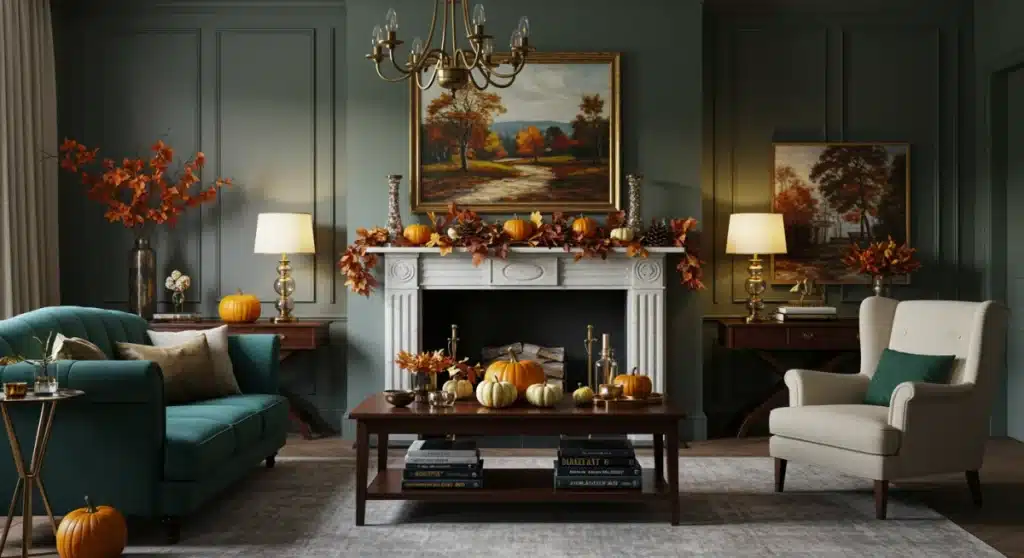
- Fireplace mantels exceeding their visual capacity
- Tabletops completely covered with seasonal figurines or candles
When potential buyers cannot see past your decorations to appreciate the architectural features and layout of your home, you lose opportunities to make positive impressions. The goal should be celebrating seasons without transforming your home into a retail display. Moderation becomes especially critical during showings when buyers need to focus on the property’s inherent qualities rather than navigating decorative obstacles.
Ads
Ignoring Natural Light Changes Across Seasons
Each season brings dramatically different natural light conditions, yet many homeowners maintain the same window treatments and lighting setups year-round. Real estate experts note that properties appearing dark and gloomy during winter months often receive lower offers simply because buyers struggle to appreciate the space’s true character. Conversely, summer properties lacking proper shading can feel uncomfortable and unwelcoming.
Adjusting your window treatments to accommodate seasonal light variations creates more inviting interiors consistently. Sheer curtains during bright summer afternoons diffusing harsh sunlight while maintaining views, combined with heavier draperies for winter evenings, demonstrate thoughtful seasonal awareness. This attention to lighting detail signals to buyers that the home has been well-maintained and thoughtfully managed throughout the seasons.
Seasonal Lighting Adjustments That Matter
- Replacing bulbs with appropriate color temperatures for each season
- Adding mirrors to reflect available natural light during darker months
- Installing dimmer switches to control artificial lighting intensity
- Using warm-toned lampshades during winter to create cozy ambiance
Neglecting these adjustments creates environments that feel inconsistent and poorly prepared for year-round living. Buyers recognize the difference between a home that feels welcoming in January versus one that seems cold and unwelcoming despite the thermostat being set appropriately.
Neglecting Outdoor Spaces During Transitional Seasons
Many homeowners focus intensively on interior seasonal updates while completely ignoring outdoor areas during spring and fall transitions. Real estate professionals consistently report that curb appeal suffers significantly during these periods when properties appear neglected despite interior upgrades. The exterior of your home creates the first impression that influences everything following.
Patio furniture left uncovered through winter, accumulated debris from autumn trees, and bare garden beds during spring all communicate neglect to passing buyers and those viewing your property. Maintaining outdoor spaces requires relatively minimal effort compared to interior transformations, yet the visual impact remains substantial. Seasonal outdoor maintenance demonstrates pride of ownership and suggests the interior has received equally attentive care.
Essential Outdoor Seasonal Tasks
- Cleaning outdoor furniture and storing or covering appropriately
- Removing fallen leaves and debris promptly
- Planting seasonal flowers to maintain color interest
- Ensuring exterior lighting functions properly for darker seasons
Properties presenting well-maintained exteriors throughout the year consistently outperform similar homes with neglected outdoor spaces. The investment in seasonal exterior care yields returns through increased buyer interest and potentially higher offers.
Using Incorrect Color Palates for Seasonal Contexts
Color choices significantly impact how buyers perceive space, yet many homeowners select seasonal color schemes without considering how these choices photograph and appear during different lighting conditions. Real estate photographers frequently encounter properties where seasonal colors clash with permanent features or create unflattering combinations that appear in listing photos.
Winter color schemes heavy on dark, warm tones can make rooms appear smaller while reducing natural light perception. Spring pastels appearing cheerful in person may photograph with insufficient contrast. Understanding how seasonal color choices interact with photography and various lighting conditions helps maintain consistent appeal across all marketing materials and showings.
The most successful seasonal color approaches incorporate neutrals as foundations, allowing seasonal accents to provide personality without overwhelming permanent elements. This strategy enables easier transitions between seasons while maintaining coherent aesthetic appeal throughout the year.
Failing to Stage Transition Spaces Properly
Entryways, mudrooms, and transitional spaces often receive insufficient attention during seasonal decorating, yet these areas create immediate impressions for buyers entering your home. Real estate agents report that cluttered or poorly maintained transition spaces frequently disappoint buyers who have viewed immaculate primary living areas. These functional spaces require seasonal consideration equal to formal rooms.
Summer brings beach gear, pool accessories, and outdoor equipment that accumulate in entryways unless properly managed. Winter introduces bulky coats, boots, and holiday storage that can overwhelm limited storage areas. Maintaining organized, welcoming transition spaces throughout seasonal changes demonstrates practical household management that appeals to buyers seeking move-in-ready properties.
Transition Space Organization Strategies
- Installing seasonal storage solutions before peak accumulation periods
- Creating designated zones for seasonal items
- Maintaining clean, decluttered surfaces visible from entry points
- Using decorative baskets or containers to contain seasonal items attractively
Well-organized transition spaces extend the impression of quality throughout your entire home, reinforcing the narrative of a well-maintained property where every detail has received consideration.
Overlooking Seasonal Maintenance Requirements
Certain decorating choices create maintenance challenges that become apparent during specific seasons, yet homeowners often select items without considering year-round care requirements. Real estate professionals encounter properties where seasonal decorations have caused wall damage, floor staining, or furniture wear that becomes visible during buyer walkthroughs.
Lighted decorations requiring extension cords create tripping hazards and electrical concerns. Wreaths and garlands hung with nails or screws leave visible damage when removed. Fabric seasonal items may fade unevenly when displayed in direct sunlight. Each seasonal choice carries maintenance implications that affect your home’s condition over time.
Selecting seasonal decorations that attach without hardware, rotate placement to prevent sun damage, and store properly to maintain their appearance protects your home’s condition while ensuring decorations remain attractive for future use. This thoughtful approach to seasonal decorating preserves your property’s value while enabling celebratory expressions throughout the year.
Creating Inconsistent Seasonal Atmospheres
Perhaps the most subtle seasonal decorating mistake involves creating inconsistent atmospheres that feel jarring as buyers move through different areas of your home. Real estate agents describe properties where living rooms embrace cozy winter themes while bedrooms remain stuck in previous seasons, creating disorienting experiences for visitors.
Maintaining consistent seasonal presentation requires coordinated updates throughout your home rather than concentrating changes in visible areas while neglecting secondary spaces. Buyers touring properties notice these inconsistencies, interpreting them as evidence of incomplete household management. Coordinated seasonal updates, even if modest in scope, create more cohesive impressions that resonate with buyers seeking thoughtfully maintained homes.
Successful seasonal decorating involves intentional choices that enhance your home’s best features while allowing buyers to envision their own belongings and seasonal preferences in the space. The goal remains showcasing your home’s potential rather than displaying your decorating skills or holiday enthusiasm. Finding this balance protects your property’s market appeal while enjoying the seasons throughout the year.
| Common Mistake | Impact on Home Appeal |
|---|---|
| Excessive Holiday Clutter | Reduces perceived space and prevents buyers from envisioning themselves in the home |
| Ignoring Natural Light Changes | Creates dark, gloomy environments during winter that lower perceived home value |
| Neglecting Outdoor Spaces | Damages curb appeal during transitional seasons when buyers are actively shopping |
| Inconsistent Seasonal Atmospheres | Creates disorienting experiences that suggest incomplete household management |
Frequently Asked Questions
Less is generally more when your home is on the market. Remove personal collections, limit seasonal items to one or two tasteful pieces per room, and ensure decorations do not block architectural features or create navigation obstacles. Buyers need to see your home’s potential, not your holiday enthusiasm.
Yes, adapt your approach to the season while maintaining moderation. Winter showings benefit from warm lighting and cozy textures, while spring presentations should emphasize brightness and freshness. Avoid extreme thematic decorations regardless of season, and prioritize creating welcoming environments that appeal to broad buyer preferences.
Real estate professionals consistently report that inappropriate seasonal decorating negatively impacts buyer perceptions. Excessive clutter reduces perceived square footage, poor lighting creates unfavorable impressions, and neglected outdoor spaces damage curb appeal. These factors collectively can reduce perceived home value by up to 25% according to experienced agents.
Focus on entryways, front porches, and visible garden beds. Keep pathways clear, maintain appropriate seasonal plants, ensure exterior lighting works properly, and clean or store outdoor furniture appropriately. These visible areas create first impressions that significantly influence buyer interest and perceived property value.
Choose versatile, neutral base decorations that work year-round, then add seasonal accents through easily changed items like throw pillows, candles, and small table decorations. Store seasonal items properly when not in use, rotate decorations thoughtfully, and always ensure your home appears clean, organized, and ready for potential buyers to envision their own belongings in the space.
Conclusion
Seasonal decorating offers wonderful opportunities to celebrate throughout the year while keeping your living spaces fresh and engaging. However, the approach you take significantly impacts how potential buyers perceive your home’s value and potential. By avoiding excessive clutter, maintaining consistent atmospheres, caring for outdoor spaces, and making thoughtful seasonal choices, you preserve your home’s market appeal while enjoying the seasons you spend in your property. Remember that the goal involves showcasing your home’s inherent qualities while allowing buyers to envision their own seasonal celebrations within the space. Balance personal enjoyment with market readiness, and your home will maintain its appeal regardless of when buyers come to view it.
