
How to Preserve Natural Pumpkins for Outdoor Porch Displays
Ads
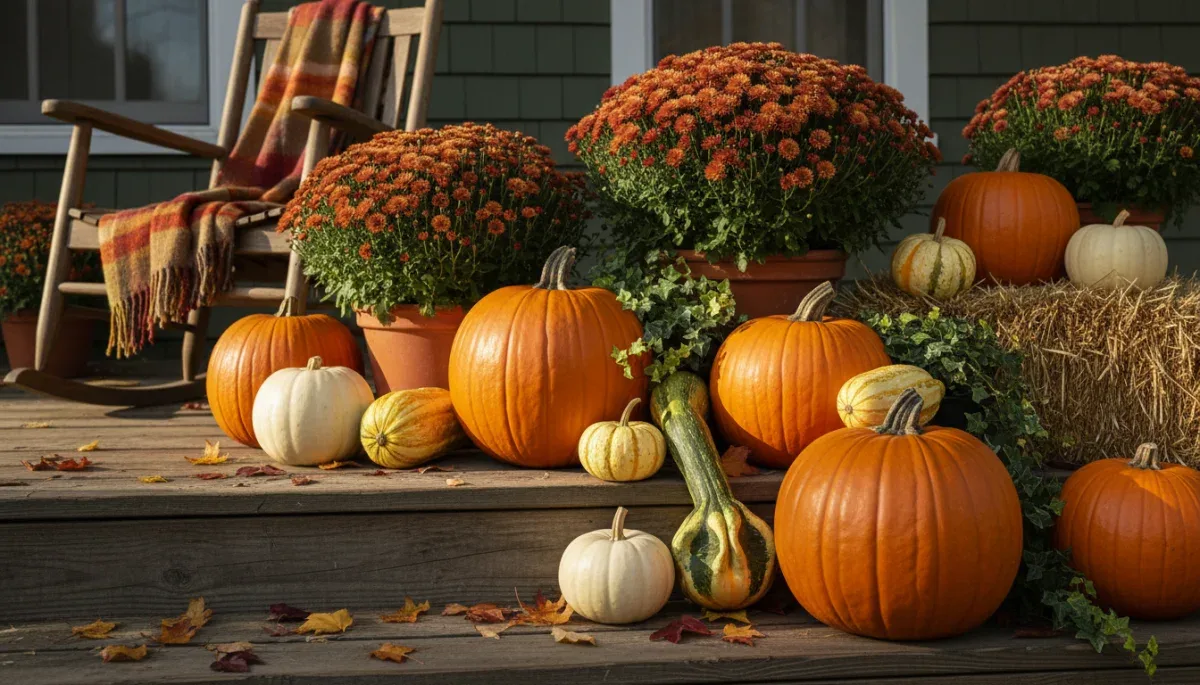
Natural pumpkins and decorative gourds last significantly longer on outdoor displays when cleaned with a mild sanitizing wash, coated with a protective moisture barrier, and kept off damp surfaces. This approach helps homeowners maintain crisp autumn arrangements without premature rotting, though freezing temperatures and hungry local wildlife can still shorten their lifespan.
Because fresh cucurbits contain high amounts of water, decay begins the moment bacteria or fungi penetrate the outer rind. Outdoor conditions such as direct sun, pooling rainwater, and morning frost accelerate this breakdown, causing uncarved produce to collapse within weeks. By understanding how environmental factors interact with plant tissue, you can prepare raw gourds to withstand the elements from early autumn through Thanksgiving.
Selecting fresh specimens for maximum longevity
Successful preservation starts long before applying sealants or washes. When shopping at local farms, garden centers, or supermarkets, inspect each pumpkin and gourd carefully to verify structural integrity. A gourd with hidden soft spots or a broken stem will begin rotting quickly regardless of how thoroughly you clean the rind afterward.
Ads
Look for specimens that feel heavy for their size, which indicates firm, hydrated internal flesh rather than drying hollows. The outer skin should feel hard and resist slight thumbnail pressure without puncturing. Avoid produce with nicks, deep scratches, soft areas near the base, or fluid seepage around the stem.
Key selection criteria to check
- Firm, securely attached stems that are dry, woody, and free from dark fungal growth.
- Uniform color across the entire rind without sunken patches, bruises, or water pockets.
- A flat, unblemished bottom that rests evenly on flat surfaces without rocking or cracking.
- Hard outer skin that shows no signs of mold around the blossom end or stem base.
Always carry pumpkins from the bottom rather than lifting them by the stem. The stem provides a natural seal for the fruit; snapping it off creates an open wound where bacteria enter rapidly, accelerating decay from the inside out.
Cleaning and sanitizing the surface to stop decay
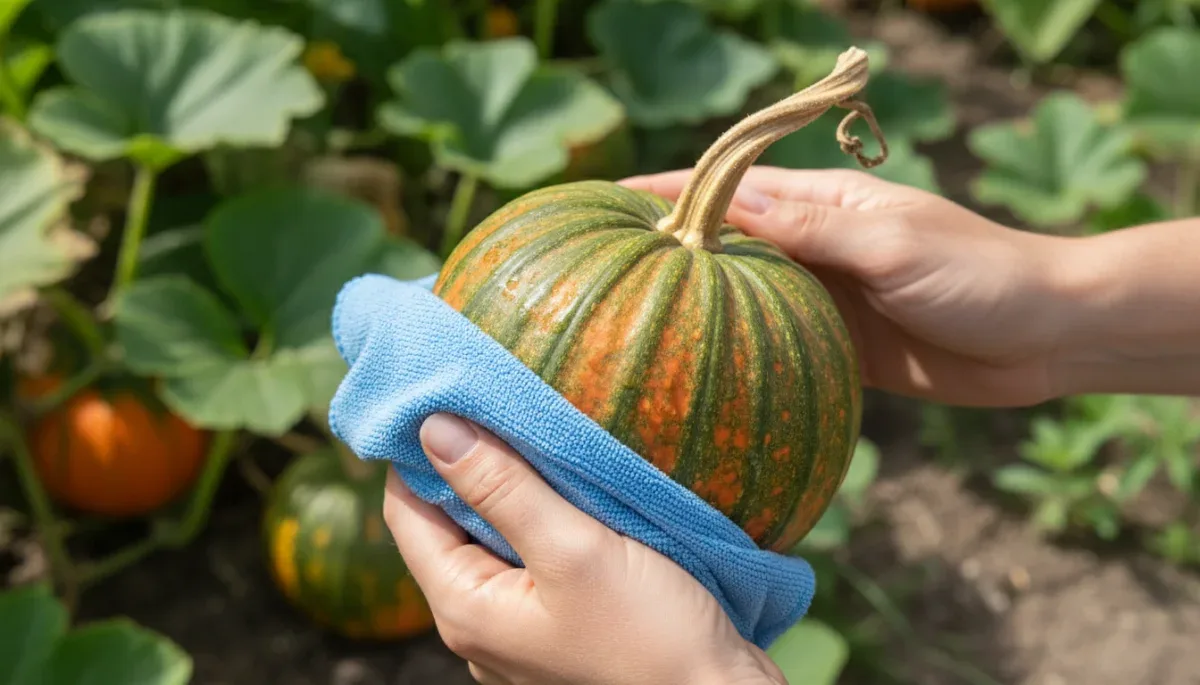
Harvested gourds carry ambient soil microbes, fungal spores, and insect residues from the field. Leaving these contaminants on the rind creates an ideal breeding ground for rot once humidity levels fluctuate outdoors. Sanitizing the exterior kills surface pathogens and slows the decomposition process considerably.
Ads
Before sanitizing, wash away visible dirt using lukewarm water and a drop of mild dish detergent. Scrub stubborn crevices on ornamental gourds using a soft-bristled brush or microfiber cloth, taking care not to scratch the protective outer cuticle. Rinse thoroughly and allow the surface to air dry completely in a shaded area.
Effective sanitizing solutions
- Diluted household bleach mixed at one tablespoon of plain bleach per gallon of cool water.
- Diluted white vinegar mixed at one part standard five-percent vinegar to four parts water.
- A mild peppermint Castile soap wash diluted in warm water to clean and add light scent deterrence.
Submerge or thoroughly wipe the gourd with your chosen solution, ensuring contact across all ridges, the stem base, and the bottom blossom spot. Allow the wash to sit on the surface for ten minutes to neutralize spores. Dry each piece thoroughly with clean towels, as residual moisture trapped under the fruit will encourage mold growth.
Applying protective moisture barriers and sealants
Once the surface is clean and dry, creating a physical barrier prevents moisture loss while blocking external humidity and fungal spores. Uncarved pumpkins breathe through tiny microscopic pores in their skin, and slowing this transpiration helps the fruit maintain its firm texture much longer.
For a natural finish, pure vegetable oils, mineral oil, or petroleum jelly can be buffed over the outer skin in a thin, uniform layer. Apply a small amount to a clean cloth and massage it over the entire gourd, wiping away any excess greasy film. The oil seals pores and produces a soft, healthy sheen that enhances natural colors.
If you prefer a durable synthetic barrier, clear acrylic aerosol sealants or craft spray varnishes offer strong weather resistance. Choose a matte, satin, or gloss finish depending on your aesthetic preference. Apply two light coats outdoors in a well-ventilated area, letting the first coat cure fully before spraying the second. Ensure the bottom is fully dry before placing the gourd onto your porch steps.
Choosing the right porch placement and shelter
Physical placement plays a major role in preserving natural gourds against environmental breakdown. Heat, direct sunlight, rain, and freezing temperatures all speed up tissue degradation. Direct sunlight literally cooks the flesh, breaking down cellular walls and causing soft rot within days during warm early-autumn afternoons.
Position your porch displays in fully shaded or partially covered areas, such as under awnings, covered porticos, or beneath deep roof eaves. Sheltered positions keep rain from collecting in the natural hollow around the stem, which is one of the most common causes of top-down rotting in heirloom varieties.
Never place natural gourds directly onto porous surfaces like bare soil, treated deck wood, or damp concrete. These materials wick moisture upward into the base of the fruit, fostering mold rings. Instead, place pumpkins on small pedestals, decorative saucers, straw mats, wooden risers, or hidden plastic bottle caps to promote air circulation beneath each piece.
Deterring pests, wildlife, and mold development
Outdoor porch displays frequently attract squirrels, mice, raccoons, and insects seeking nourishment as temperatures drop. A single bite mark breaks the protective seal and exposes internal sugars to airborne mold spores, causing the entire display to collapse within days.
Natural taste and scent deterrents can discourage pests without introducing toxic poisons into your entry area. Diluted hot pepper extract or cayenne powder mixed with a few drops of mild soap can be sprayed directly onto outer surfaces. Rodents dislike capsaicin and will generally avoid biting treated produce.
Peppermint essential oil diluted in water provides another layer of protection, as small mammals and insects find the strong aroma repulsive. Reapply taste and scent deterrents weekly or after heavy driving rain, paying special attention to the tender flesh around the base and lower ridges.
Inspecting and maintaining displays throughout the season
Preservation is an ongoing process rather than a single weekend task. Inspect your outdoor gourds once or twice a week to catch early signs of moisture buildup, pest activity, or localized mold before it spreads to adjacent decor.
Wipe down surfaces with a dry cloth after humid mornings or foggy evenings to prevent condensation rings. If a small patch of mold appears near the stem, wipe it immediately with a cotton ball soaked in rubbing alcohol or white vinegar, then let it dry in the shade.
When local weather forecasts predict hard freezing conditions below thirty-two degrees Fahrenheit, bring natural pumpkins indoors temporarily. Freezing temperatures freeze the water inside plant cells, expanding and bursting the cellular walls; once the fruit thaws, it rapidly turns into a soft, unrecoverable liquid mass.
At a glance
| Factor | What to know |
|---|---|
| Surface sanitizing | Neutralizes active fungal spores and bacteria before rot begins. |
| Protective sealing | Locks in moisture while keeping rainwater and ambient humidity out. |
| Porch positioning | Keep displays in full shade with airflow underneath each base. |
| Freezing protection | Move gourds indoors during hard frosts to prevent tissue collapse. |
Frequently asked questions
How long do preserved uncarved pumpkins last outdoors?
Uncarved pumpkins that are properly cleaned, sealed, and kept in shaded, cool conditions typically last between two and three months. Environmental factors such as high ambient heat, excessive rainfall, and pest damage can reduce this timeframe down to several weeks.
Can I preserve carved jack-o-lanterns the same way?
Carved pumpkins decay much faster because internal flesh is fully exposed to air and microbes. While sanitizing sprays and petroleum jelly along cut edges help, carved displays generally last only three to ten days outdoors before collapsing.
Does hairspray work to preserve natural pumpkins?
Hairspray provides a brief shine, but it is not an effective long-term preservative. Hairspray contains alcohol and sugars that can dry out the rind unevenly and attract outdoor insects, making clear craft acrylic sealer or light mineral oil far better alternatives.
What should I do if a pumpkin starts to soften?
Immediately remove the softening pumpkin from your porch arrangement to prevent mold spores and fruit flies from contaminating surrounding produce. Softened pumpkins cannot be reversed and should be added to compost before the rind breaks open completely.
The bottom line
Preserving natural pumpkins and gourds for your front porch requires selecting unblemished produce, washing the rind with a sanitizing bath, applying a light moisture sealant, and elevating each piece out of standing water. Keeping arrangements shaded and shielded from hard freezes ensures vibrant seasonal color from early autumn through late November. Before shopping for seasonal produce, check your local frost dates to plan appropriate indoor storage options when freezing temperatures arrive.
Written by
Rita Luiza
Rita Luiza writes about home decorating for papalions.com. Each article explains how things work, compares published details such as prices, policies and program rules, and points readers to the official source before they decide.