
Physical vs Chemical Sunscreen for Sensitive Skin
Ads
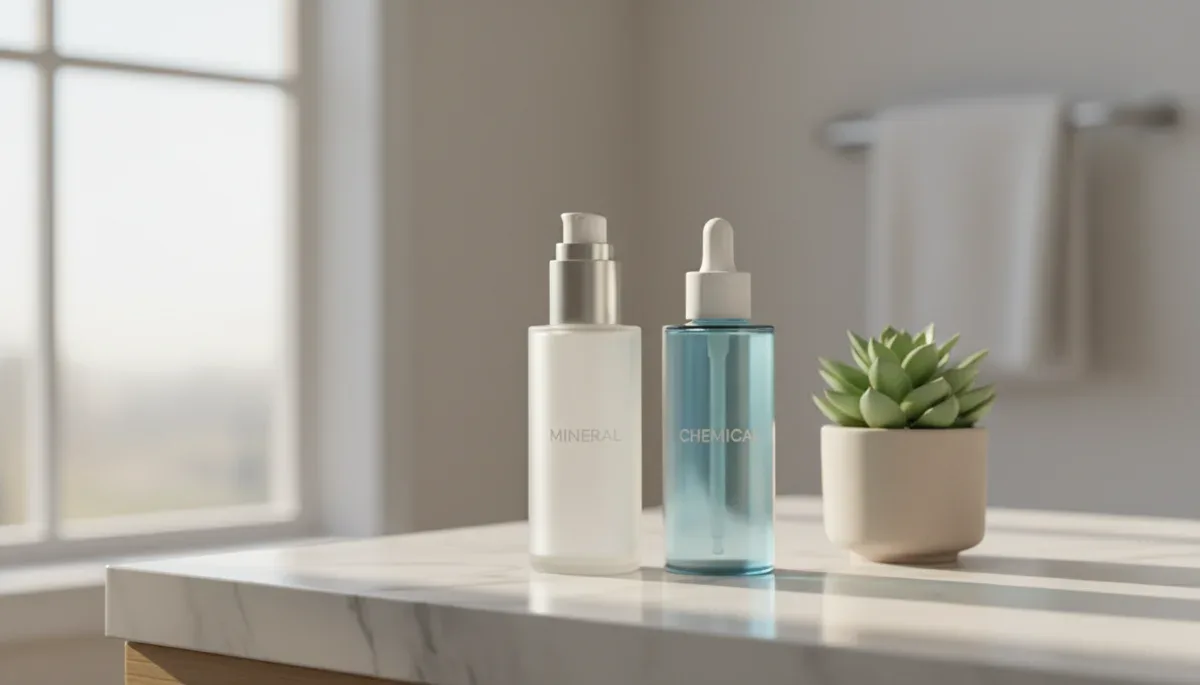
Physical sunscreen is generally the safer choice for sensitive skin because its mineral filters sit on the skin surface rather than absorbing into it. This distinction reduces the likelihood of allergic contact dermatitis, stinging, and heat-induced redness during everyday wear.
This comparison helps anyone dealing with rosacea, eczema, fragrance allergies, or general reactivity pick an effective daily sun protectant. The primary catch is that physical options often leave a noticeable white residue or feel heavier on deeper skin tones, while chemical alternatives blend seamlessly but carry a higher risk of ingredient sensitivity.
How physical and chemical active ingredients work
The core difference between physical vs chemical sunscreen lies in how the active ingredients interact with ultraviolet radiation and the skin barrier. Understanding these working mechanisms clarifies why reactive skin types respond so differently to each formulation category.
Ads
Physical sunscreens, frequently referred to as mineral sunscreens, rely on two naturally occurring mineral compounds recognized by the U.S. Food and Drug Administration: zinc oxide and titanium dioxide. These inorganic mineral particles remain on the outermost layer of the stratum corneum. When ultraviolet rays strike the skin, mineral particles primarily reflect and scatter incoming UVA and UVB rays, while also absorbing a portion of the light and converting it to harmless heat. Because these particles do not penetrate the living layers of the epidermis, they rarely provoke immune-mediated inflammatory reactions.
Chemical sunscreens utilize organic carbon-based active filters such as avobenzone, octisalate, octinoxate, homosalate, and octocrylene. These compounds absorb into the upper layers of the skin. When UV rays hit the tissue, the chemical bonds absorb the ultraviolet radiation, convert it into thermal energy, and release that heat from the skin surface. While efficient, the chemical conversion process and the synthetic filters themselves can trigger localized stinging, contact irritation, or allergic flare-ups in compromised skin barriers.
Evaluating irritation triggers for sensitive skin
Sensitive skin often features an impaired lipid barrier, meaning irritants penetrate deeper and sensory nerves fire more readily. Choosing between physical vs chemical sunscreen requires looking closely at how each filter type interacts with existing inflammatory conditions like rosacea, perioral dermatitis, or eczema.
Ads
Chemical filters are known culprits for allergic contact dermatitis and acute eye stinging. Avobenzone and oxybenzone, in particular, frequently cause burning around the orbital area when sweat migrates sunscreen into the eyes. Furthermore, because chemical formulas generate micro-heat during UV conversion, individuals with rosacea or melasma may experience increased flushing or hyperpigmentation flare-ups when spending prolonged periods in direct sunlight.
Zinc oxide, the primary active filter in most physical formulas, has natural skin-soothing properties and has long been used in therapeutic barrier creams. It does not generate noticeable surface heat, does not sting sensitive eye areas, and provides broad-spectrum protection immediately upon application. For these reasons, dermatological organizations such as the American Academy of Dermatology routinely recommend mineral-based sunscreens for post-procedure care and reactive skin profiles.
Common ingredients that cause reactivity
- Synthetic fragrances and masking agents: Added scents remain one of the leading causes of cosmetic contact dermatitis in sensitive individuals.
- Chemical UV filters: Older generation filters like oxybenzone and avobenzone trigger higher rates of allergic sensitivity.
- Denatured alcohol: Used to create fast-drying textures, high alcohol concentrations can strip natural oils and exacerbate barrier dysfunction.
- Preservatives like methylisothiazolinone: Certain antimicrobial agents can provoke delayed skin reactions and swelling.
Comparing texture, cosmetic finish, and daily wear
A daily sunscreen only works if you are willing to apply the recommended amount every morning without skipping. Texture, absorption speed, and compatibility with other grooming or makeup products play a massive role in long-term compliance.
Chemical sunscreens generally hold the advantage in cosmetic elegance. Because organic filters dissolve easily into lightweight lotions and fluid gels, manufacturers can produce formulas that leave zero white cast, absorb within seconds, and dry to a clear, weightless finish. This makes chemical sunscreens popular under makeup and across all skin tones, particularly for individuals with medium to deep complexions who struggle with chalky residue from mineral powders.
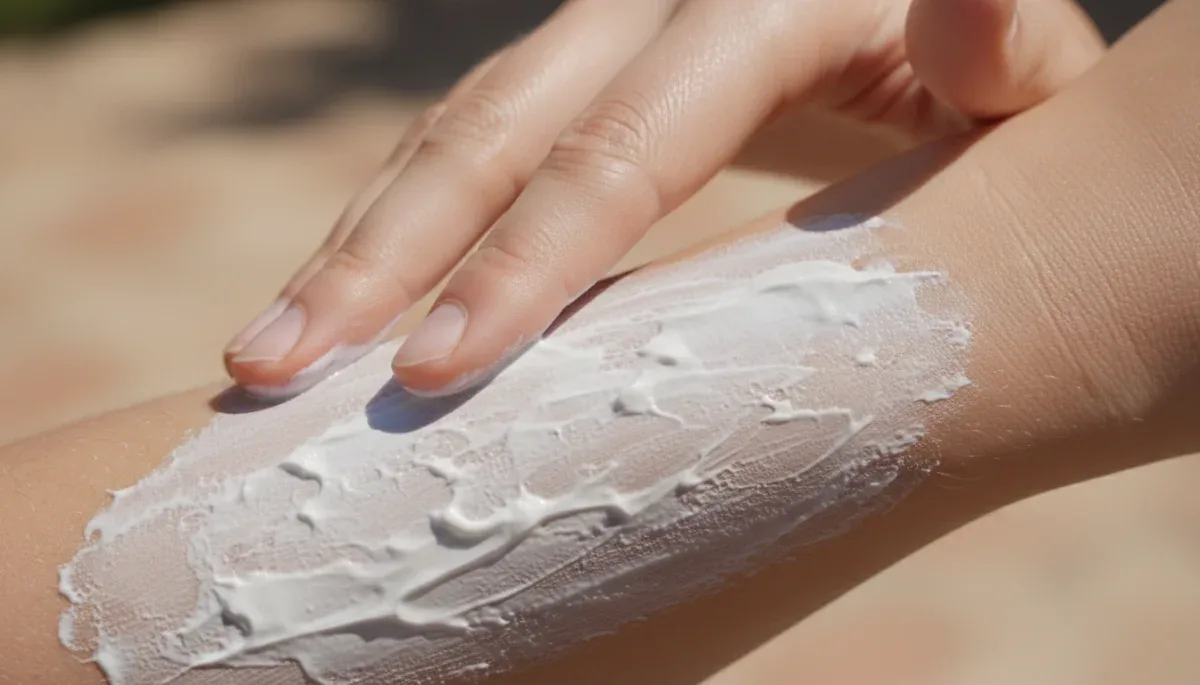
Physical sunscreens traditionally feel thicker and more occlusive. Zinc oxide and titanium dioxide are naturally white powders that do not dissolve in water or oil. While modern micronized and tinted mineral formulas have significantly reduced ghosting, un-tinted physical sunscreens can still cling to dry patches or leave a pale film. However, the slightly occlusive nature of mineral sunscreens can benefit dry or compromised skin by locking in underlying moisture throughout the day.
Application rules and photostability throughout the day
Both sunscreen types require proper application density to deliver their stated Sun Protection Factor (SPF). Most adults under-apply sunscreen, receiving only a fraction of the protection indicated on the product packaging.
To achieve the labeled protection, you must apply approximately one-quarter teaspoon (or roughly two finger lengths) to the face and neck combined. Chemical sunscreens require approximately fifteen to twenty minutes after application to settle fully into the skin before sun exposure begins. If you sweat or wash your face during that initial window, the protective layer can become patchy.
Physical sunscreens provide instant broad-spectrum protection the moment they form an even layer on the surface. However, because mineral formulas sit as a physical shield, they can be rubbed off more easily by face masks, hats, or hands. Both varieties degrade over time and must be reapplied every two hours during direct sun exposure, or immediately after swimming, heavy sweating, or towel drying, according to standard FDA guidelines.
Daily application best practices
- Apply on clean, moisturized skin: Allow your morning moisturizer to dry completely for two minutes before layering sunscreen.
- Use the two-finger measurement: Dispense two full strips of product along your index and middle fingers for the face and neck.
- Pat rather than aggressively rub: Patting mineral formulas helps distribute white pigment more evenly without pulling delicate skin.
- Allow setting time before makeup: Give the sunscreen three to five minutes to form a stable film before applying foundation or powder.
Choosing between tinted, hybrid, and pure formulas
The sunscreen market has expanded beyond strictly binary choices, offering hybrid blends and tinted variations designed to bridge the gap between protection and cosmetic elegance.
Tinted mineral sunscreens incorporate iron oxides alongside zinc oxide or titanium dioxide. The iron oxide pigments counteract the natural white cast of zinc, making the product wearable on a broader spectrum of skin tones. In addition to aesthetic benefits, published dermatological research notes that iron oxides help block visible light, including blue light, which can trigger melasma and post-inflammatory erythema in sensitive, pigment-prone skin.
Hybrid sunscreens combine physical and chemical filters in a single bottle to deliver high SPF ratings with less white cast and reduced filter concentrations. While hybrids can be well-tolerated by moderately sensitive complexions, highly reactive individuals may still experience flare-ups from the chemical filters present in the blend. Reading the active ingredient box on the back label remains essential before purchasing any daily product.
At a glance
| Factor | What to know |
|---|---|
| Active filter mechanism | Physical formulas reflect and absorb UV at the surface, while chemical formulas absorb UV into skin tissue. |
| Irritation potential | Physical filters rarely cause allergic contact dermatitis or eye stinging, making them ideal for reactivity. |
| Cosmetic appearance | Chemical options blend invisibly on all skin tones, whereas un-tinted physical sunscreens can leave a pale film. |
| Setting time | Physical formulas work immediately upon application, while chemical options require fifteen minutes to set. |
Frequently asked questions
Can physical sunscreen cause acne breakouts on sensitive skin?
Yes, physical sunscreen can cause breakouts if the inactive base contains pore-clogging oils or heavy waxes. While zinc oxide itself is non-comedogenic and mildly anti-inflammatory, the thick emollient vehicles used to suspend mineral powders can trap sebum if not cleansed thoroughly at night.
Do chemical sunscreens absorb into the bloodstream?
Yes, clinical studies by the FDA confirmed that several common chemical filters absorb through the skin into the bloodstream. While the FDA states this absorption does not mean the filters are unsafe, it has requested additional safety data, whereas zinc oxide and titanium dioxide remain generally recognized as safe.
Is mineral sunscreen safe to use around the eyes?
Yes, mineral sunscreen is generally well tolerated around the delicate orbital area. Zinc oxide and titanium dioxide do not migrate or create volatile vapors that induce chemical tearing or stinging, unlike avobenzone or octocrylene found in conventional chemical options.
How do I remove water-resistant physical sunscreen without irritating my skin?
Use a gentle double-cleanse method featuring a fragrance-free oil or micellar water followed by a mild water-based wash. This effectively dissolves mineral pigments and water-resistant polymers without requiring aggressive scrubbing that disrupts the sensitive skin barrier.
The bottom line
When weighing physical vs chemical sunscreen for sensitive skin, physical mineral formulas featuring zinc oxide provide the lowest risk of stinging, contact allergy, and inflammation. If white cast is a concern on your skin tone, opt for a tinted mineral version rather than defaulting to chemical filters. Before introducing any new daily sunscreen to your morning routine, patch test a dime-sized amount on your jawline for three consecutive days to verify barrier tolerance.
Written by
Lucas Bastos
Lucas Bastos writes about fashion & beauty, seasonal decor and smart home tech for papalions.com. Each article explains how things work, compares published details such as prices, policies and program rules, and points readers to the official source before they decide.