Smart Home Automation for Seniors: 12 Essential Devices
Ads
Smart home automation transforms senior living by integrating 12 essential devices that enhance safety, independence, and reduce care costs by up to 25% through medical alert systems, smart lighting, motion sensors, medication managers, voice assistants, and comprehensive security solutions.
Imagine a home that watches over your loved ones even when you cannot be there. Smart Home Automation for Seniors: 12 Essential Devices That Improve Safety and Reduce Care Costs by 25% represents a revolutionary approach to eldercare, combining cutting-edge technology with compassionate design. These intelligent systems work seamlessly together to create a safety net that allows seniors to maintain their independence while giving families peace of mind. The financial benefits are equally compelling, with families reporting significant reductions in care costs while improving the quality of life for their aging relatives.
Why Smart Home Technology Transforms Senior Living
The traditional approach to senior care often involves difficult decisions between independence and safety. Smart home automation bridges this gap by creating environments that adapt to the changing needs of older adults. These systems operate quietly in the background, providing assistance only when needed without infringing on daily routines or dignity.
Modern smart home solutions go beyond simple convenience. They create comprehensive ecosystems that monitor health metrics, prevent accidents, and facilitate quick responses during emergencies. The integration of artificial intelligence allows these systems to learn patterns and detect anomalies that might indicate health concerns or safety risks.
Key Benefits of Smart Home Integration
- 24/7 monitoring without intrusive cameras or constant supervision
- Immediate emergency response capabilities
- Reduced reliance on expensive in-home care services
- Improved quality of life through increased independence
- Early detection of health issues through pattern analysis
Families who implement these systems often discover that the initial investment pays for itself within months through reduced care costs and fewer emergency room visits. The technology becomes an extension of the family caregiver team, providing continuous support that human caregivers cannot maintain around the clock.
Medical Alert Systems and Emergency Response Devices
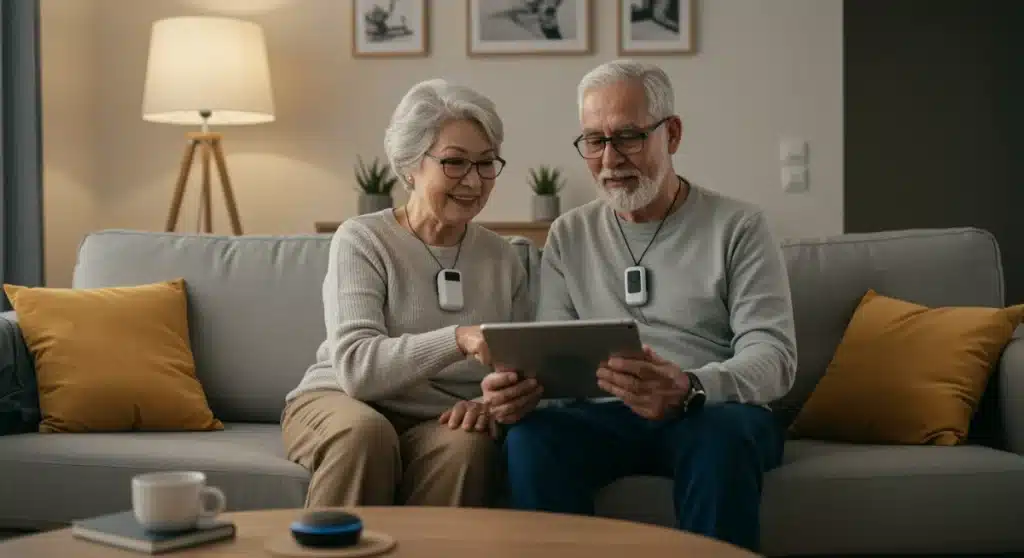
Medical alert systems form the foundation of any senior safety strategy. These devices have evolved far beyond the traditional “I’ve fallen and I can’t get up” pendants of previous generations. Modern systems offer comprehensive monitoring that includes fall detection, GPS location tracking, and direct connections to emergency services and family members.
The most advanced systems now incorporate machine learning algorithms that can distinguish between normal movements and actual falls, dramatically reducing false alarms while ensuring genuine emergencies receive immediate attention. Some devices even detect medical emergencies like cardiac events before the wearer becomes fully unconscious.
Types of Medical Alert Systems
- Wearable pendants with automatic fall detection
- Smart watches with health monitoring and SOS features
- Wall-mounted emergency buttons in high-risk areas
- Mobile GPS units for seniors who are still active outside the home
- Integrated systems connecting to smartphone apps for family notification
When selecting a medical alert system, consider the specific needs and lifestyle of the senior. Active seniors benefit from mobile GPS-enabled devices, while those with mobility issues might need comprehensive coverage throughout their living space. The best systems offer cellular connectivity rather than relying on home Wi-Fi, ensuring reliability during power outages.
Smart Lighting and Environmental Controls
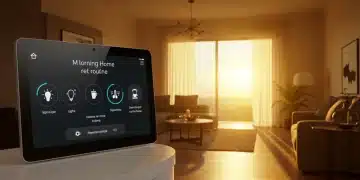
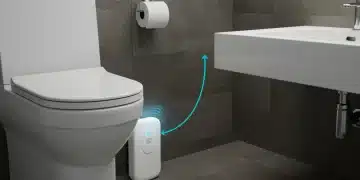
Poor lighting contributes to thousands of senior falls each year. Smart lighting systems address this risk by automatically illuminating pathways, bathrooms, and stairs during nighttime hours. These systems use motion sensors to detect movement and provide appropriate lighting without requiring seniors to fumble for switches.
Beyond fall prevention, smart lighting supports circadian rhythm regulation, which becomes increasingly important as people age. Proper lighting schedules can improve sleep quality, reduce confusion during evening hours, and support overall health outcomes. Some systems even simulate natural sunlight patterns to help seniors maintain regular sleep-wake cycles.
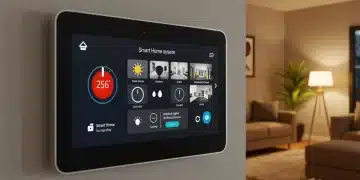
Environmental controls extend beyond lighting to include smart thermostats that maintain comfortable temperatures while preventing dangerous overheating or cooling. These devices learn preferred temperature settings and automatically adjust based on time of day and occupancy, ensuring comfort while optimizing energy efficiency.
Smart Lighting Features for Senior Safety
- Motion-activated path lighting for nighttime navigation
- Automatic dimming to prevent glare and disorientation
- Color temperature adjustment for different activities and times of day
- Voice-controlled lighting for those with mobility limitations
- Integration with other smart home devices for coordinated responses
The installation of smart lighting is one of the most cost-effective improvements families can make. Most systems require no special wiring and can be installed in existing fixtures within hours. The return on investment becomes clear quickly when considering the potential medical costs of fall-related injuries.
Motion Sensors and Fall Detection Technology
Motion sensors represent the silent guardians of smart home safety systems. These unobtrusive devices monitor activity patterns throughout the home, alerting families when something seems wrong. The technology has become sophisticated enough to distinguish between normal activities and concerning patterns that might indicate illness, confusion, or falls.
Advanced fall detection uses a combination of sensors, including those placed on the body and throughout the environment. When a fall is detected, the system automatically contacts emergency services and notifies designated family members. This rapid response can be literally life-saving, as falls often result in serious complications when seniors lie unattended for extended periods.
Privacy concerns often arise with monitoring systems, but modern solutions address these worries effectively. Most motion sensors detect presence and movement without capturing identifiable images or audio. Seniors can maintain their dignity and privacy while still benefiting from comprehensive safety monitoring.
Types of Motion and Fall Detection Sensors
- Passive infrared sensors for room occupancy and activity monitoring
- Pressure mats placed under rugs or mattresses to detect movement
- Accelerometer-based wearable devices for fall detection
- Smart floor tiles that sense weight and pressure patterns
- Bed exit sensors for those at risk of wandering or falling out of bed
The placement of sensors requires thoughtful consideration. High-risk areas like bathrooms, bedrooms, and stairways benefit from comprehensive coverage, while less critical areas might need minimal monitoring. Working with a professional installer can help optimize sensor placement for specific situations.
Smart Medication Management Systems
Medication mismanagement represents one of the most common and dangerous problems facing seniors. Smart medication management systems address this challenge through automated dispensers, reminder systems, and monitoring capabilities that ensure proper medication adherence while protecting against accidental overdoses or missed doses.
Modern medication dispensers go beyond simple reminders. They lock medications until the correct dosage is due, provide audio and visual alerts, and can notify family members or healthcare providers if doses are missed. Some advanced systems even integrate with pharmacy services to automatically refill prescriptions when supplies run low.
The connection between medication management and overall health outcomes cannot be overstated. Seniors who properly manage their medications experience fewer hospitalizations, better chronic disease control, and improved quality of life. The cost of these systems is minimal compared to the expenses associated with medication-related complications.
Features of Smart Medication Systems
- Programmable dispensers with locked compartments
- Multi-dose packaging for complex medication schedules
- Bluetooth connectivity to smartphone apps for monitoring
- Integration with voice assistants for verbal reminders
- Alert systems for missed doses or incorrect administrations
When implementing medication management systems, involve the senior’s healthcare providers in the planning process. Some systems require prescriptions or professional setup to ensure proper programming. Family members should also have access to monitoring information while respecting the senior’s autonomy as much as possible.
Voice Assistants and Communication Devices
Voice assistants have emerged as powerful tools for senior independence. These devices allow hands-free control of the home environment, easy communication with family members, and quick access to information and entertainment. For seniors with vision impairments or mobility limitations, voice control eliminates many barriers to technology use.
Beyond convenience, voice assistants serve critical safety functions. Seniors can use voice commands to call for help, control smart home devices during emergencies, or simply check in with family members. The always-on nature of these devices means help is available even when the senior cannot reach a phone or pendant.
Communication features extend to video calling capabilities that help seniors maintain social connections. Isolation and loneliness represent significant health risks for seniors, and regular video contact with family and friends can improve mental health and overall wellbeing. Smart displays make video calling as simple as speaking a name.
Voice Assistant Capabilities for Seniors
- Hands-free control of lights, thermostats, and other smart devices
- Voice-activated calling to family members or emergency services
- Medication reminders and health information retrieval
- Audiobooks, music, and entertainment access
- Video calling through smart display devices
Privacy settings require careful attention when setting up voice assistants for seniors, particularly those with cognitive impairments. While maintaining convenience, families should configure appropriate security measures and consider whether voice recording features should be limited or disabled.
Smart Security Systems for Senior Safety
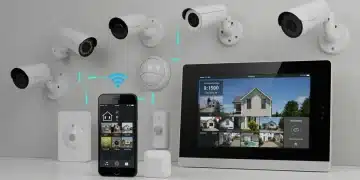
Comprehensive security systems protect seniors from both external threats and internal dangers. Modern smart security integrates door and window sensors, cameras, smart locks, and environmental monitors to create complete protection networks. These systems alert families and authorities to break-ins, fires, gas leaks, and water leaks.
Door and window sensors provide the first line of security, detecting unauthorized entry and triggering immediate alerts. Smart locks allow remote locking and unlocking, eliminating the need for keys that might be lost or forgotten. For seniors with memory issues, automatic locking provides peace of mind without requiring manual action.
Environmental sensors address dangers that might not occur to younger adults. Carbon monoxide detectors, smoke alarms, and water leak sensors can prevent disasters before they occur. These devices provide early warnings that allow seniors to evacuate safely or, in some cases, automatically alert emergency services.
Essential Security Components
- Door and window sensors with instant mobile alerts
- Smart locks with remote access and automatic locking
- Video doorbells for visitor identification without opening doors
- Carbon monoxide and smoke detectors with smart notifications
- Water leak sensors near appliances and in basements
The psychological benefits of security systems should not be underestimated. Seniors who feel safe in their homes experience less anxiety and maintain better mental health. This sense of security often enables them to remain independent longer than they might otherwise feel comfortable doing.
Financial Impact and Cost Reduction Analysis
The financial case for smart home automation becomes compelling when examining the full scope of benefits. While initial setup costs vary depending on the complexity of the system, most families find that the return on investment appears within 12-18 months through reduced care costs, fewer medical emergencies, and delayed need for assisted living facilities.
Research indicates that comprehensive smart home systems can reduce care costs by up to 25% through multiple mechanisms. Emergency response systems prevent costly hospitalizations. Medication management reduces complications from improper dosing. Fall detection and prevention eliminate expensive rehabilitation stays. The cumulative effect can represent tens of thousands of dollars in savings annually.
Many insurance providers and government programs now offer incentives for smart home installations. Long-term care insurance policies increasingly cover technology investments that delay or reduce the need for paid care. Some Medicare Advantage plans include smart home benefits as part of their coverage. Families should investigate available programs when planning their implementations.
Cost Reduction Strategies
- Start with essential devices and expand gradually based on needs
- Choose systems that integrate to avoid duplicate purchases
- Take advantage of available insurance incentives and rebates
- Consider DIY installation options where appropriate
- Prioritize devices with the highest impact on safety and cost reduction
The decision to invest in smart home technology should consider both immediate needs and long-term planning. Starting with foundational systems allows families to build comprehensive solutions over time while managing costs effectively. The flexibility of modern systems means that upgrades and additions can happen as needs evolve.
| Device Category | Primary Benefits |
|---|---|
| Medical Alert Systems | Emergency response, fall detection, 24/7 monitoring |
| Smart Lighting | Fall prevention, circadian rhythm support, hands-free control |
| Medication Management | Adherence support, overdose prevention, refill automation |
| Security Systems | Intrusion detection, environmental monitoring, remote access |
Frequently Asked Questions
Basic smart home systems for seniors start around $200-500 for individual devices, while comprehensive installations can range from $1,500 to $5,000 or more. The investment pays for itself within 12-18 months through reduced care costs and fewer medical emergencies. Many insurance programs and Medicare Advantage plans offer incentives or coverage for these technologies.
Many smart home devices are designed for DIY installation and can be set up without professional help. Simple devices like smart bulbs, plugs, and speakers require minimal technical knowledge. More complex systems involving security cameras, integrated hubs, or whole-home monitoring may benefit from professional installation to ensure optimal placement and configuration.
Modern senior-focused smart home devices prioritize privacy by using motion sensors that detect presence without capturing video or audio in most cases. Wearable devices typically store data locally or use encrypted connections. Families can configure privacy settings, disable recording features when appropriate, and choose devices from reputable manufacturers with strong security practices.
Smart home technology offers significant benefits for seniors with cognitive impairments. GPS trackers prevent wandering, smart locks reduce elopement risk, and medication dispensers prevent accidental overdoses. Motion sensors can detect concerning patterns like frequent bathroom visits at night. These systems should complement, not replace, human supervision for those with advanced dementia.
Many smart home systems include cellular backup or offline functionality for critical features. Medical alert devices typically work independently of home internet. Some systems store backup routines locally and continue basic functions during outages. When selecting devices, prioritize those with cellular connectivity or battery backup to ensure continuous protection.
Conclusion
Smart home automation represents a transformative approach to senior care that balances safety with independence. The twelve essential devices explored in this article work together to create comprehensive protection networks that reduce care costs by up to 25% while improving quality of life for aging adults. From medical alert systems that provide immediate emergency response to smart lighting that prevents dangerous falls, each technology contributes to a safer, more supportive home environment. Families implementing these solutions find that the investment pays dividends in peace of mind, reduced care expenses, and extended independence for their loved ones. The future of senior care lies in thoughtful technology integration that empowers aging adults to live safely and dignifiedly in the homes they love.