Automate Your Morning Routine: 7 Smart Home Routines That Save 45 Minutes Daily in 2026
Ads
This guide explores seven practical smart home routines that automate daily morning tasks, saving you approximately 45 minutes each day while streamlining your entire wake-up experience through intelligent device integration.
Morning chaos feels universal. You hit snooze once, then twice, and suddenly you’re rushing through everything—searching for your keys, waiting for coffee, adjusting the thermostat while juggling breakfast. What if your home could handle these tasks while you simply wake up? Automate Your Morning Routine: 7 Smart Home Routines That Save 45 Minutes Daily in 2026 is no longer a futuristic fantasy—it’s today’s reality. Smart home technology has matured enough to transform your entire morning experience, handling repetitive tasks so you can focus on what truly matters. This guide walks through seven practical routines that integrate seamlessly into daily life, each designed to reclaim precious minutes without requiring technical expertise.
The Foundation: Building Your Smart Morning Ecosystem
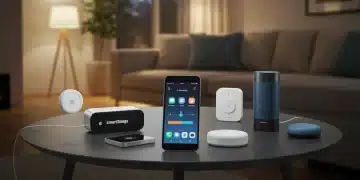
Before diving into specific routines, understanding how smart home devices communicate forms the backbone of effective automation. Most modern smart homes rely on a central hub or platform—Apple HomeKit, Google Home, Amazon Alexa, or Samsung SmartThings—that connects disparate devices into a unified system. This integration allows devices to respond to triggers without manual intervention, whether those triggers are time-based, location-based, or sensor-driven.
The real magic happens when devices work together. Your alarm doesn’t just wake you; it signals the blinds to open, the coffee maker to start, and the thermostat to adjust. This orchestration eliminates the mental load of coordinating multiple tasks. The initial setup takes some thought, but once configured, your morning runs on autopilot.
Essential Components for Morning Automation
- Smart Hub: Central command center connecting all devices reliably
- Smart Lights: Bulbs or strips that simulate natural sunrise progression
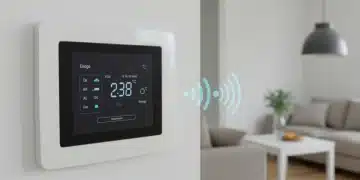
- Smart Thermostat: Learns preferences and adjusts temperature automatically
- Smart Plugs: Control traditional devices like coffee makers or fans
- Smart Blinds: Motorized window treatments scheduled to open with your alarm
These components form the foundation upon which all seven routines operate. Investing in compatible devices ensures smooth integration and prevents the frustration of devices that refuse to communicate. Most major brands now offer Matter-compatible devices, a new standard that simplifies cross-platform compatibility significantly.
Wake-Up Lighting: Simulating Natural Sunrise
Artificial alarm clocks jolt your system awake abruptly, often leaving you feeling groggy. Smart lighting solves this by simulating natural dawn—gradual light that aligns with your circadian rhythm. Instead of a jarring buzz, gentle illumination signals your body to wake naturally, improving energy levels throughout the day.
Setting up wake-up lighting requires scheduling your bedroom lights to gradually increase intensity over 20-30 minutes before your intended wake time. Many smart bulbs offer pre-programmed sunrise modes that handle this automatically. The color temperature shifts from warm amber to bright daylight, mimicking the sun’s natural progression.
Beyond convenience, this approach offers measurable health benefits. Studies consistently show that natural light exposure upon waking improves mood, sharpens focus, and regulates sleep patterns. Your body responds to this gradual illumination as it would to actual daylight, making the transition from sleep to wakefulness remarkably smoother.
Pairing wake-up lighting with other routines amplifies its effectiveness. When your lights begin their gradual brightening, your coffee maker can start simultaneously, creating a multi-sensory wake-up experience that feels luxurious rather than mechanical.
Automated Coffee: Fresh Brew Waiting for You
The aroma of fresh coffee is synonymous with morning motivation. Smart coffee makers eliminate the wait, delivering your first cup precisely when you need it—without any manual intervention beyond your initial setup.
Modern smart coffee makers connect to your home network, allowing scheduling through dedicated apps or integration with your broader smart home platform. You can set your brew time to align exactly with your wake-up lighting, ensuring that when you step out of bed, coffee is ready or nearly finished.
Smart Coffee Integration Options
- Scheduled Brewing: Set exact brew start times for each day of the week
- Voice Activation: Request coffee through Alexa, Google Assistant, or Siri
- Geofencing: Brewing starts when your phone approaches home
- Routine Triggers: Coffee begins when wake-up lighting activates
Some advanced models offer even more granular control. You can adjust brew strength, specify bean types, or customize serving sizes through app interfaces. Imagine programming your coffee maker to prepare a stronger brew on Monday mornings when you need extra boost, or a lighter option for relaxed weekend mornings.
The time savings accumulate subtly but significantly. Eliminating the five to ten minutes spent waiting for coffee to brew, grinding beans, or prepping your machine adds up to roughly 35-70 hours annually—time you recover for more meaningful activities.
Climate Control: Perfect Temperature Without Touching a Dial
Walking into a cold bathroom or overheated bedroom disrupts morning momentum. Smart thermostats eliminate temperature guesswork by learning your preferences and adjusting proactively. You wake to comfort without lifting a finger.
Modern smart thermostats build detailed profiles of your home’s heating and cooling patterns. They account for weather forecasts, occupancy, and time of day to maintain ideal conditions automatically. Many offer geofencing capabilities, detecting when you’re approaching home and adjusting accordingly.
Setting up morning climate routines involves scheduling temperature adjustments to occur 15-30 minutes before you typically wake. Your bathroom reaches a comfortable temperature first, followed by bedrooms and living spaces. This staged approach ensures every room you encounter feels welcoming.
Energy savings complement the convenience. Most smart thermostats reduce heating and cooling waste by 10-15%, paying for themselves within the first year. You enjoy comfort while simultaneously lowering utility bills—a rare combination of luxury and practicality.
Smart Blinds: Natural Light on Your Schedule
Motorized blinds transform your relationship with natural light. Rather than relying on harsh alarm clocks or unpredictable weather, you control exactly when and how much sunlight enters your space. This control directly impacts your energy levels and daily productivity.
Programming blinds to open gradually synchronized with your wake-up lighting creates a comprehensive morning simulation. The combination of increasing light and rising temperatures signals your body to transition from sleep to wakefulness naturally. Many users report significantly reduced grogginess compared to traditional alarm methods.
Installation has become remarkably straightforward. Battery-powered options require no electrical work, while hardwired models offer permanent solutions. Most smart blinds integrate with major home platforms, allowing voice control, scheduling, and routine integration. You can even program different settings for weekdays versus weekends, accommodating varying schedules without manual adjustment.
Beyond morning use, smart blinds contribute to energy efficiency throughout the day. Automatic scheduling prevents afternoon overheating, reducing cooling costs during summer months. The investment pays dividends across multiple dimensions—comfort, convenience, and cost savings.
Automated Security: Peace of Mind Without Morning Checks
Morning routines often include security rituals—checking locks, verifying cameras, ensuring alarm systems status. Smart home security automates these checks, providing comprehensive protection without consuming your attention.
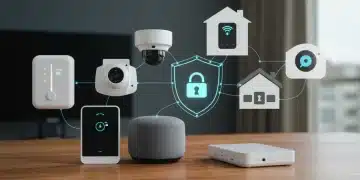
Integrating smart locks, cameras, and alarm systems into your morning routine eliminates manual verification. Your system can automatically disarm when you wake, lock exterior doors at a specified time, or provide a verbal status update through smart speakers. Voice commands like “Good morning, what’s the security status?” deliver instant reassurance.
Security Automation Components
- Smart Locks: Auto-lock after departure, remote monitoring
- Security Cameras: Motion alerts, live viewing through apps
- Motion Sensors: Detect activity in designated areas
- Smart Doorbells: Video verification of visitors before answering
The psychological benefit extends beyond convenience. Knowing your home secures itself automatically reduces cognitive load and anxiety. You can focus on your day confidently, trusting that your property remains protected without morning verification routines consuming precious minutes.
Multi-Device Routines: Orchestrating Your Entire Morning
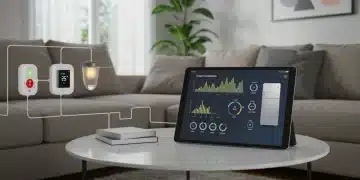
Individual automations deliver significant value, but combining them into cohesive routines multiplies benefits. Smart home platforms excel at orchestrating multiple devices responding to single triggers, creating seamless morning experiences that feel genuinely intelligent.
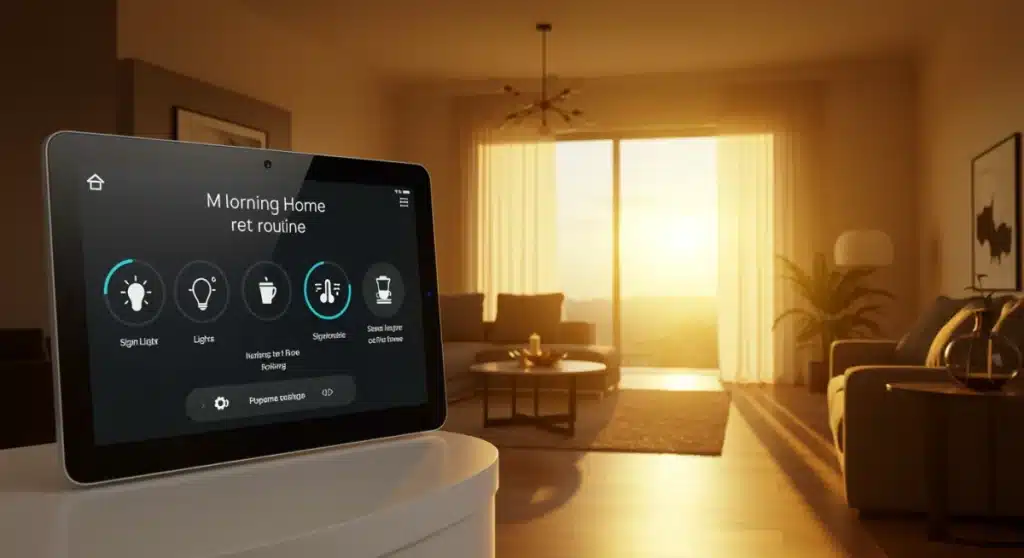
Creating a comprehensive morning routine involves establishing a trigger—typically your alarm—and defining sequential or simultaneous actions for all connected devices. Your wake-up lighting begins first, followed by blinds opening, thermostat adjusting, and coffee maker starting. Smart speakers can announce the time, weather, and calendar appointments through voice announcements.
Modern platforms offer remarkable customization. You can create different routines for weekdays and weekends, adjust routines seasonally, or modify behavior based on weather conditions. Rainy mornings might trigger different lighting and blinds settings than sunny ones, ensuring your home responds appropriately to actual conditions rather than rigid schedules.
The time savings from consolidated routines exceed the sum of individual automations. Rather than managing seven separate processes, you interact with one integrated system—or simply let it run automatically. This simplification reduces mental overhead while maximizing practical efficiency.
Voice-Controlled Mornings: Hands-Free Efficiency
Sometimes you need adjustments that fall outside your standard routine. Voice control provides instant flexibility without reaching for phones or walking to switches. Smart speakers scattered throughout your home create an omnipresent control interface.
Morning voice commands handle countless scenarios. “Good morning” triggers your full routine. “Turn on the bathroom lights” addresses early needs before the main routine activates. “Play my morning playlist” starts your preferred wake-up music. “Add eggs to my shopping list” captures thoughts before they disappear.
Integration with calendar systems adds particular value. Voice queries like “What’s on my calendar today?” or “Do I have any meetings this morning?” provide instant information while you’re getting ready. This hands-free access to information keeps your routine flowing smoothly without interruptions for phone checks.
Family households benefit enormously from voice control. Multiple family members can customize their own morning experiences while sharing a unified platform. Voice recognition technology increasingly identifies different household members, delivering personalized responses based on who speaks.
| Smart Routine | Time Saved |
|---|---|
| Wake-Up Lighting | 10-15 minutes (reduced grogginess, no alarm fumbling) |
| Automated Coffee | 5-10 minutes (no waiting for brewing) |
| Climate Control | 3-5 minutes (no manual thermostat adjustment) |
| Security Automation | 5-7 minutes (no manual security checks) |
Frequently Asked Questions
Initial investment varies based on device selection, ranging from $200-500 for basic setups to $800-1500 for comprehensive systems. Most users recover costs within 12-18 months through energy savings and increased productivity. Starter kits with essential devices often begin around $150-200, providing sufficient foundation for meaningful automation.
Modern smart home devices prioritize user-friendly interfaces, making setup accessible to non-technical users. Most devices offer plug-and-play installation with guided app setup processes. Basic routines can be created in 10-15 minutes using intuitive mobile apps. Complex multi-device orchestration may require more planning but rarely demands technical skills beyond comfortable smartphone usage.
Most smart home systems offer limited offline functionality through local automation rules, though cloud-dependent features require connectivity. Many devices include manual override capabilities, allowing traditional operation during outages. Investing in a reliable mesh Wi-Fi system and understanding your devices’ offline capabilities ensures morning routines continue smoothly regardless of internet issues.
Absolutely. Many smart devices require no permanent installation—battery-powered smart bulbs, plug-in smart switches, and portable smart speakers work perfectly in rentals. These devices travel with you when moving, making them excellent investments for non-homeowners. Always verify lease agreements regarding permanent modifications before installing hardwired devices.
Most users experience immediate time savings once routines activate, though full benefits emerge within the first two weeks as you refine automation settings. Initial setup requires 2-4 hours for comprehensive systems, but daily time savings accumulate immediately. The 45-minute figure represents cumulative savings from multiple automated tasks working in concert after optimization.
Conclusion
Reclaiming 45 minutes each morning doesn’t require dramatic lifestyle overhauls—it requires intelligent automation working on your behalf. The seven routines outlined here transform chaotic mornings into streamlined experiences where your home handles the logistics while you focus on starting your day well. From wake-up lighting that respects your natural rhythms to security systems that protect without requiring attention, each automation contributes meaningful minutes back to your morning.
The beauty of smart home morning routines lies in their scalability. You can start with a single automation—perhaps smart lights or a coffee maker—and expand gradually as you experience the benefits. Every device added enhances the ecosystem, creating increasingly sophisticated routines that feel less like technology and more like living with an attentive assistant. Start small, refine continuously, and watch as your mornings transform from frantic scrambles to peaceful beginnings.