Data-Driven Analysis: Which Seasonal Decor Investments Yield the Highest ROI
Ads
Analysis of resale data and market trends reveals that quality artificial holiday displays, versatile neutral-toned decor pieces, and timeless seasonal accessories consistently deliver the highest return on investment for homeowners.
When you think about decorating your home for the seasons, have you ever wondered which purchases actually hold their value? The Data-Driven Analysis: Which Seasonal Decor Investments Yield the Highest Return on Investment reveals patterns that might surprise you. By examining resale marketplace data, retail pricing trends, and consumer purchasing behavior, we can identify which seasonal decor items deliver genuine value beyond their initial price tag. Whether you are a budget-conscious homeowner or someone who treats their living space as an investment, understanding these patterns helps you make smarter decisions.
Understanding Seasonal Decor Value Retention
Not all seasonal decor is created equal when it comes to maintaining its worth. Some items depreciate rapidly after their holiday passes, while others retain or even increase in value over time. The key lies in understanding what drives demand in the resale market and which characteristics make certain pieces more valuable than others.
Quality matters enormously in this equation. Items constructed from premium materials such as hand-blown glass, solid wood, or natural fabrics consistently outperform their mass-produced counterparts. These pieces resist the wear and tear that diminishes value, and their craftsmanship appeals to buyers seeking longevity in their own purchases.
Factors That Determine Decor Value
- Material quality and construction durability
- Timelessness versus trend-dependent design
- Brand recognition and collector appeal
- Original packaging and documentation
- Condition after multiple seasons of use
Storage practices also play a critical role in value retention. Items that arrive damaged or showing significant wear lose substantial resale value, sometimes dropping to less than twenty percent of their original retail price. Proper storage in climate-controlled environments, away from moisture and pests, preserves both appearance and structural integrity.
Holiday-Specific ROI Analysis
Each holiday brings its own decor market dynamics. Christmas decorations consistently dominate the resale landscape, with artificial trees, vintage ornaments, and premium nativity sets commanding strong secondary market prices. The data shows that quality Christmas items retain approximately forty to sixty percent of their original value when resold within two years of purchase.
Halloween decor presents an interesting case. While many items are purchased as disposable decorations, certain categories hold remarkable value. Antique or vintage Halloween items, particularly those from the mid-twentieth century, can actually appreciate significantly. However, contemporary mass-produced Halloween decor typically loses seventy percent or more of its value within the first year.
Top Performing Holiday Categories
- Artificial Christmas trees (premium brands): 45-60% value retention
- Vintage holiday ornaments: Can appreciate 100%+ over original price
- Professional-grade outdoor lighting: 40-50% value retention
- Quality nativity sets: 35-55% value retention
- Collectible holiday figurines: 50-80% value retention
Thanksgiving and Easter decor generally show weaker resale performance, with most items retaining only twenty to thirty percent of their original value. These holidays tend to feature more disposable, trend-driven items that lose appeal quickly as styles change.
Strategic Investment Approaches
Building a seasonal decor collection that holds value requires deliberate strategy. The most successful approach focuses on purchasing items that transcend specific holidays and integrate into your existing home aesthetic. These versatile pieces provide value both in daily use and in potential resale.
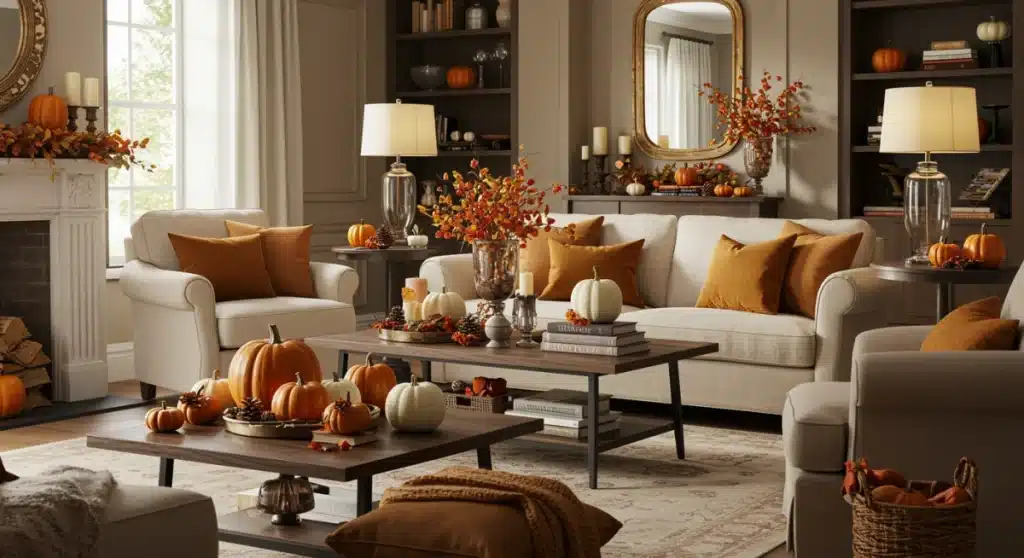
Neutral-toned decor in whites, creams, naturals, and metallics tends to maintain value because it adapts to changing trends more easily. A high-quality white porcelain pumpkin, for instance, works during autumn but also displays beautifully year-round as part of a minimalist display. These pieces avoid the dated appearance that plagues holiday-specific items.
Consider your purchases as investments in your home’s overall aesthetic rather than isolated holiday expenses. Items that coordinate across multiple seasons and complement your permanent decor provide double duty, increasing their inherent value regardless of resale potential.
Investment-Grade Decor Characteristics
- Natural materials: wood, glass, metal, ceramic, natural textiles
- Minimal branding that allows versatile styling
- Solid construction with attention to detail
- Classic designs that resist dating
- Appropriate scale for various display options
The initial investment in quality pieces often proves more economical over time. While premium items carry higher upfront costs, their longevity and value retention frequently make them the smarter financial choice compared to cheaper alternatives that require replacement after one or two seasons.
Resale Market Dynamics
Understanding where and when to sell seasonal decor significantly impacts returns. Resale platforms each serve different market segments, and selecting the appropriate venue maximizes your potential recovery. Estate sales and auction houses handle higher-end items effectively, while online marketplaces reach broader audiences for mid-range pieces.
Timing correlates strongly with sale success. Christmas items command premium prices during September through November when buyers are planning their holiday displays. Selling summer decor in early spring captures buyers preparing for outdoor entertaining season. Understanding these cycles helps you time listings for maximum interest and optimal pricing.
Presentation affects perceived value substantially. Items photographed in attractive settings with good lighting sell faster and at higher prices than poorly presented alternatives. Including original packaging, receipts, or certificates of authenticity adds credibility and justifies higher asking prices.
Optimal Resale Platforms by Category
- Premium and vintage items: Estate sales, auctions, specialty dealers
- Mid-range quality: eBay, Etsy, dedicated Facebook groups
- Mass-market items: Local consignment, donation for tax purposes
- Complete sets: Specialty retailers, decorator networks
- Limited edition pieces: Collector forums, auction platforms
Building relationships with buyers in your local market can lead to repeat purchases and referrals, creating a sustainable cycle of investing, enjoying, and reselling seasonal decor.
Seasonal Decor as Home Value Enhancement
Beyond direct resale value, seasonal decor contributes to your home’s overall appeal and marketability. Well-designed seasonal displays create emotional connections for potential buyers, helping them envision themselves living in the space. This psychological factor can influence showings and potentially affect sale prices.
Professional staging often incorporates seasonal elements precisely because they help properties feel more welcoming and lived-in. Investing in quality decor that enhances your home’s appearance serves dual purposes: enjoyment during your tenure and potential return when you sell.
Storage solutions represent an often-overlooked aspect of seasonal decor investment. High-quality storage containers, garment bags for textile items, and organized systems protect your investments and maintain their condition. The cost of proper storage is minimal compared to the value it preserves.
High-Impact Seasonal Updates
- Entryway transformations with seasonal wreaths and door decor
- Dining table centerpieces for entertaining emphasis
- Living room textile updates (throws, pillows, curtains)
- Outdoor living space seasonal staging
- Window treatments reflecting seasonal palettes
Focusing investment on visible, high-impact areas maximizes the return on your decorating budget, whether your goal is personal enjoyment or future resale value.
Long-Term Collectible Potential
Certain seasonal decor categories appreciate significantly over time, functioning more like collectibles than consumable purchases. Understanding which items fall into this category helps you make investment decisions that could potentially generate returns exceeding your original expenditure.
Limited edition releases from renowned manufacturers often appreciate as they become rare. Department 56 villages, possible worlds figures, and certain brand ornaments have demonstrated consistent value growth over decades. Researching these markets reveals opportunities for strategic purchasing.
Antique and vintage seasonal items represent another appreciation category. Authentic vintage holiday decorations, particularly from the Victorian through mid-century modern periods, command premium prices among collectors. While these require significant expertise to authenticate and evaluate, they offer substantial returns for knowledgeable buyers.
Collectible Categories to Watch
- Limited edition ornaments from major manufacturers
- Vintage European holiday cards and paper decorations
- Antique glass ornaments (particularly European origin)
- Mid-century modern holiday decor
- Handcrafted artisan seasonal pieces
Building a collection focused on appreciation potential requires research, patience, and sometimes substantial upfront investment. However, for those who approach seasonal decorating as both passion and investment, the returns can be remarkable.
Data-Backed Purchasing Strategies
Armed with market data and resale analysis, you can develop purchasing strategies that optimize value retention. The most effective approach combines quality focus, timing awareness, and strategic diversification across decor categories.
Post-season sales offer significant discounts, sometimes reaching seventy percent off original retail prices. While selection is limited, strategic buyers can acquire quality items at substantial savings. The key is knowing which items hold value and focusing purchases on those categories even when the discounts tempt you toward less valuable merchandise.
Bundle purchases often provide better value than individual item buying. Complete sets in good condition command premium prices compared to scattered individual pieces. When possible, purchase complete collections and maintain their integrity through careful storage.
Smart Buying Tactics
- Shop post-season clearance sales (January and July)
- Purchase complete sets rather than individual pieces
- Focus on neutral colors for maximum versatility
- Invest in storage simultaneously with purchases
- Track original prices for accurate resale pricing
Documenting purchases with receipts and photos creates an asset record that proves valuable during resale. Organized records also help you track your actual returns and refine strategies over time.
| Decor Category | Value Retention |
|---|---|
| Premium Artificial Trees | 45-60% retention over 2-3 years |
| Vintage Ornaments | Can appreciate 100%+ depending on rarity |
| Quality Textile Sets | 35-50% retention with proper care |
| Neutral Versatile Pieces | 40-55% retention across multiple seasons |
Frequently Asked Questions
Premium artificial Christmas trees, vintage or limited edition ornaments, and high-quality natural material pieces (wood, glass, ceramic) consistently hold the most value. Neutral-toned decor that works across multiple seasons also retains value better than holiday-specific items.
The optimal resale window varies by category, but generally two to three years provides the best balance between value retention and recovery of use. Christmas items sell best in fall, so purchasing in post-season sales and selling the following year maximizes returns.
Quality seasonal decor can enhance a home’s appeal to potential buyers by creating emotional connections and showing the property in its best light. Professional stagers often incorporate seasonal elements specifically because they help buyers envision themselves in the space.
Store items in climate-controlled environments away from moisture and extreme temperatures. Use appropriate containers for each category: garment bags for textiles, original boxes for fragile items, and acid-free tissue for paper decorations. Label all boxes clearly for easy retrieval.
Absolutely, provided you focus on quality items that hold value rather than simply buying whatever is discounted. The best strategy involves researching which categories retain value, then targeting those items during post-season clearance events when prices drop seventy percent or more.
Conclusion
Making smart seasonal decor investments requires understanding market dynamics, focusing on quality over quantity, and maintaining items properly throughout their lifecycle. The data clearly shows that premium materials, timeless designs, and versatile pieces consistently outperform disposable alternatives in value retention. By applying these insights to your purchasing decisions, you can build a seasonal decor collection that brings joy during use while maintaining meaningful value for future resale or enhancing your home’s market appeal when the time comes to move on.