Smart Water Leak Detectors: Prevent $8,000 Damage (2026 Guide)
Ads
Smart water leak detectors are essential IoT devices that alert homeowners to water leaks before they cause catastrophic damage, potentially saving up to $8,000 in repairs.
Water damage ranks among the most common and costly disasters affecting American homeowners. A single burst pipe or undetected leak can quickly escalate into thousands of dollars in repairs, mold remediation, and structural damage. Fortunately, Smart Water Leak Detectors That Prevent $8,000 in Damage: 2026 Market Analysis and Installation Guide technology has evolved dramatically, offering proactive solutions that catch leaks early and alert you instantly—before small problems become financial nightmares.
Understanding Water Damage Costs in American Homes
Before diving into the technology, it’s worth understanding why water leak detection matters so much in the United States. Insurance claims data consistently shows that water damage ranks second only to wind and hail storms in terms of frequency and cost. The average water damage claim now exceeds $8,000, with some incidents reaching well into five figures when mold remediation becomes necessary.
What makes water particularly insidious is its ability to spread silently. A small leak behind a wall or under a foundation can go unnoticed for weeks or months, compromising structural integrity and creating unhealthy mold conditions. Traditional homeowners insurance often covers sudden and accidental water damage, but many policies exclude gradual leaks that result from poor maintenance—making prevention not just wise but financially critical.
Common Sources of Household Water Leaks
- Supply lines to washing machines and dishwashers
- Water heater tanks and connections
- Toilet supply lines and wax seals
- Under-sink pipes in kitchens and bathrooms
- Exterior foundation cracks allowing groundwater infiltration
These vulnerable points represent the primary targets for smart leak detection technology. By placing sensors strategically in these areas, homeowners gain early warning systems that can mean the difference between a $50 fix and an $8,000 nightmare.
How Smart Water Leak Detectors Work
Modern smart water leak detectors operate on a surprisingly simple principle: they detect the presence of water where it shouldn’t be and immediately notify the homeowner through multiple channels. The technology combines sensitive probe sensors with wireless connectivity to create a comprehensive early warning network throughout your home.
At their core, these devices feature two or more metal probes that complete an electrical circuit when water bridges them. This triggers the alarm and sends a signal to your home’s WiFi network or a dedicated hub. The best systems offer multiple notification methods including smartphone push notifications, text messages, email alerts, and loud audible alarms that can be heard throughout the house.
Key Components of a Smart Leak Detection System
- Water sensor probes placed in vulnerable locations
- Wireless connectivity (WiFi, Z-Wave, or Zigbee) for communication
- Central hub or cloud-based processing for alerts
- Mobile app integration for remote monitoring
- Optional automatic water shutoff valve integration
The most sophisticated systems integrate with whole-house smart home platforms, allowing you to create automation routines that respond to leak detection. For example, when a leak is detected, your system could automatically turn off the water main, send an alert to your phone, and even contact your plumber if you’ve set up that service.
2026 Market Analysis: Top Smart Water Leak Detectors
The smart water leak detector market has matured significantly, with options ranging from simple standalone sensors to comprehensive whole-house systems with automatic shutoff capabilities. Understanding the current landscape helps you make an informed purchasing decision based on your specific needs and budget.
Premium systems like the Flo by Moen Smart Water Detector and the Phyn Plus offer the most comprehensive protection. These devices not only detect leaks but can automatically shut off your water main when a catastrophic leak is detected, providing protection even when you’re away from home. The initial investment of $200-$400 pays for itself many times over if a major leak occurs.
Budget-Friendly Options Under $50
- D-Link DCH-S165 WiFi Water Sensor – Basic detection with smartphone alerts
- iHome Control IS4Z Water Leak Sensor – Integrates with iHome and other smart home platforms
- Eve Water Guard – Thread-enabled sensor with Apple HomeKit integration
Mid-Range Systems ($50-$150)
- LeakSmart Leak Detection Starter Kit – Z-Wave based with hub integration
- Samsung SmartThings Water Leak Sensor – Works with SmartThings ecosystem
- Ring Alarm Flood and Freeze Sensor – Integrates with Ring security system
When evaluating options, consider not just the upfront cost but the ongoing ecosystem requirements. Some systems require dedicated hubs, while others connect directly to your WiFi network. If you already have a smart home platform like HomeKit, Alexa, or SmartThings, choosing compatible sensors ensures seamless integration.
Strategic Placement: Where to Install Leak Sensors
Even the most advanced leak detection system fails if sensors aren’t placed in the right locations. Strategic placement maximizes your protection while minimizing the number of sensors needed. Focus on areas where water damage is most likely to occur and where leaks would cause the most expensive damage.
The highest-risk areas in most homes include water heaters, washing machine supply lines, under kitchen and bathroom sinks, near toilets, and in basements or crawl spaces. Each of these locations represents a common failure point that could release significant amounts of water before being discovered.
Priority Installation Locations
- Underneath water heaters (the most critical location)
- Behind washing machines near supply connections
- Under kitchen sinks near garbage disposals and supply lines
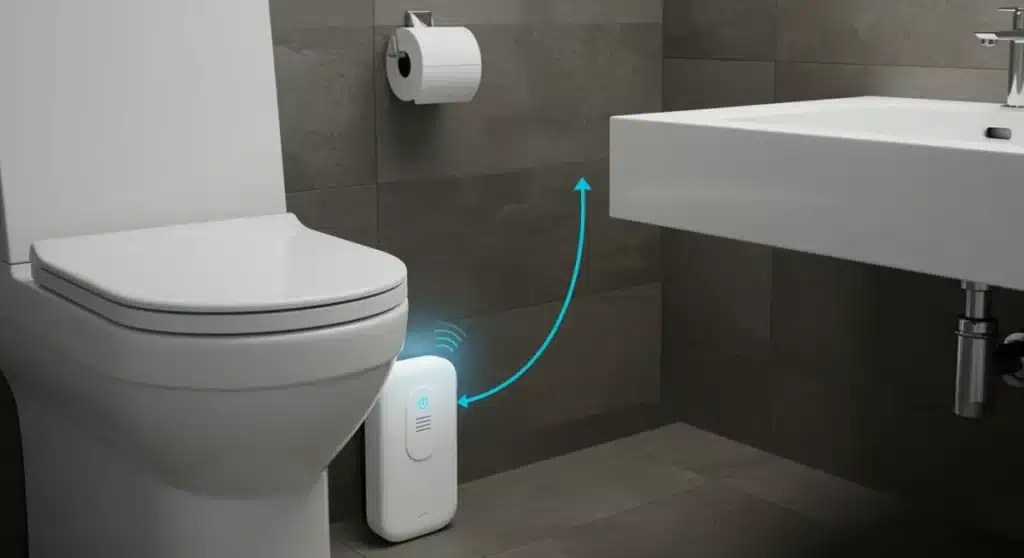
- Bathroom sinks and toilet supply line connections
- Near sump pumps and in basements
- Underdishwashers and refrigerator ice makers
For comprehensive protection, consider the layout of your home’s plumbing system. Houses with multiple bathrooms, a basement, or attached garage with water access benefit from a systematic approach that covers each potential leak source. Some homeowners start with the most critical locations and add sensors over time as their budget allows.
Installation Guide: Setting Up Your Detection System
Installing smart water leak detectors is straightforward enough for most homeowners to complete without professional help. The process typically takes 30-60 minutes for a starter kit with 3-5 sensors, though whole-house systems with automatic shutoff valves may require professional plumbing installation.
Begin by downloading the manufacturer’s app and creating your account. Most systems guide you through the setup process with clear instructions. Place your hub or gateway near your router if required, then add sensors one at a time following the app’s pairing instructions. Test each sensor by touching the probes with a damp cloth to confirm it triggers an alert.
DIY Installation Steps
- Download the companion app and create your account
- Plug in the hub or gateway and wait for connection confirmation
- Put sensors in pairing mode according to instructions
- Add each sensor through the app and assign a location name
- Place sensors in target locations on flat surfaces
- Test each sensor with water to confirm alerts work
- Set up notification preferences and automation rules
For systems that include automatic water shutoff valves, the installation is more complex and typically requires a licensed plumber. These valves install on your main water supply line and require cutting into the pipe. While more expensive, the automatic shutoff capability provides protection even when you’re not home to receive an alert.
Integration with Smart Home Ecosystems
One of the most valuable aspects of modern leak detection systems is their ability to integrate with broader smart home ecosystems. This integration transforms standalone sensors into components of a comprehensive home automation strategy that provides layered protection and convenience.
Most major platforms support leak detection integration. Apple HomeKit users can include leak sensors in automation routines that trigger lights, locks, and other devices. Amazon Alexa users receive announcements through Echo speakers when leaks are detected. Google Home users can check sensor status with voice commands and receive alerts on Nest displays.
Popular Integration Platforms
- Amazon Alexa – Voice alerts and routine triggers
- Apple HomeKit – Advanced automation and Siri integration
- Google Home – Voice control and Nest integration
- Samsung SmartThings – Complex automation and third-party device control
- IFTTT – Custom applets for extended functionality
Beyond basic alerts, sophisticated integrations can automatically turn off HVAC systems to prevent spreading water through ductwork, unlock smart locks for emergency access, or contact emergency services for major leaks. These capabilities make smart leak detectors valuable additions to any connected home.
Maintenance and Long-Term Reliability
Like any electronic device, smart water leak detectors require some ongoing attention to maintain optimal performance. Understanding maintenance requirements helps ensure your investment continues protecting your home for years to come.
Most sensors feature battery life indicators in their companion apps. Standard AAA batteries typically last 1-2 years depending on environmental conditions and alert frequency. Replace batteries promptly when low warnings appear to avoid gaps in protection. Some premium models feature rechargeable batteries or solar charging options that reduce maintenance requirements.
Ongoing Maintenance Tasks
- Check battery levels monthly through the app
- Clean sensor probes periodically to remove debris or mineral buildup
- Test sensors quarterly using the damp cloth method
- Update firmware when manufacturers release improvements
- Verify notification settings after phone or app updates
Physical placement matters for reliability as well. Avoid installing sensors in areas prone to high humidity or condensation, as false alarms can desensitize you to genuine alerts. Similarly, ensure sensors sit on stable surfaces where they won’t be accidentally displaced during cleaning or renovation work.
| Key Point | Brief Description |
|---|---|
| Average Claim Cost | Water damage claims average over $8,000, making early detection financially critical for homeowners. |
| Detection Technology | Smart sensors use metal probes to detect water presence and send instant alerts via WiFi, Z-Wave, or Zigbee. |
| Key Installation Areas | Priority locations include water heaters, washing machines, under sinks, toilets, and basements. |
| Maintenance Requirements | Replace batteries annually, clean probes regularly, and test quarterly to ensure reliable performance. |
Frequently Asked Questions
Smart water leak detectors can prevent up to $8,000 or more in water damage repairs. The average water damage insurance claim in the United States exceeds $8,000, making these devices a worthwhile investment that typically pays for itself after preventing even a single incident. Premium systems with automatic shutoff valves provide the highest level of protection.
Install sensors in the most vulnerable locations: under water heaters, behind washing machines, under kitchen and bathroom sinks, near toilets, and in basements or crawl spaces. These areas represent the most common failure points in household plumbing and where leaks would cause the most expensive damage.
Most basic sensor kits are designed for DIY installation and can be set up in 30-60 minutes without professional help. However, systems that include automatic water shutoff valves require cutting into your main water supply line, which typically requires a licensed plumber for safe and proper installation.
Most smart water leak sensors use standard AAA batteries that last 1-2 years depending on environmental conditions and alert frequency. Check battery levels monthly through the companion app and replace batteries promptly when low warnings appear to maintain continuous protection.
Yes, most modern leak detectors integrate with major smart home platforms including Amazon Alexa, Apple HomeKit, Google Home, and Samsung SmartThings. This integration allows for automation routines, voice alerts, and coordination with other smart devices like automatic water shutoff valves.
Conclusion
Smart water leak detectors represent one of the most cost-effective investments in home protection available today. With average damage costs exceeding $8,000 per incident, the relatively modest price of a quality detection system provides substantial peace of mind and financial protection. Whether you choose a basic starter kit or a comprehensive whole-house system with automatic shutoff capabilities, the key is taking action before a small leak becomes a major disaster. By understanding where to place sensors, how to integrate them with your existing smart home setup, and maintaining them properly, you can protect your home and family from the hidden threat of water damage.