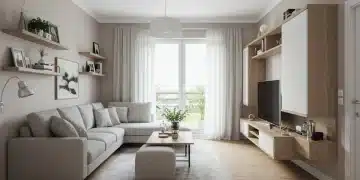
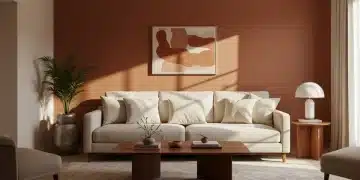
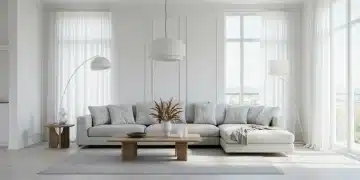
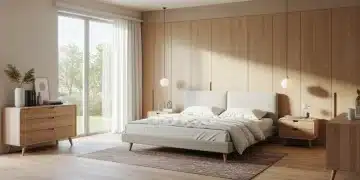
Lighting Layering Techniques Interior Designers Use
Ads
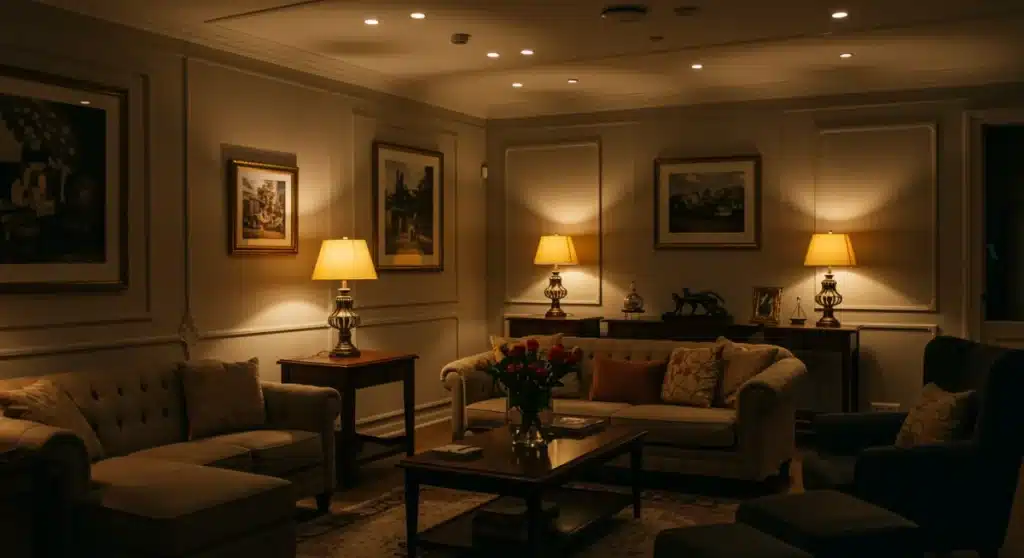
Interior designers rely on lighting layering techniques combining ambient, task, and accent lighting to create sophisticated, functional spaces found in 94% of high-end US projects.
Have you ever walked into a professionally designed room and wondered why it feels so inviting, even though you cannot quite pinpoint the reason? The answer often lies in how the space is illuminated. Lighting Layering Techniques represent one of the most powerful tools in an interior designer’s arsenal, transforming ordinary rooms into extraordinary environments that balance functionality with aesthetics. These techniques, used by nearly every high-end interior design firm across the United States, involve strategically combining different types of lighting to create depth, warmth, and visual interest that simple overhead fixtures simply cannot achieve.
Understanding Ambient Lighting: The Foundation of Layered Design
Ambient lighting serves as the foundation upon which all other lighting layers are built. Often referred to as general lighting, this category includes ceiling-mounted fixtures, recessed lights, and chandeliers that provide overall illumination to a space. In high-end residential projects across the United States, designers carefully consider the color temperature and intensity of ambient light to establish the room’s baseline atmosphere.
The key to effective ambient lighting lies in avoiding the common mistake of relying solely on a single central fixture. Instead, professional designers distribute multiple light sources throughout the ceiling plane, creating even illumination that eliminates harsh shadows and dark corners. This approach not only enhances the perceived size of a room but also provides the flexibility to adjust lighting levels based on time of day and activity.
Types of Ambient Lighting Fixtures
- Recessed can lights: These fixtures install into the ceiling, providing clean, unobtrusive general illumination ideal for modern and minimalist interiors
- Chandeliers: Statement pieces that combine ambient light with decorative appeal, often serving as focal points in entryways and dining rooms
- Flush and semi-flush mounts: Versatile options that work well in rooms with standard ceiling heights while providing adequate general lighting
- Track lighting systems: Flexible solutions that allow directional adjustment and work particularly well in open floor plans
When selecting ambient lighting, designers in the US market increasingly favor LED fixtures for their energy efficiency, longevity, and versatility in color temperature options. The ability to dim these fixtures further enhances their functionality, allowing homeowners to transition from bright morning illumination to softer evening ambiance without changing a single bulb.
Task Lighting: Precision and Functionality in High-End Spaces
While ambient lighting establishes the overall mood, task lighting provides the focused illumination necessary for specific activities. Kitchens, home offices, reading nooks, and bathrooms all require higher light levels in particular areas to support daily functions safely and effectively. The most accomplished interior designers treat task lighting as an essential component of their lighting plans rather than an afterthought.
In kitchen design, which represents a significant portion of high-end residential projects in the United States, task lighting takes center stage. Under-cabinet LED strips illuminate countertops precisely where food preparation occurs, while pendant lights over kitchen islands provide both functional light and visual separation between cooking and dining zones. Drawer and cabinet interior lighting, though less visible, adds a premium touch that distinguishes luxury kitchens from standard installations.
Essential Task Lighting Applications
- Vanity lighting: Wall-mounted sconces or mirrored light bars positioned at face height for grooming tasks in bathrooms
- Desk and table lamps: Adjustable options that direct light onto work surfaces without creating screen glare
- Reading lights: Adjustable arm lamps placed beside seating for comfortable book browsing
- Closet lighting: Motion-activated LED strips that illuminate storage spaces automatically
The placement of task lighting requires careful consideration of how shadows fall across work surfaces. A skilled designer positions fixtures to minimize shadows cast by the user’s body, which means mounting sconces at appropriate heights and angles. In bathroom vanities, for example, lighting from both sides of the mirror typically produces more flattering and functional illumination than a single overhead source.
Accent Lighting: Creating Drama and Visual Interest
Accent lighting represents the artistic dimension of lighting design, adding drama, highlighting architectural features, and drawing attention to prized possessions. This layer transforms a well-lit room into a visually compelling space by creating contrast, depth, and focal points that guide the eye through the interior.
In luxury homes throughout the United States, accent lighting commonly showcases artwork, architectural details, textured walls, and collections. Track-mounted spotlights, adjustable recessed fixtures, and dedicated picture lights all serve this purpose. The intensity of accent lighting typically exceeds ambient levels by a factor of three or more, creating the contrast necessary to draw attention without overwhelming the overall composition.
Popular Accent Lighting Techniques
- Wall washing: Broad beams of light that graze textured surfaces, emphasizing architectural interest
- Spotlighting: Focused beams that highlight specific objects, artwork, or architectural features
- Cove lighting: Indirect illumination from concealed sources that adds ambient glow while highlighting ceiling contours
- Grazing: Close-range lighting that reveals the texture of materials like stone, brick, or wood paneling
The strategic use of accent lighting can fundamentally alter the perception of space. uplighting on tall walls creates an illusion of height, while downlighting on textured surfaces adds visual warmth. Designers often use multiple accent fixtures at varying intensities to create layered visual interest that rewards close inspection while maintaining the room’s overall harmony.
The Art of Combining Light Sources: A Balanced Approach
Mastering Lighting Layering Techniques requires understanding how different light sources interact within a space. The goal is not simply to include ambient, task, and accent lighting, but to balance them in ways that serve both functional needs and aesthetic aspirations. This balance varies significantly depending on the room’s purpose, size, and the activities it supports.
Professional interior designers often describe the ideal layered lighting plan as one where each layer can function independently while contributing to a cohesive whole. This means that a homeowner might use only ambient lighting while casually moving through a space, add task lighting when working or reading, and engage accent lighting when entertaining or highlighting special features. The ability to control each layer separately through dimmers or smart lighting systems represents a hallmark of sophisticated lighting design.
Color temperature plays a crucial role in achieving visual harmony across lighting layers. While accent lights might use warmer temperatures to highlight artwork, task areas often benefit from cooler, more focused illumination. The key is ensuring that transitions between different color temperatures feel intentional rather than jarring, which typically means staying within a 500-kelvin range throughout a single room.
Balancing Light Layer Principles
- Intensity ratios: Maintain approximately 5:3:1 ratio between accent, task, and ambient lighting for visual hierarchy
- Color consistency: Choose fixtures with matching color temperatures or select complementary warm and cool options intentionally
- Shadow management: Position fixtures to create appealing shadows while avoiding distracting or unflattering darkness
- Visual balance: Distribute lighting weight evenly throughout the room to prevent visual lopsidedness
Transitioning between lighting layers should feel natural and responsive to the room’s use. In living rooms, for instance, the lighting might shift from bright ambient illumination during daytime hours to a combination of task and accent lighting in the evening, creating an intimate atmosphere suitable for conversation and relaxation.
Smart Lighting Integration in Modern American Homes
The emergence of smart lighting technology has revolutionized how homeowners interact with their lighting systems, and high-end interior designers have embraced these innovations as essential components of contemporary projects. Smart lighting allows for unprecedented control over intensity, color temperature, and scheduling, making it easier than ever to achieve the perfect lighting for any moment.
Leading smart lighting systems integrate seamlessly with home automation platforms, enabling voice control, app-based management, and automated routines that adjust lighting based on time of day, sunrise and sunset, or specific activities. Many luxury homes now include systems that can simulate natural daylight patterns, gradually shifting color temperature throughout the day to support circadian rhythms and overall well-being.
Smart Lighting Features in Luxury Projects
- Scene programming: Pre-configured lighting combinations that activate with single commands for activities like movie watching, dinner parties, or morning routines
- Motion sensing: Automated lighting that responds to presence, particularly useful in hallways, closets, and bathrooms
- Daylight harvesting: Sensors that adjust artificial lighting based on available natural light, optimizing energy efficiency
- Integration with other systems: Coordination with HVAC, security, and entertainment systems for holistic home automation
When incorporating smart lighting, designers must consider both the technical infrastructure and the user experience. This includes positioning control interfaces intuitively, ensuring reliable wireless connectivity throughout the home, and programming systems to respond predictably to user commands. The most successful implementations feel effortless, enhancing daily life without requiring constant attention or adjustment.
Common Lighting Mistakes and How to Avoid Them
Even with access to sophisticated techniques and technology, many residential lighting installations fall short of their potential. Understanding common mistakes helps homeowners and designers alike avoid pitfalls that compromise both functionality and aesthetics. These errors range from fundamental planning oversights to subtle but impactful details that separate mediocre lighting from exceptional design.
One of the most prevalent mistakes involves insufficient planning during construction or renovation phases. Electrical rough-in represents the ideal opportunity to add lighting circuits, but this window closes once walls are closed. Designers working on high-end projects always develop comprehensive lighting plans before construction begins, ensuring adequate fixture locations, dimmer compatibility, and appropriate electrical capacity.
Lighting Design Pitfalls to Avoid
- Over-reliance on single fixtures: Rooms with only one ceiling fixture feel flat and require compensatory lamp placement that often creates visual clutter
- Incorrect fixture scale: Pendant lights hung too high lose their visual impact, while chandeliers mounted too low obstruct sightlines and movement
- Ignoring dimming capabilities: Non-dimmable fixtures limit flexibility and often produce uncomfortable maximum intensity levels
- Mismatched color temperatures: Mixing incompatible light colors creates visual discord that undermines the cohesive design
Another common issue involves overlooking the importance of lighting controls. Homes with multiple lighting layers but limited control options force homeowners to choose between too much light and too little. Strategic placement of dimmers, three-way switches, and smart controls ensures that sophisticated lighting designs actually get used as intended rather than defaulting to a few familiar settings.
Conclusion
Lighting layering techniques represent an essential skill that separates professional interior design from amateur attempts at home illumination. By thoughtfully combining ambient, task, and accent lighting while incorporating smart controls and avoiding common mistakes, designers create spaces that feel both functional and beautiful. Whether renovating a single room or building a new home, understanding these techniques empowers homeowners to achieve the sophisticated lighting environments typically reserved for high-end residential projects across the United States.
| Lighting Layer | Purpose and Application |
|---|---|
| Ambient Lighting | Provides overall illumination and establishes the room’s baseline atmosphere through ceiling fixtures, recessed lights, and chandeliers |
| Task Lighting | Delivers focused illumination for specific activities like cooking, reading, and grooming in kitchens, offices, and bathrooms |
| Accent Lighting | Creates drama and visual interest by highlighting artwork, architectural features, and collections through spotlights and wall washers |
| Smart Controls | Enables automated adjustment and manual control of all lighting layers through dimmers, apps, and voice commands for ultimate flexibility |
Frequently Asked Questions About Lighting Layering
The three essential lighting layers are ambient (general illumination), task (focused light for specific activities), and accent (decorative light highlighting features). These layers work together to create functional, visually appealing spaces that adapt to different needs and moods throughout the day.
Color temperature should match your space’s purpose and natural light. Living areas typically benefit from warm white (2700-3000K) for cozy atmosphere, while task areas like kitchens and offices work well with neutral white (3500-4000K). Consistency within rooms prevents visual clash, though slight variations can add visual interest when intentional.
Smart lighting systems offer the most flexibility, allowing you to program scenes for different activities and control all layers through apps or voice commands. Alternatively, strategically placed dimmers and three-way switches provide manual control without full automation. The key is ensuring each layer can be adjusted independently.
Professional lighting design typically costs between 1-3% of total construction costs in high-end residential projects. This investment often pays dividends through energy efficiency, improved functionality, and enhanced aesthetics. Many designers include lighting planning as part of comprehensive interior design services rather than charging separately.
Absolutely. Adding floor and table lamps introduces task and accent lighting, while plug-in LED strips can provide under-cabinet or shelf lighting. Smart bulbs offer dimming and color control without replacing fixtures. While new construction allows for more options, significant improvements are achievable in existing spaces through strategic lamp placement and fixture upgrades.
Conclusion
Mastering lighting layering techniques transforms ordinary interiors into sophisticated environments that enhance daily life through thoughtful illumination. By understanding how ambient, task, and accent lighting work together, American homeowners can achieve the professional results typically found in high-end residential projects. Whether implementing basic layering principles or investing in comprehensive smart lighting systems, the key lies in planning thoughtfully and balancing functionality with aesthetic appeal. The right lighting approach elevates every room in your home, creating spaces that feel welcoming, functional, and distinctly yours.