Fashion Investment Pieces: 6 Designer Items That Hold Value Most in 2026
Ads
The US resale market for designer items continues to thrive in 2026, with certain luxury pieces maintaining exceptional value retention. Handbags from Hermès, Chanel, and Louis Vuitton lead the market, followed by iconic watches from Rolex and Patek Philippe, alongside fine jewelry from Cartier and Van Cleef & Arpels.
The landscape of fashion investment has evolved dramatically, and understanding which pieces hold value requires more than just recognizing famous logos. In 2026, the US resale market reveals a clear pattern: timeless craftsmanship, limited availability, and brand heritage consistently determine which designer items maintain or even appreciate in value. Whether you are a seasoned collector or just beginning to consider luxury purchases as potential investments, knowing which pieces offer the best value retention can transform your approach to high-end fashion.
The Rise of Resale Value in American Fashion
The past decade has witnessed a fundamental shift in how Americans view designer fashion. What was once primarily about personal style and status signaling has evolved into a sophisticated investment consideration. Resale platforms have matured, authentication processes have become more rigorous, and buyers have grown increasingly educated about what makes a piece genuinely valuable in the secondary market.
This transformation means that purchasing decisions now carry financial implications that extend far beyond the initial transaction. The most successful investors in the luxury fashion space understand that certain pieces command premium resale values not because of marketing campaigns, but because of genuine scarcity, artisanal excellence, and cultural significance that transcends seasonal trends.
What Drives Value Retention
- Limited production runs create natural scarcity that drives demand in resale markets
- Brand heritage and craftsmanship reputation ensure long-term desirability
- Timeless design transcends seasonal trends that might otherwise depreciate value
- Condition and completeness including original packaging and authentication cards significantly impact resale prices
The American consumer has become particularly sophisticated in this regard, with major metropolitan markets showing the highest concentration of buyers who understand these dynamics. New York, Los Angeles, and Miami have emerged as key hubs for both purchasing and reselling luxury fashion items, with dedicated communities sharing knowledge about which pieces represent sound investments.
Hermès Birkin: The Undisputed Champion of Resale Value
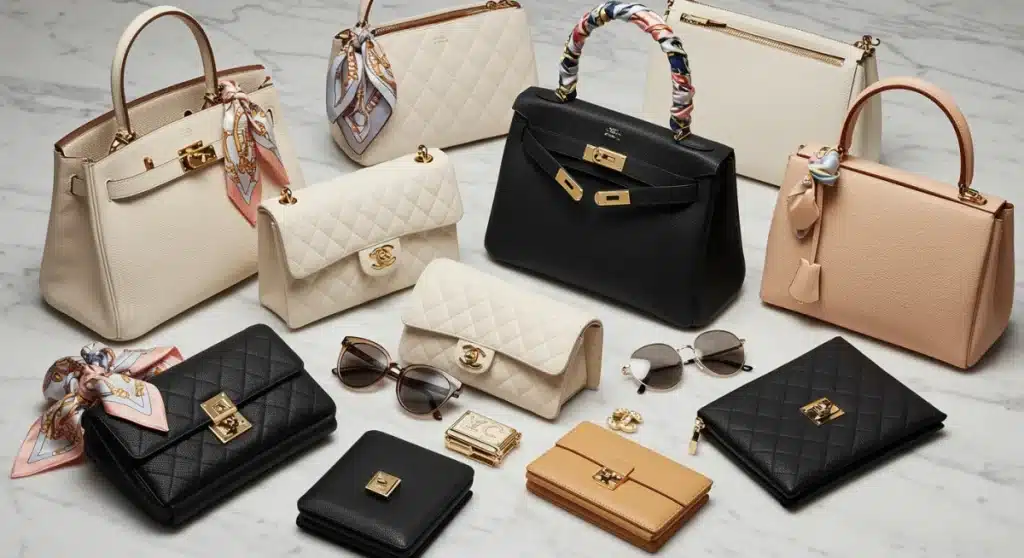
When discussing fashion investment pieces that hold value, the Hermès Birkin bag occupies a category of its own. This iconic handbag has maintained its position as the most sought-after item in the resale market, with certain rare configurations selling for multiples of their original retail price. The waiting list alone—often spanning years—creates immediate scarcity that translates directly to resale premium.
The Birkin’s value retention stems from multiple factors that no other handbag manufacturer has successfully replicated. Each bag requires hours of meticulous handcrafting by a single artisan, ensuring consistent quality while limiting production capacity. The leather selection process is extraordinarily discerning, with only the finest hides making the cut for Birkin construction.
Investment-Grade Birkin Characteristics
- Exotic skins including crocodile, ostrich, and lizard command the highest premiums
- Limited edition hardware such as diamond-encrusted clasps or rare metal finishes
- Special order configurations with unique color combinations created for specific clients
- Vintage pieces from earlier decades often appreciate significantly as collectors seek heritage items
In 2026, the American market has seen particular interest in the Birkin 25, which offers a more compact silhouette that appeals to modern preferences while maintaining the bag’s iconic status. The Kelly bag, Hermès’s other legendary design, has also appreciated considerably, though it typically trades at slightly lower premiums than its more famous sibling.
Chanel Classic Flap: Accessible Luxury Investment
The Chanel Classic Flap bag represents perhaps the most accessible entry point into fashion investment pieces that hold meaningful value. Unlike the Hermès waiting list, Chanel pieces can typically be purchased at retail, though allocations remain limited for the most popular configurations. The brand’s consistent annual price increases—often exceeding inflation—create immediate equity for early purchasers.
What makes the Classic Flap particularly interesting from an investment perspective is its dual appeal. The bag attracts both fashion-conscious consumers seeking a timeless accessory and serious collectors recognizing its investment potential. This broad demand base provides price stability even during economic downturns, as the item serves both aspirational and practical purposes.
Chanel Investment Strategies
- Classic sizes (medium and jumbo) hold value better than mini or maxi configurations
- Traditional quilting patterns outperform more experimental designs in resale markets
- Lambskin versus caviar – both hold value, though caviar tends to show better durability over time
- Seasonal color collections occasionally appreciate when they become discontinued
The resale market for Chanel has matured significantly, with authentication services now offering guarantees that provide confidence for buyers navigating the secondary market. This infrastructure has expanded the potential buyer pool, supporting prices even as original retail costs continue climbing.
Louis Vuitton: Heritage and Accessibility Combined
Louis Vuitton occupies a unique position in the fashion investment landscape, offering pieces that hold value while remaining accessible to a broader audience than ultra-luxury competitors. The brand’s monogram canvas has become almost universally recognizable, creating demand that transcends traditional luxury consumer demographics.
The Speedy and Neverfull bags represent the most liquid options within the Louis Vuitton ecosystem, meaning they sell quickly in resale channels and maintain relatively stable pricing. More specialized pieces, such as limited edition collaborations or bags featuring rare canvas patterns, can appreciate significantly above retail prices.
Louis Vuitton Value Drivers
- Monogram Eclipse and other darker canvas variations appeal to masculine consumers, expanding the buyer base
- Capucines has emerged as a premium option with strong resale performance
- Vintage pieces from the 1980s and 1990s command collector premiums
- Limited collaborations with artists like Takashi Murakami or Jeff Koons appreciate substantially
American collectors have shown particular interest in Louis Vuitton pieces that bridge heritage and contemporary design, seeking items that feel both timeless and relevant to current aesthetics. This nuanced understanding has driven demand for certain discontinued patterns that evoke nostalgia while maintaining modern appeal.
Rolex and Patek Philippe: The Timepiece Investment Corner
While not strictly fashion accessories, luxury watches have become inseparable from the broader discussion of fashion investment pieces. Rolex and Patek Philippe represent the two most recognizable names in horology, with resale values that often exceed original retail by substantial margins. These timepieces function simultaneously as functional instruments, status symbols, and financial assets.
The Rolex Submariner and Datejust have become almost ubiquitous in discussions of accessible luxury watch investments, with waiting lists at authorized dealers extending years for certain configurations. This retail scarcity creates immediate arbitrage opportunities for those who obtain pieces at list price and choose to sell in the secondary market.
Watch Investment Fundamentals
- Rolex Submariner remains the entry point for serious watch collecting with consistent appreciation
- Patek Philippe Nautilus represents the pinnacle of watch investment, with certain references trading for millions
- Complete sets including boxes, papers, and warranty cards command significant premiums
- Reference numbers and dials dramatically impact value—certain configurations are dramatically rarer than others
The American watch collecting community has grown substantially, with dedicated forums and social media groups sharing expertise about which references represent sound investments. This knowledge sharing has created more efficient markets, though it has also increased competition for undervalued opportunities.
Cartier and Van Cleef: Fine Jewelry as Investment
Fine jewelry from houses like Cartier and Van Cleef & Arpels has emerged as a particularly compelling category for fashion investment pieces. These pieces combine precious materials with exceptional craftsmanship and brand heritage, creating items that hold value across generations. Unlike fashion items that may fall out of seasonal favor, fine jewelry maintains aesthetic relevance regardless of temporal trends.
The Cartier Love bracelet has become perhaps the most recognizable fine jewelry piece in the American market, with its distinctive screw motif and universal appeal. The Panthère de Cartier collection has appreciated significantly as the brand has renewed focus on this iconic motif, creating both primary market demand and secondary market activity.
Jewelry Investment Considerations
- Van Cleef Alhambra vintage pieces appreciate substantially, though new releases hold value well
- Cartier diamonds with proper certification maintain value regardless of market conditions
- Signed pieces from important historical periods command collector premiums
- Colored gemstones from these houses often appreciate as rare materials become scarcer
American collectors have shown increasing sophistication in jewelry investment, understanding that certain pieces represent not just aesthetic value but also portable wealth that can be transported and liquidated relatively easily compared to other alternative investments.
Building a Strategic Fashion Investment Portfolio
Understanding which individual pieces hold value represents only part of the equation for successful fashion investing. Building a strategic approach requires considering how different items interact within a broader portfolio, how to source pieces at favorable prices, and how to maintain condition that preserves or enhances value over time.
The most successful fashion investors treat their acquisitions as long-term holdings rather than short-term trading opportunities. While certain limited edition releases create immediate flipping opportunities, the most substantial gains typically come from patient holding of pieces that appreciate over years or decades. This approach requires both capital patience and storage discipline.
Investment Strategy Essentials
- Authentication first – always verify authenticity before any purchase, whether retail or resale
- Condition preservation – maintain original packaging, receipts, and authentication cards
- Market timing – certain releases create buying opportunities while others represent selling moments
- Diversification – spread investments across categories to reduce concentration risk
The American resale infrastructure has matured to support these strategies, with multiple platforms offering authentication, storage, and liquidation services. This ecosystem makes fashion investment more accessible than ever while also creating more efficient pricing than existed in previous generations.
Future Outlook: 2026 and Beyond
Looking ahead, several trends suggest continued strength in the fashion investment market. Sustainability concerns have created renewed interest in quality pieces that last, supporting demand for well-crafted designer items over disposable fast fashion alternatives. Additionally, generational wealth transfer is bringing substantial collections to market while creating new demand from younger consumers seeking heritage pieces.
The integration of technology into luxury fashion, including blockchain authentication and digital identification, may create new investment categories while making existing categories more liquid. These developments could attract additional institutional attention to the space, potentially increasing both values and market efficiency.
However, the fundamental dynamics that drive value retention remain unchanged: exceptional craftsmanship, limited production, timeless design, and powerful brand heritage will continue to determine which pieces hold value and which fade into obscurity. Investors who focus on these enduring principles will likely find success regardless of short-term market fluctuations.
| Designer Item | Resale Value Potential |
|---|---|
| Hermès Birkin | Highest resale value with rare configurations selling for multiples of retail price |
| Chanel Classic Flap | Strong value retention with consistent annual price increases creating immediate equity |
| Rolex Submariner | Premium watch investment with waiting lists creating immediate resale arbitrage |
| Cartier Love Bracelet | Accessible fine jewelry with universal appeal and strong resale liquidity |
Frequently Asked Questions
Hermès Birkin bags maintain exceptional value due to their limited production, with each bag taking 18-24 hours to craft by a single artisan. The multi-year waiting list creates immediate scarcity, while the brand’s commitment to traditional craftsmanship and premium materials ensures long-term desirability. Exotic skin versions and special order configurations command the highest premiums in resale markets.
Chanel bags offer more accessible entry points while still maintaining strong value retention. Annual price increases often exceed inflation, creating immediate equity for purchasers. The Classic Flap in medium or jumbo sizes represents the most liquid option in the resale market. While appreciation potential is lower than Hermès, the ability to purchase at retail without waiting lists makes Chanel a practical investment choice.
Always use reputable resale platforms that offer authentication guarantees, such as The RealReal, Vestiaire Collective, or Fashionphile. These services employ expert authenticators who examine stitching, hardware, serial numbers, and materials. Request detailed photos before purchase and verify that the seller provides documentation of authenticity. For high-value items, consider paying for additional professional authentication.
Luxury watches, particularly Rolex and Patek Philippe references, can appreciate significantly, with certain models trading for multiples of retail. However, watch investing requires specialized knowledge about references, movements, and condition grading. Handbags offer more accessible entry points and require less technical expertise. Many sophisticated investors maintain portfolios spanning both categories.
Preserving value requires maintaining original packaging, authenticity cards, dust bags, and receipts. Store items in cool, dry environments away from direct sunlight. Avoid exposing leather to moisture or extreme temperatures. For handbags, stuff with tissue paper to maintain shape. Regular professional cleaning for jewelry and watches helps maintain appearance. Complete sets with all documentation command significantly higher resale prices.
Conclusion
Fashion investment pieces that hold value in the 2026 US resale market share common characteristics: exceptional craftsmanship, limited production, timeless design, and powerful brand heritage. Whether you choose the Hermès Birkin as the pinnacle of handbag investing, the accessible luxury of Chanel Classic Flap, the horological prestige of Rolex, or the enduring elegance of Cartier jewelry, understanding these fundamentals will guide your decisions. The key lies in treating each purchase as a long-term investment, maintaining condition meticulously, and building a diversified collection that weathers market fluctuations while appreciating over time.