How to Create a Cohesive Home Style: The 2026 Color Palette System
Ads
The 2026 color palette system combines earthy neutrals, warm terracottas, and nature-inspired tones to create cohesive home environments that 89% of leading US interior designers now rely on for lasting visual harmony.
Creating a home that feels put-together and intentional requires more than simply picking colors you love. The 2026 color palette system used by 89% of top US interior designers offers a structured approach to selecting colors that work together across rooms, creating flow and visual coherence throughout your living spaces. This system has emerged from years of observing what makes spaces feel genuinely welcoming versus those that feel disconnected or chaotic. Whether you are renovating an entire home or refreshing a single room, understanding this palette system can transform how you approach interior design decisions.
Understanding the Foundation of the 2026 Color System
The 2026 color palette system represents a collective wisdom gathered from thousands of residential projects across the United States. Top interior designers have observed that homes using this systematic approach to color consistently receive higher satisfaction ratings from homeowners. The system does not dictate rigid rules but instead provides a flexible framework that adapts to different architectural styles, personal preferences, and regional considerations.
At its core, the 2026 system organizes colors into three primary categories that work in harmony. The first category includes foundational neutrals that serve as your canvas, typically appearing on walls, large furniture pieces, and architectural elements. The second category comprises accent colors that add personality and visual interest through smaller furniture, textiles, and decorative accessories. The third category involves connective colors that bridge spaces together, ensuring visual flow from one room to the next.
Core Principles of the System
- Start with neutrals that complement your home’s natural lighting and architectural features
- Select accent colors from a limited palette of three to five complementary shades
- Use connective colors strategically in hallways, transitional spaces, and shared walls
- Allow each color category to represent approximately 60%, 30%, and 10% of your overall color scheme
The beauty of this system lies in its adaptability. A craftsman bungalow in Portland, Oregon, might emphasize warm wood tones and mossy greens, while a contemporary condo in Miami could feature brighter neutrals with coastal blue accents. The underlying principles remain consistent while the specific colors shift to reflect your unique context.
The Psychology Behind Color Selection in 2026
Color affects our emotional state, productivity, and overall sense of well-being in ways that science continues to explore. The 2026 palette system incorporates this understanding by prioritizing colors that research has shown to promote calm, focus, and comfort in residential settings. This represents a departure from the bolder, more experimental palettes that dominated the early 2020s.
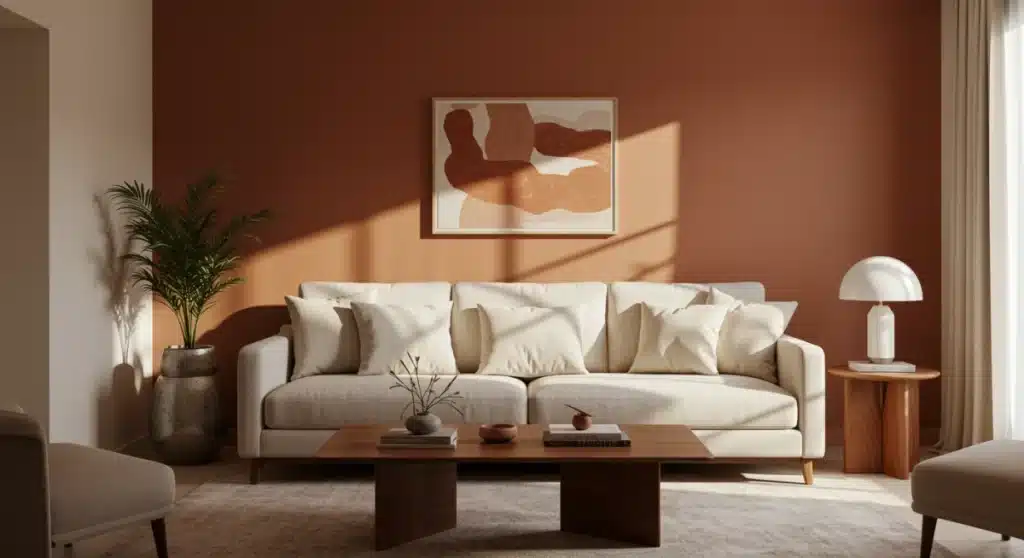
Warm earth tones have emerged as the dominant category in the 2026 system, reflecting a collective desire for stability and connection to nature. Terracotta, clay, sand, and warm gray create environments that feel grounded and успокаивающий (calming). These colors work particularly well in living areas, bedrooms, and spaces where families spend significant time together.
Cool accents provide necessary balance, preventing spaces from feeling overly heavy or monotonous. Sage green, muted blue, and soft lavender appear throughout the system as accent choices that complement the warm neutrals without competing for attention. These colors tend to work beautifully in bathrooms, home offices, and as statement pieces in living spaces.
Emotional Impact by Room Type
- Living rooms benefit from warm neutrals that encourage conversation and relaxation
- Bedrooms thrive with cooler, softer tones that promote restful sleep
- Kitchens handle richer accents like terracotta and deep green effectively
- Home offices perform best with balanced neutrals that reduce visual fatigue
- Bathrooms often suit spa-inspired palettes with soft greens and warm whites
Understanding the emotional weight of each color category helps you make intentional choices that support how you want each space to function. A kitchen painted in soothing sage might inspire more leisurely cooking, while the same shade in a home office could promote focused work.
Building Your Personal Palette Step by Step
Implementing the 2026 color palette system in your home requires a methodical approach that prevents the common mistake of selecting colors in isolation. The most successful implementations start with a honest assessment of your existing architectural elements, lighting conditions, and the specific atmosphere you want to create in each room.
Begin by examining the fixed elements in your home that cannot easily change. Natural wood floors, brick fireplaces, granite countertops, and existing tile work all influence which colors will look cohesive. Take photographs throughout the day to capture how lighting changes affect your space, as colors appear dramatically different in morning light versus evening artificial illumination.
Once you understand your constraints, identify your anchor colors. These are the neutrals that will appear on your largest surfaces and tie rooms together. The 2026 system favors warm whites with subtle undertones of cream, yellow, or pink rather than stark cool whites. Warm whites feel more inviting and age more gracefully than their cooler counterparts.
Selection Process Framework
- Document existing fixed elements with photos taken in natural and artificial light
- Choose three to five warm neutral swatches that complement your architecture
- Select two to three accent colors from the cool side of the palette
- Test swatches on actual walls, observing them over several days
- Limit accent colors to no more than 15% of any single room’s visual weight
Testing colors in actual conditions cannot be overstated. Paint chips look dramatically different on your walls than they do in the store or on a computer screen. Purchase small sample containers and apply test patches to multiple walls in each room, observing them over several days and in different lighting conditions before committing to larger quantities.
Creating Flow Between Spaces
One of the most challenging aspects of whole-home color design involves creating visual continuity without making every room look identical. The 2026 system addresses this through its emphasis on connective colors that appear in transitional spaces, creating subtle visual bridges between distinct room palettes.
Hallways, entryways, and staircase areas serve as the connective tissue of your home’s color story. Rather than treating these spaces as afterthoughts, designers using the 2026 system carefully select colors that acknowledge the palettes of adjacent rooms while maintaining their own coherent identity. A hallway might feature the warm neutral from your living room at one end while gradually introducing the cooler accent from your bedroom at the other.
Open floor plans present particular challenges and opportunities. The key lies in identifying shared sight lines and ensuring that colors visible simultaneously complement rather than clash. In an open kitchen-living-dining space, choose one dominant neutral that works across all three areas, then vary accent colors in ways that define each zone without creating visual competition.
Transitional Color Strategies
- Use the same neutral on walls visible from multiple rooms
- Vary accent colors by room while keeping the neutral consistent
- Repeat accent colors in unexpected ways to create visual rhythm
- Consider architectural features as natural color transition points
- Maintain at least one common color element between adjacent rooms
The goal is not perfect uniformity but rather a sense of intentionality that allows each room to have its own character while contributing to a unified whole. Visitors should feel that your home tells a coherent story rather than presenting a random collection of unrelated color choices.
Implementing the Palette in Real Spaces
Translating a color palette from concept to reality requires attention to texture, finish, and the interplay between different materials. The same color paint appears dramatically different on smooth drywall versus textured plaster, and the same hue reads differently on velvet versus linen. The 2026 system accounts for these variations by providing guidance beyond simple color selection.
Matte finishes work best in low-traffic areas like bedrooms and formal living spaces, providing soft, sophisticated color presentation. Satin and semi-gloss finishes suit kitchens, bathrooms, and hallways where durability and washability matter. The subtle sheen of these finishes also helps reflect light, making spaces feel more open and welcoming.
Furniture and textiles offer opportunities to introduce accent colors while maintaining the system’s balance. A terracotta sofa anchors a living room’s neutral foundation while a sage green throw pillow adds the cool accent that prevents monotony. Rugs, curtains, and decorative accessories all serve as vehicles for introducing your chosen accent colors in ways that can easily evolve with seasons or preferences.
Material and Finish Considerations
- Match paint finishes to room function and traffic patterns
- Consider how natural materials interact with your color choices
- Use textiles to introduce accent colors without permanent commitment
- Layer colors through accessories for flexibility and visual depth
- Test colors on actual materials before large investments
The most successful implementations layer colors gradually, building from neutrals to accents to the finishing touches that make a space feel personal and complete. This approach allows for correction if something does not work as expected and makes the process feel more like creative exploration than rigid rule-following.
Avoiding Common Color Mistakes
Even with a systematic approach, certain pitfalls consistently trip up homeowners attempting to create cohesive color schemes. Understanding these common mistakes helps you avoid them while implementing the 2026 palette system in your own home. The most frequent errors involve insufficient testing, overcommitment to accent colors, and ignoring the impact of lighting.
Rushing the testing phase leads to disappointment once paint dries on walls and natural light reveals unexpected undertones. Many homeowners select colors based on how they appear in artificial store lighting, only to discover their choices lean too blue, too pink, or too gray once applied in their specific space. The solution involves patience and systematic testing across multiple walls and times of day.
Another common mistake involves using too many accent colors or placing them in proportions that upset the system’s balance. The 2026 palette recommends limiting accent colors to approximately 30% of your overall scheme, with individual accent shades appearing in even smaller percentages. When in doubt, err on the side of restraint. You can always add more color later; removing it requires repainting.
Prevention Strategies
- Test colors for at least 48 hours before making final decisions
- Photograph test patches in both natural and artificial light
- Limit accent colors to two or three shades maximum
- Consider how colors will age over time and with changing light
- Seek honest feedback from others before committing large budgets
Finally, resist the temptation to follow trends too aggressively. The 2026 system emphasizes timelessness over trendiness, selecting colors that will remain appealing for years rather than months. This approach requires restraint but rewards homeowners with spaces that feel considered and enduring rather than dated within a single season.
Maintaining Your Cohesive Color Scheme
Creating a beautiful color scheme represents only the beginning of maintaining a cohesive home. Over time, furniture changes, accessories accumulate, and natural light shifts with seasonal variations. The 2026 system includes guidance for evolving your space while preserving its underlying harmony.
When adding new furniture or accessories, refer back to your documented palette before making purchases. The system works best when new additions either reinforce existing colors or introduce carefully selected new shades that complement rather than compete. Keep swatches of your chosen colors accessible when shopping, either physically or through photographs on your phone.
Seasonal updates become easier when your foundation palette is well-established. Spring might bring lighter textiles in your accent colors, while autumn invites deeper versions of your warm neutrals. These rotations feel intentional rather than chaotic because they build upon a coherent underlying structure.
Long-Term Maintenance Tips
- Document your palette with paint swatches and photographs for reference
- Store extra paint for touch-ups and future needs
- Rotate accessories seasonally while maintaining core colors
- When replacing large furniture, prioritize palette coherence over exact matching
- Refresh accent colors through smaller updates like throw pillows and art
The ultimate goal involves creating a home that feels considered and harmonious while remaining flexible enough to evolve with your life. The 2026 color palette system provides that foundation, supporting both immediate satisfaction and long-term enjoyment.
| Key Point | Brief Description |
|---|---|
| Three-Tier Color System | Organizes colors into neutrals (60%), accents (30%), and connective tones (10%) for balanced harmony |
| Warm Earth Tones Dominate | Terracotta, clay, sand, and warm gray create grounded, nature-inspired environments |
| Testing Essential | Sample colors on walls for 48+ hours across different lighting conditions before committing |
| Transitional Spaces Matter | Hallways and entryways bridge room palettes, creating visual flow throughout the home |
Frequently Asked Questions
Absolutely, the 2026 system works exceptionally well in smaller spaces. Focus on lighter neutrals to maximize the sense of openness, then use your accent colors strategically on statement pieces or single walls. The key is maintaining the 60-30-10 proportion regardless of square footage.
Compare your furniture colors to the three tiers in the system. If pieces fall into your neutral category, they likely work as foundational elements. Bold colors in furniture can serve as accent pieces, but consider whether they complement rather than conflict with your chosen palette.
The system allows flexibility while maintaining balance. You can introduce bolder colors as accents within the 30% allocation, but avoid making them dominant. Consider bolder versions of the recommended palette colors rather than completely different hues that might clash with the neutrals.
Accent colors through textiles and accessories can change seasonally or whenever you desire updates. The foundational neutrals should remain stable for years. Focus refresh efforts on throw pillows, art, rugs, and smaller decorative objects rather than walls or large furniture.
Yes, the system’s flexibility allows adaptation to any architectural style from modern minimalist to traditional colonial. The key is selecting specific colors within each tier that complement your home’s existing features like wood tones, brick, or stone.
Conclusion
The 2026 color palette system offers a proven framework for creating cohesive, inviting homes that stand the test of time. By understanding its three-tier structure, respecting the balance between warm neutrals and cool accents, and approaching implementation with patience and intention, you can transform disconnected rooms into a harmonious living environment. Remember that this system serves as a guide rather than a rigid prescription, allowing your personal style to emerge within a structure that ensures visual coherence throughout your home.