Verify Your Sunscreen: SPF Protection Guide for Summer 2026 US
Ads
Verifying your sunscreen’s SPF protection is crucial for effective skin defense against harmful UV rays this summer in the US. Understanding labels, proper application, and recognizing signs of inadequate protection are key to maintaining healthy skin in 2026.
As summer approaches in the United States, a critical question arises for many: Is Your Sunscreen Working? How to Verify Your SPF Protection This Summer in the US (2026 Edition). Ensuring your skin is adequately protected from the sun’s harmful UV rays is not just about preventing sunburn, but also about long-term skin health, including reducing the risk of premature aging and skin cancer. This guide will equip you with the knowledge and tools to confidently assess your sunscreen’s efficacy.
Understanding SPF and UV Protection in 2026
The concept of Sun Protection Factor (SPF) is fundamental to understanding how sunscreen works. It’s not merely a number on a bottle; it’s a measure of how well a sunscreen protects your skin from ultraviolet B (UVB) rays, which are the primary cause of sunburn and contribute to skin cancer. For summer 2026, understanding the nuances of SPF, including its limitations and how it interacts with broader UV protection, remains paramount for consumers in the US.
While SPF primarily gauges UVB protection, a truly effective sunscreen, often labeled as ‘broad-spectrum,’ also defends against ultraviolet A (UVA) rays. UVA rays penetrate deeper into the skin and are largely responsible for premature skin aging, wrinkles, and also contribute to skin cancer. The US market in 2026 continues to emphasize broad-spectrum protection as a non-negotiable standard for optimal sun care, ensuring comprehensive defense against both types of harmful UV radiation.
Decoding Sunscreen Labels
Navigating sunscreen labels can sometimes feel like deciphering a complex code. However, knowing what to look for can significantly impact your choice and confidence in your protection. Beyond the SPF number, terms like ‘broad-spectrum,’ ‘water-resistant,’ and specific active ingredients are crucial indicators of a product’s capabilities.
- Broad-Spectrum: This label signifies that the sunscreen protects against both UVA and UVB rays, offering more complete protection.
- Water-Resistant: Indicates the sunscreen maintains its SPF level for either 40 or 80 minutes while swimming or sweating. It’s important to reapply after these periods.
- Active Ingredients: Understanding whether your sunscreen uses mineral (zinc oxide, titanium dioxide) or chemical (oxybenzone, avobenzone, octinoxate) filters can inform your choice based on skin sensitivity and environmental concerns.
In 2026, regulatory bodies continue to refine guidelines to make these labels clearer and more consistent, helping consumers make informed decisions. Always choose a product from a reputable brand that adheres to these standards, ensuring you’re getting the protection promised on the label.
The evolution of sunscreen formulations also plays a role in their effectiveness. Newer products often incorporate advanced technologies that improve photostability, meaning the active ingredients remain effective for longer when exposed to sunlight. This is a significant improvement over older formulations that could degrade quickly, reducing their protective power. When selecting your sunscreen, considering these advancements can provide an added layer of assurance in your sun protection strategy.
The Science Behind SPF: How It’s Measured and What It Means
The SPF value on your sunscreen bottle isn’t just an arbitrary number; it’s the result of rigorous scientific testing. Understanding how SPF is measured provides insight into its meaning and helps set realistic expectations for sun protection. In laboratories, human volunteers are exposed to UV radiation after applying sunscreen, and the time it takes for their skin to redden is compared to the time it takes without sunscreen. This ratio determines the SPF.
For example, an SPF 30 sunscreen means it would theoretically take 30 times longer for your skin to redden than if you weren’t wearing any sunscreen. However, this is an idealized scenario. Real-world conditions, such as insufficient application, sweating, or swimming, can significantly reduce its effectiveness. Therefore, while SPF provides a valuable benchmark, it’s crucial to consider it within the context of proper use and reapplication.
Factors Influencing SPF Effectiveness
Several factors can influence how well your sunscreen performs, regardless of its stated SPF. These include the quantity applied, frequency of reapplication, and environmental conditions. Many people apply far less sunscreen than necessary, inadvertently compromising their protection. The general recommendation is about one ounce (a shot glass full) for the entire body, and a nickel-sized dollop for the face and neck.
- Application Amount: Most studies show that people apply only 25-50% of the recommended amount, drastically reducing the actual SPF achieved.
- Reapplication: Sunscreen should be reapplied at least every two hours, or more frequently after swimming, sweating, or towel drying, even if it’s labeled ‘very water-resistant’.
- Environmental Conditions: High humidity, intense sun exposure (e.g., at high altitudes or near the equator), and reflective surfaces (sand, snow, water) can amplify UV radiation, requiring more diligent protection.
The choice between mineral and chemical sunscreens can also affect perceived effectiveness. Mineral sunscreens (zinc oxide, titanium dioxide) work by creating a physical barrier that reflects UV rays. Chemical sunscreens absorb UV radiation and convert it into heat. Both are effective when used correctly, but personal preference regarding texture, white cast, and absorption often guides selection. For summer 2026, advancements in both mineral and chemical formulations aim to improve user experience without compromising protection.
Ultimately, the science behind SPF is about providing a measurable standard, but its real-world performance is heavily dependent on user behavior. Educating oneself on proper application techniques and understanding environmental factors are just as important as choosing a high SPF product. This holistic approach ensures that the protection you expect from your sunscreen is the protection you actually receive.
Common Sunscreen Myths and Misconceptions to Avoid in 2026
Despite widespread awareness campaigns, several myths and misconceptions about sunscreen persist, potentially leading to inadequate protection. Dispelling these myths is crucial for maintaining effective sun safety, especially as we head into summer 2026. Understanding the truth behind these common beliefs can empower you to make better choices and protect your skin more effectively.
One prevalent myth is that higher SPF numbers offer exponentially greater protection. While SPF 50 offers slightly more protection than SPF 30 (blocking approximately 98% vs. 97% of UVB rays), the difference is marginal. No sunscreen blocks 100% of UV rays, and the perceived extra protection from very high SPF numbers (like SPF 100) can lead to a false sense of security, causing people to apply less frequently or stay in the sun longer. The key is consistent and proper application of at least SPF 30 broad-spectrum sunscreen.
Debunking Popular Sunscreen Beliefs
Many people believe that incidental sun exposure, like walking to your car or sitting near a window, doesn’t require sunscreen. However, UVA rays can penetrate glass, and even short periods of unprotected exposure accumulate over time, contributing to skin damage. Daily sunscreen application, even on cloudy days, is a cornerstone of effective sun protection.
- Myth: Darker skin tones don’t need sunscreen. Reality: All skin tones are susceptible to sun damage, including sunburn, premature aging, and skin cancer. While darker skin has more melanin and a natural SPF of about 13, it still requires external protection.
- Myth: Sunscreen lasts all day. Reality: Most sunscreens need reapplication every two hours, or more often if swimming or sweating, regardless of their ‘long-lasting’ claims.
- Myth: Makeup with SPF is sufficient. Reality: While some makeup contains SPF, it’s often not applied in sufficient quantity to provide adequate protection. It’s best to use a dedicated sunscreen underneath your makeup.
Another misconception is that waterproof sunscreens eliminate the need for reapplication after water exposure. The term ‘waterproof’ is misleading, as no sunscreen is truly waterproof. US regulations require labels to use ‘water-resistant’ and specify the duration of water resistance (40 or 80 minutes). After this time, or after towel drying, reapplication is necessary to maintain protection. Adhering to these guidelines is vital for ensuring your sunscreen is working as intended.
By debunking these myths, consumers can approach sun protection with a more informed perspective. The goal is to encourage consistent, correct use of sunscreen, rather than relying on flawed assumptions. This proactive approach is essential for safeguarding skin health throughout the summer and beyond.
Application Techniques for Optimal SPF Performance
The effectiveness of even the best sunscreen hinges significantly on how it’s applied. Proper application techniques are not just recommendations; they are critical steps to ensure you receive the full SPF protection advertised on the bottle. In summer 2026, mastering these techniques will be key to truly verifying that your sunscreen is working to its maximum potential.
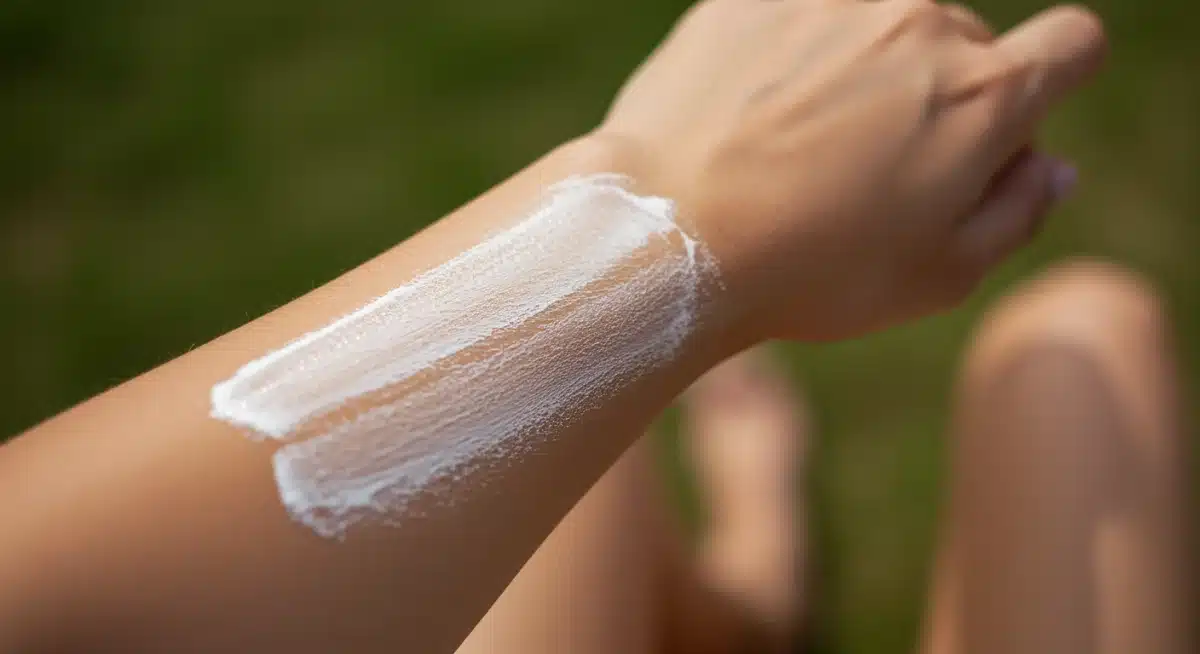
One of the most common mistakes is not applying enough sunscreen. A general guideline is to use approximately one ounce (about a shot glass full) for your entire body. For your face and neck, a nickel-sized dollop is usually sufficient. It’s better to err on the side of applying too much than too little, as insufficient coverage drastically reduces the actual SPF you receive. Think of it as painting a wall; if you apply a thin, uneven coat, the protection will be patchy and compromised.
Ensuring Full Coverage and Absorption
Beyond quantity, ensuring even and thorough coverage is paramount. Sunscreen should be applied to all exposed skin, including often-forgotten areas like the ears, neck, tops of the feet, and hairline. For hard-to-reach spots, consider asking for help or using a spray sunscreen, ensuring you still rub it in for even distribution and to avoid missing patches.
- Rub It In: Whether lotion or spray, always rub the sunscreen into your skin until it’s evenly distributed. This helps ensure a continuous protective layer.
- Apply Before Exposure: Sunscreen needs time to absorb and form a protective barrier. Apply it at least 15-30 minutes before going outdoors.
- Layering: If using multiple products (e.g., moisturizer, then sunscreen, then makeup), always apply sunscreen as the last step in your skincare routine before makeup, allowing each layer to dry.
Reapplication is another critical aspect that often gets overlooked. Even water-resistant sunscreens are not designed to last all day. They lose effectiveness over time due to sweat, water, friction from towels or clothing, and natural degradation from sun exposure. Reapply at least every two hours, and immediately after swimming or excessive sweating, even if the product claims longer water resistance.
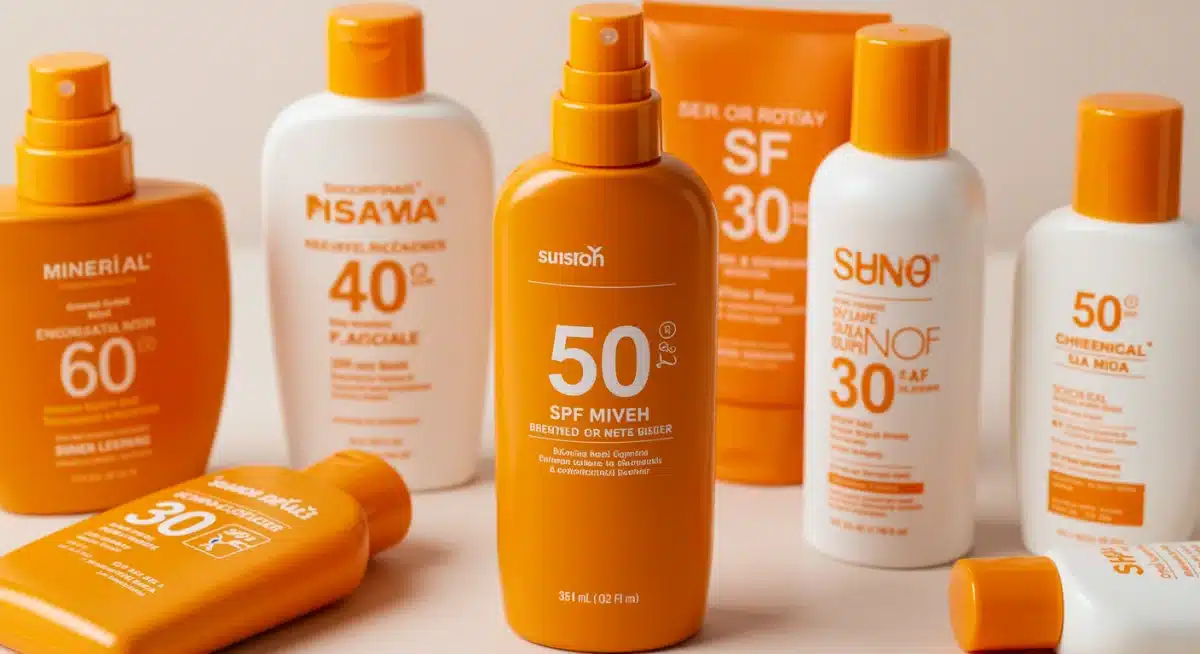
For those using mineral sunscreens, which create a physical barrier, ensuring a visible, even layer is crucial. Chemical sunscreens absorb into the skin, making their presence less obvious, but the same rules of generous and even application apply. By diligently following these application techniques, you can significantly enhance your sunscreen’s performance and provide your skin with the defense it needs against the harsh summer sun.
Recognizing Signs of Inadequate SPF Protection
Even with careful application, it’s essential to be able to recognize when your sunscreen might not be providing sufficient protection. Identifying these signs early can prevent further skin damage and prompt you to take corrective action. For summer 2026, being vigilant about your skin’s response to sun exposure, even while wearing sunscreen, is a crucial part of verifying its effectiveness.
The most obvious sign of inadequate protection is sunburn. Any degree of redness, tenderness, or peeling indicates that your skin has been exposed to more UV radiation than it could handle. This could be due to insufficient SPF, improper application, not reapplying frequently enough, or the sunscreen itself being expired or compromised. Even a mild sunburn is a clear signal that your current sun protection strategy needs adjustment.
Subtler Indicators of Sun Damage
Beyond overt sunburn, there are subtler signs that your skin might not be adequately protected. These can include changes in skin texture, new or worsening hyperpigmentation, or an increase in fine lines and wrinkles over time. While some of these changes are part of natural aging, accelerated or intensified development can point to chronic, unprotected sun exposure.
- Tanning (even with sunscreen): A tan is a sign of skin damage. If you’re tanning significantly while wearing sunscreen, it suggests your protection isn’t strong enough or not applied correctly.
- Freckles and Sunspots: An increase in new freckles or sunspots, particularly in areas of frequent sun exposure, can indicate ongoing UV damage despite sunscreen use.
- Skin Sensitivity/Irritation: Sometimes, inadequate protection can manifest as increased skin sensitivity, dryness, or irritation after sun exposure, even if no visible burn occurs.
Another less direct but important indicator is the product’s expiration date. Sunscreens lose their effectiveness over time as their active ingredients degrade. Using an expired product, or one that has been exposed to extreme temperatures (like being left in a hot car), can significantly reduce its SPF. Always check the expiration date and store your sunscreen in a cool, dry place to maintain its stability and efficacy.
If you notice any of these signs, it’s time to re-evaluate your sunscreen choice and application habits. Consider opting for a higher SPF, ensuring broad-spectrum coverage, reapplying more frequently, and seeking shade during peak sun hours. Your skin is your body’s largest organ, and observing its signals is vital for long-term health and vitality.
The Role of Technology and Innovation in 2026 Sunscreen
The world of sun protection is constantly evolving, with technology and innovation playing a significant role in enhancing product effectiveness and user experience. As we look towards summer 2026, new advancements are making it easier than ever to ensure your sunscreen is working optimally. These innovations range from improved formulations to smart devices that monitor UV exposure, offering consumers in the US more sophisticated tools for sun safety.
One major area of innovation is in sunscreen formulation itself. Manufacturers are developing photostable ingredients that don’t break down as quickly in the sun, ensuring longer-lasting protection. There’s also a growing trend towards hybrid sunscreens that combine the benefits of both mineral and chemical filters, offering broad-spectrum protection with improved aesthetics, such as reduced white cast and lighter textures. These advancements aim to address common complaints that often deter people from consistent sunscreen use.
Emerging Sun Protection Technologies
Beyond the bottle, technological advancements are providing consumers with new ways to monitor and manage their sun exposure. Wearable UV sensors, for example, can track your real-time exposure to UV radiation and alert you when it’s time to reapply sunscreen or seek shade. These devices, often connected to smartphone apps, offer a personalized approach to sun safety, moving beyond generic recommendations.
- Smart UV Sensors: Small, wearable devices that measure UV intensity and track personal exposure, providing prompts for reapplication or shade.
- AI-Powered Skin Analysis: Apps and devices that analyze skin type and specific needs to recommend optimal SPF levels and product types.
- Enhanced Delivery Systems: Innovative packaging and applicators that ensure more uniform and efficient sunscreen application, reducing missed spots.
Another exciting development is in the realm of ingredients that offer protection beyond traditional UV filters. Antioxidants, for instance, are increasingly being incorporated into sunscreens to help neutralize free radicals generated by UV exposure, providing an additional layer of defense against skin damage. This holistic approach to sun protection is becoming a hallmark of advanced skincare in 2026.
These technological strides are not just about making sunscreens more effective but also about making sun protection more accessible, convenient, and tailored to individual needs. By embracing these innovations, consumers can achieve a higher level of confidence in their sun protection strategies, ensuring their sunscreen truly works to safeguard their skin health.
Maintaining Sun Protection Beyond Sunscreen in Summer 2026
While sunscreen is an indispensable tool in your sun protection arsenal, it’s crucial to remember that it’s just one component of a comprehensive sun safety strategy. Relying solely on sunscreen, even the most effective kind, can lead to a false sense of invincibility. For summer 2026, a multi-faceted approach to sun protection, especially in the US, is the most reliable way to safeguard your skin from harmful UV radiation.
Seeking shade is perhaps the simplest yet most effective way to reduce UV exposure. During peak sun hours, typically between 10 AM and 4 PM, the sun’s rays are most intense. Planning outdoor activities outside these hours or finding natural or artificial shade can significantly cut down your exposure. This doesn’t mean avoiding the outdoors entirely, but rather being mindful of when and where you expose yourself to direct sunlight.
Holistic Sun Safety Practices
Protective clothing plays a vital role in blocking UV rays, often more effectively and consistently than sunscreen alone. Look for clothing with a Ultraviolet Protection Factor (UPF) label, which indicates how much UV radiation a fabric blocks. A UPF 30 rating, for instance, blocks 97% of UV rays. Long-sleeved shirts, pants, and wide-brimmed hats offer excellent physical barriers against the sun.
- Wear Protective Clothing: Opt for long-sleeved shirts, pants, and wide-brimmed hats made from tightly woven fabrics. Look for UPF-rated clothing for superior protection.
- Use Sunglasses: Choose sunglasses that block 99-100% of both UVA and UVB rays to protect your eyes and the delicate skin around them from sun damage.
- Avoid Peak Sun Hours: Limit direct sun exposure between 10 AM and 4 PM when UV radiation is strongest. Plan outdoor activities for early morning or late afternoon.
Diet and hydration also contribute to overall skin health and resilience, though they are not a substitute for physical sun protection. A diet rich in antioxidants from fruits and vegetables can help the body combat oxidative stress caused by UV exposure. Staying well-hydrated supports the skin’s barrier function, making it more robust against environmental aggressors.
By integrating these practices with consistent and correct sunscreen use, you create a robust defense against the sun. This holistic approach not only helps verify your SPF protection but also ensures a more comprehensive and sustainable strategy for maintaining healthy, radiant skin throughout summer 2026 and beyond. Remember, ultimate sun protection is a lifestyle choice, not just a product application.
| Key Aspect | Brief Description |
|---|---|
| Understanding SPF | SPF measures UVB protection; ‘broad-spectrum’ adds UVA. Crucial for comprehensive defense. |
| Proper Application | Apply generously (1 oz for body), evenly, 15-30 mins before sun, reapply every 2 hours or after water/sweat. |
| Recognizing Issues | Sunburn, tanning, new sunspots, or skin irritation indicate inadequate protection. Check expiration dates. |
| Holistic Protection | Combine sunscreen with shade, protective clothing (UPF), and sunglasses for optimal sun safety. |
Frequently Asked Questions About Sunscreen Efficacy
Sunscreen should be reapplied at least every two hours, regardless of the SPF number. If you’re swimming, sweating heavily, or towel drying, reapply more frequently, ideally every 40 to 80 minutes, even if the product is labeled as water-resistant. Consistent reapplication is more critical than a very high initial SPF.
No, expired sunscreen may not offer adequate protection. The active ingredients can degrade over time, reducing their effectiveness. Always check the expiration date on your sunscreen bottle. If there’s no date, assume a shelf life of about three years from purchase. It’s best to replace expired products to ensure full efficacy.
While higher SPF offers marginally more protection (e.g., SPF 30 blocks 97% of UVB, SPF 50 blocks 98%), the difference isn’t proportional to the number. Very high SPFs can also give a false sense of security, leading to less frequent reapplication. SPF 30 broad-spectrum, applied correctly and frequently, is generally sufficient for most people.
Yes, it is possible to tan even while wearing sunscreen. A tan is your skin’s response to UV damage. While sunscreen reduces the amount of UV radiation reaching your skin, no sunscreen blocks 100%. If you tan while using sunscreen, it indicates some UV exposure, meaning your protection might not be optimal or needs reevaluation.
To confirm your sunscreen is broad-spectrum, look for the ‘Broad Spectrum’ label prominently displayed on the product packaging. This designation indicates that the sunscreen protects against both UVA and UVB rays, offering more comprehensive protection against sunburn, premature aging, and skin cancer. Always prioritize broad-spectrum formulas.
Conclusion
Ensuring your sunscreen is working effectively this summer in the US is a multifaceted endeavor that goes beyond simply applying a product. It involves a deep understanding of SPF, careful selection of broad-spectrum formulas, meticulous application techniques, and an awareness of when and how to reapply. Furthermore, recognizing the subtle signs of inadequate protection and integrating technological advancements in sun care can significantly bolster your defenses. By adopting a holistic approach that combines sunscreen with other sun-smart behaviors like seeking shade and wearing protective clothing, you empower yourself to enjoy the summer of 2026 safely and maintain optimal skin health for years to come. Your skin deserves the best protection, and being informed is the first step towards providing it.